Well water treatment in Tucson only works when it is matched to how much water your well actually delivers, and that is why flow rate is the number you need before you buy anything. If you are planning a well flow rate treatment system Tucson project, the flow rate tells you how many gallons per minute your well can produce, which determines what kind of treatment equipment will keep up with your household. Skip this step and you risk installing a system that starves for water, delivers poor pressure, or fails to treat properly during peak demand. This guide walks you through finding your well flow rate treatment system Tucson planning depends on, so your treatment is sized right the first time.
Why Flow Rate Matters So Much for Well Treatment
Treatment equipment needs a certain amount of water moving through it to work correctly. Softeners, filters, and other systems are rated for specific flow ranges. If your well cannot supply enough gallons per minute, the equipment cannot perform as designed, and you end up with weak pressure, hardness or contaminants slipping through, or backwash cycles that never fully clean the media.
On the other hand, knowing your true flow rate lets a professional choose equipment that fits. That is the entire purpose of measuring flow before you buy. A well flow rate treatment system Tucson homeowners install should be built around real numbers, not guesses, which is why this measurement comes first. It also pairs naturally with testing your water quality, since well water treatment in Tucson depends on knowing both what is in your water and how fast it flows.
Flow Rate Versus Well Yield: Know the Difference
People often confuse two related terms. Well yield is how much water the well itself can sustainably produce from the aquifer over time. Flow rate is how much water actually reaches your fixtures, which is affected by the well yield, the pump, the pressure tank, and the plumbing.
For treatment sizing, the flow rate at your point of use is what matters most, but understanding your well yield helps too, especially for recovery during heavy use. A well that produces plenty of water but has an undersized pump may still deliver disappointing flow. A complete picture of both numbers gives you the foundation for a well flow rate treatment system Tucson design that performs.
How to Measure Your Well Flow Rate
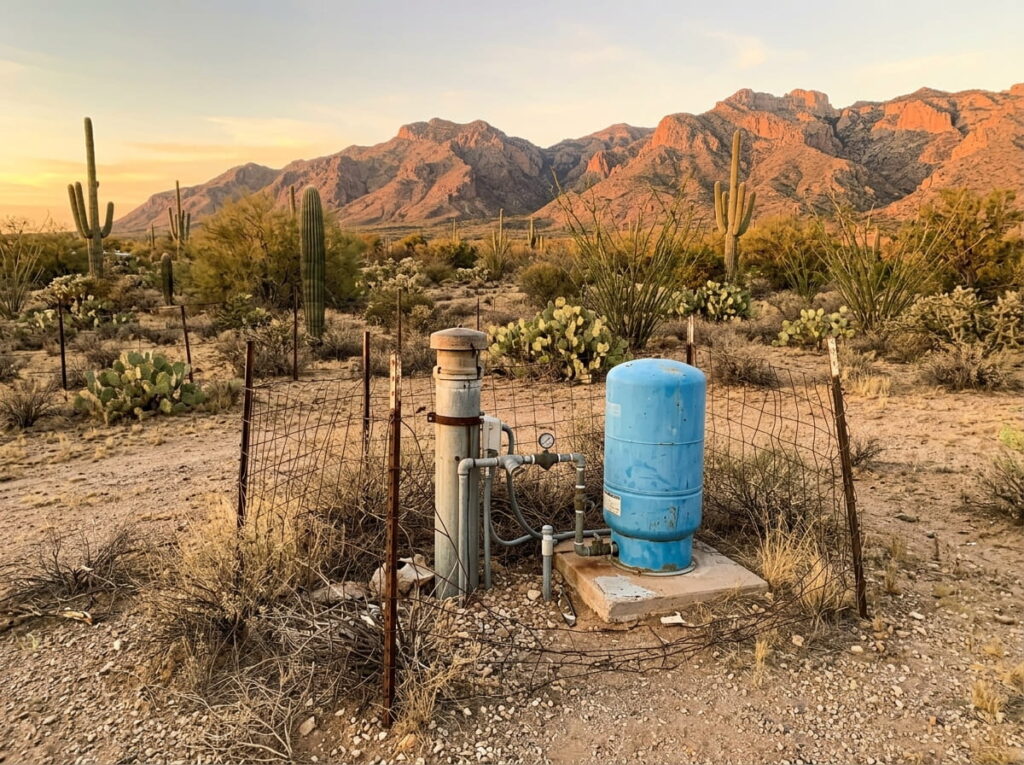
There are a few practical ways to estimate flow rate. A common do it yourself method is the bucket test. Using a container of known size, such as a five gallon bucket, you open an outdoor spigot fully and time how long it takes to fill the bucket. Divide the gallons by the time in minutes and you get a rough gallons per minute figure. Running the test at a hose bib closest to the pressure tank gives the cleanest reading.
For a more accurate result, professionals use flow meters and can run tests that account for how the well recovers during sustained draw. A single quick reading can be misleading if the well draws down under continuous use, which matters for treatment that runs during long showers or laundry cycles. This is where a professional flow test is worth it, because it captures how your well behaves during real demand rather than for a single bucket.
What Affects Your Well’s Flow Rate
Several factors influence the number you measure. The well pump’s capacity sets an upper limit on how much water can be delivered. The pressure tank size and settings affect how flow feels at the tap. The depth of the water table, the condition of the well, and any mineral or sediment buildup in the system all play a role.
In older wells, reduced flow can signal a problem such as a failing pump, a clogged screen, or declining water level. If your flow has dropped over time, that is worth investigating before you add treatment, since installing equipment on a struggling well only compounds the problem. Understanding these factors helps you interpret your reading and plan a well flow rate treatment system Tucson setup that will keep working for years.
Matching Treatment Equipment to Your Flow Rate
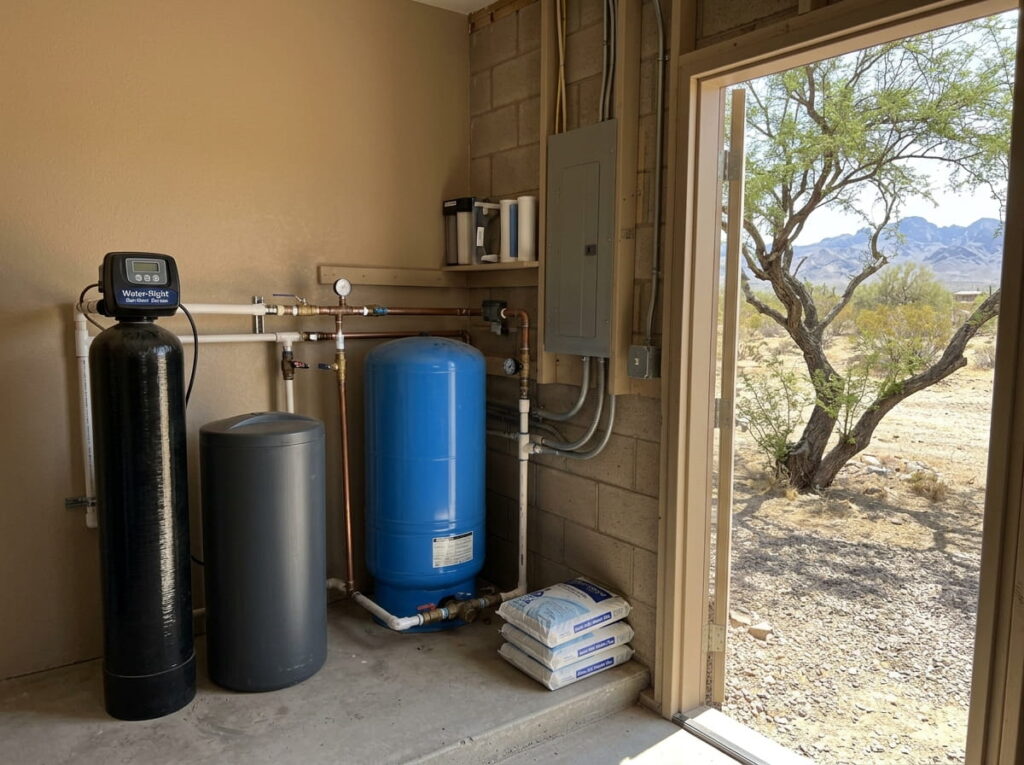
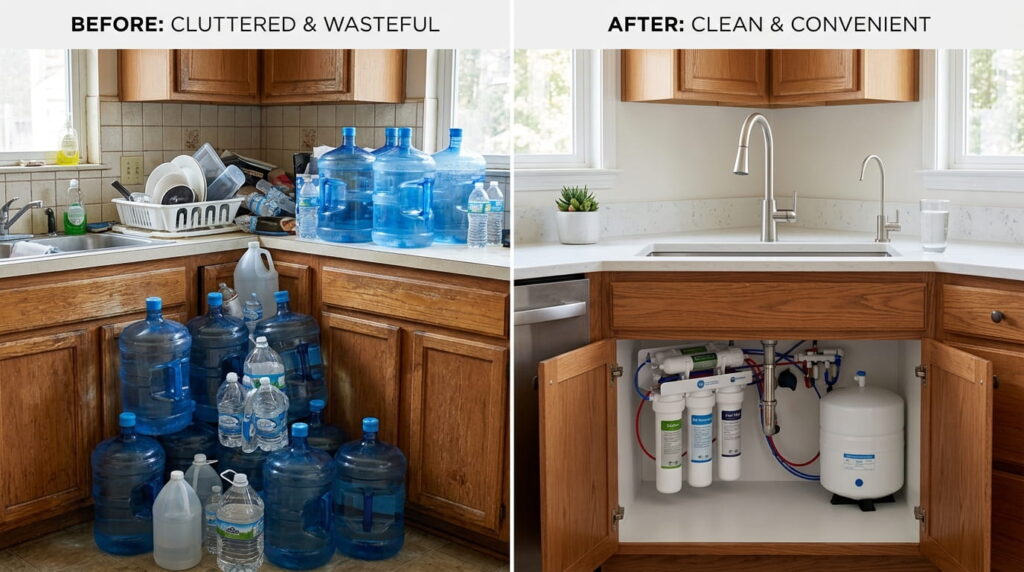
Once you know your flow rate, a professional can size the treatment system to it. Softeners have a service flow rating and a backwash requirement, and both must fit within what your well can deliver. Filters and iron removal systems also have flow requirements, especially for the backwash cycle that cleans the media. Reverse osmosis units for drinking water are less flow dependent since they treat smaller volumes, but the whole system still needs to be balanced.
If your flow is on the lower side, solutions exist, such as adding storage and a booster pump so treatment equipment receives steady flow even when the well itself is modest. The point is that treatment choices flow directly from your measured numbers. If your water carries iron or a rotten egg smell, that also shapes the design, so it helps to understand why Tucson well water turns orange and why well water can smell like rotten eggs.
Testing Water Quality Alongside Flow
Flow rate answers how much water you have, but you also need to know what is in it. Well water in the Tucson region can contain hardness, iron, manganese, sediment, sulfur, bacteria, and other contaminants that vary well by well. A treatment system has to address both flow and quality to be effective.
That is why professionals test water quality at the same time they assess flow. The two together define the system you need. Choosing equipment based on quality without accounting for flow, or the reverse, leads to disappointing results. A comprehensive assessment is the reliable path to a system that fits your well completely.
When to Call a Professional
If your flow test gives inconsistent numbers, if your flow has declined, if you are on an older well, or if you simply want confidence before investing in treatment, a professional evaluation is the smart move. A pro can measure flow accurately under real demand, assess your pump and pressure tank, test your water quality, and recommend a system sized to everything at once.
This is especially important for well owners, because unlike city water, your well is unique and there is no municipal treatment behind it. Getting the flow rate right protects your investment and ensures your family has reliable, treated water. A professional flow test is the foundation of that confidence.
Frequently Asked Questions
Why do I need to know my flow rate before installing well treatment?
Treatment equipment is rated for specific flow ranges. If your well cannot supply enough gallons per minute, the system will underperform, with weak pressure, incomplete treatment, or backwash cycles that fail to clean the media. Knowing your flow rate lets a professional size equipment that actually fits your well.
How do I measure my well’s flow rate myself?
The simplest method is a bucket test. Fully open an outdoor spigot near the pressure tank, time how long it takes to fill a container of known size, and divide gallons by minutes to get gallons per minute. It gives a rough estimate, though a professional test is more accurate under sustained demand.
What is the difference between flow rate and well yield?
Well yield is how much water the aquifer can sustainably supply, while flow rate is how much water actually reaches your fixtures, influenced by the pump, pressure tank, and plumbing. For sizing treatment, flow rate at the point of use matters most, but yield affects recovery during heavy use.
What if my well’s flow rate is too low for the treatment I want?
Solutions exist, such as adding a storage tank and booster pump so treatment equipment receives steady flow even from a modest well. A professional can design a balanced system that works within your flow, rather than forcing equipment onto a well that cannot support it.
Can flow rate change over time?
Yes. Flow can decline due to a failing pump, a clogged well screen, sediment buildup, or a dropping water table. If your flow has decreased, it is worth investigating the cause before adding treatment, since equipment cannot fix an underlying well problem.
Should I test water quality at the same time as flow rate?
Definitely. Flow tells you how much water you have, while a quality test tells you what is in it, such as hardness, iron, sulfur, or bacteria. A good treatment system addresses both, so testing them together gives you the complete picture needed to size the system correctly.
Is a bucket test accurate enough for sizing a system?
It is a useful starting estimate, but it may not capture how your well behaves during sustained demand, which is exactly when treatment runs. A professional flow test measures performance under realistic conditions, giving you a more reliable basis for sizing.
Why is flow rate especially important for well owners?
Unlike city water, a private well has no municipal system behind it, and every well is unique. Getting the flow rate right ensures your treatment performs reliably and your family always has properly treated water, which makes accurate measurement essential.
Get a Professional Flow Test
Before you invest in well treatment, make sure your system is built around your well’s real numbers. Desert Water Services can measure your flow rate under realistic demand, test your water quality, and design a system that fits both. If you are planning a well flow rate treatment system Tucson project, start with the measurement that makes everything else work. Contact us for a professional flow test and well water treatment in Tucson tailored to your property.