If you rely on a non-chlorinated well water system, you may have noticed an unpleasant rotten egg smell coming from your tap water. This odor can make drinking, cooking, bathing, and even washing clothes uncomfortable. While the smell is unpleasant, it usually points to a common issue that can often be fixed with the right water treatment solution. Understanding what causes the odor and how to remove it will help you maintain clean, safe, and fresh-smelling water for your home.
Many homeowners who use private wells experience this issue at some point. The good news is that the smell is often treatable without replacing your entire well system. In this guide, we’ll explain why well water smells like sulfur, what causes hydrogen sulfide well water, and the best rotten egg smell water fix options available.
What Causes the Rotten Egg Smell in Well Water?
The rotten egg odor is usually caused by hydrogen sulfide gas dissolved in your well water. Even a small amount of this gas can produce a strong sulfur smell.
Hydrogen sulfide naturally forms when sulfur bacteria break down organic matter underground. These bacteria thrive in oxygen-poor environments such as deep wells, plumbing systems, and water heaters.
If you have a non-chlorinated well water system, the absence of chlorine allows naturally occurring sulfur bacteria to survive, making the odor more noticeable over time.
What Is Hydrogen Sulfide Well Water?
Hydrogen sulfide well water refers to groundwater containing dissolved hydrogen sulfide gas. The concentration may vary from one well to another.
Low levels usually create only an unpleasant smell, while higher levels may also affect the taste of your water and cause staining or corrosion in plumbing fixtures.
Although hydrogen sulfide is generally more of an aesthetic issue than a health concern at common household concentrations, testing is always recommended to determine the exact cause before selecting a treatment system.
Signs Your Well Water Has Sulfur Problems
Several signs indicate sulfur contamination in your well water:
- Strong rotten egg smell from faucets
- Bad taste in drinking water
- Odor becomes stronger with hot water
- Black stains on plumbing fixtures
- Slime buildup inside pipes
- Reduced water quality over time
- Metallic taste combined with sulfur smell
Recognizing these symptoms early helps prevent long-term plumbing problems.
Why Does the Smell Get Worse with Hot Water?
Many homeowners notice that hot water smells much stronger than cold water.
This happens because warm temperatures release hydrogen sulfide gas more quickly into the air. In addition, certain water heaters contain magnesium anode rods that react with sulfur compounds, producing even more hydrogen sulfide.
If only the hot water smells, your water heater may be contributing to the problem.
Common Reasons Well Water Smells Like Sulfur
There are several possible causes behind the sulfur odor.
Naturally Occurring Sulfur
Groundwater flowing through sulfur-rich rock formations can absorb hydrogen sulfide gas before reaching your well.
Sulfur Bacteria
Sulfur bacteria feed on naturally occurring sulfur compounds and produce hydrogen sulfide as a byproduct.
Iron Bacteria
Iron bacteria sometimes exist alongside sulfur bacteria, creating unpleasant odors and slime buildup.
Water Heater Reactions
Chemical reactions inside water heaters may increase hydrogen sulfide production.
Stagnant Water
Water that remains unused inside plumbing lines may develop stronger odors due to bacterial activity.
Is Well Water with a Rotten Egg Smell Safe?
In most residential wells, hydrogen sulfide is not considered highly dangerous at low concentrations. However, it can affect water quality and daily comfort.
You should still have your well professionally tested because similar odors may occasionally indicate other contaminants.
A certified water test can identify:
- Hydrogen sulfide concentration
- Iron levels
- Manganese levels
- Sulfur bacteria
- Coliform bacteria
- pH balance
- Water hardness
Testing ensures you choose the right treatment instead of guessing.
How a Non-Chlorinated Well Water System Handles Sulfur Problems
Many homeowners prefer a non-chlorinated well water system because it removes contaminants without continuously adding chlorine to household water.
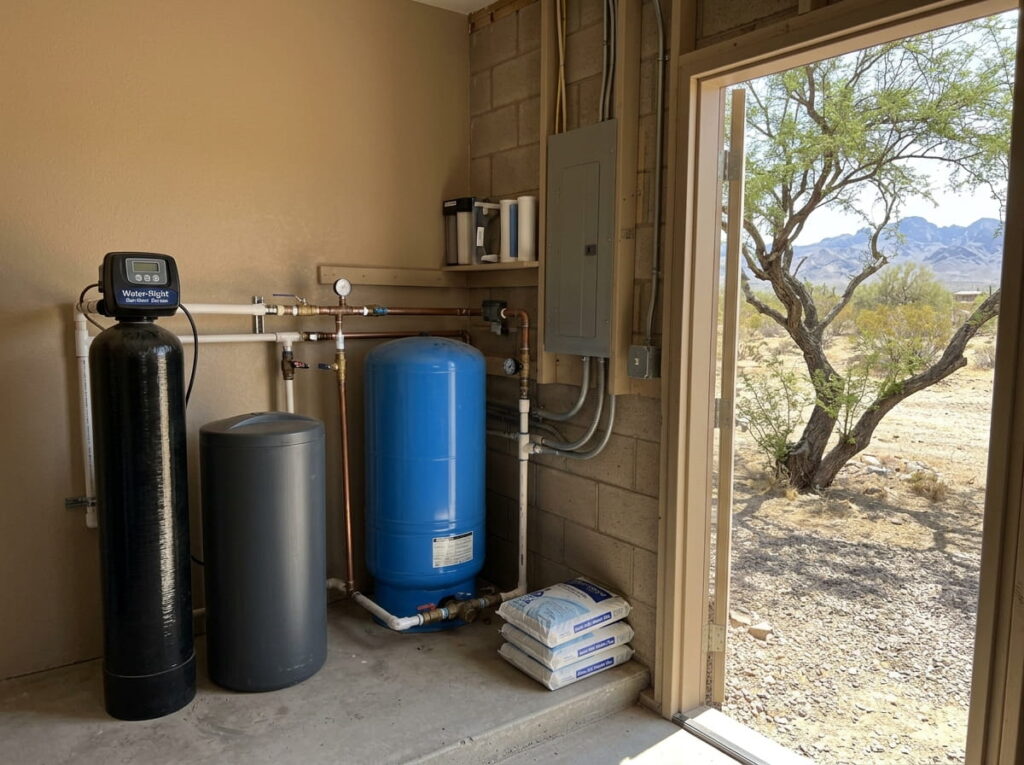
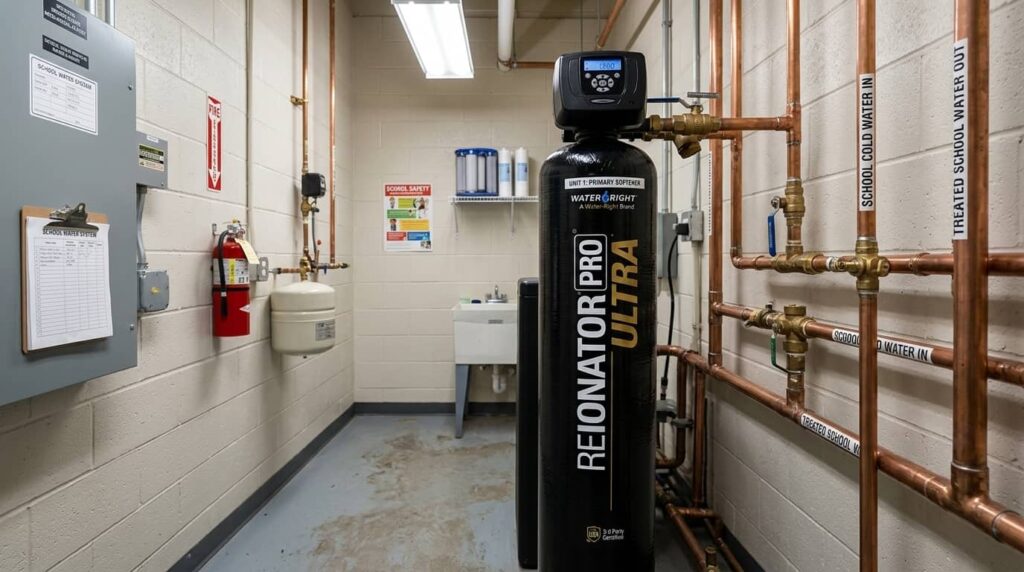
These systems often combine multiple treatment technologies depending on the water analysis.
Common components include:
- Air injection oxidation
- Catalytic carbon filtration
- Manganese dioxide media
- Sediment filtration
- Automatic backwashing filters
This approach eliminates odors while maintaining naturally fresh water.
Best Rotten Egg Smell Water Fix Options
Choosing the right rotten egg smell water fix depends on your water test results.
Air Injection Oxidation
Air injection systems introduce oxygen into the water, converting hydrogen sulfide into particles that are filtered out.
This is one of the most popular solutions for sulfur odors.
Catalytic Carbon Filters
Catalytic carbon effectively removes sulfur odors and improves water taste.
These filters are especially useful when hydrogen sulfide levels are relatively low.
Manganese Dioxide Filters
These specialized filters oxidize sulfur, iron, and manganese simultaneously.
They’re ideal for wells experiencing multiple water quality issues.
Aeration Systems
Aeration releases dissolved hydrogen sulfide gas before the water enters your home’s plumbing.
Water Heater Maintenance
Replacing the magnesium anode rod with an aluminum-zinc rod may reduce sulfur odors in hot water.
Why Water Testing Comes First
Many homeowners buy filtration systems before understanding what’s actually in their water.
Professional testing identifies:
- Exact sulfur concentration
- Presence of bacteria
- Iron contamination
- Manganese content
- Water hardness
- pH level
This information allows experts to recommend the most effective non-chlorinated well water system for your home.
Can Sulfur Damage Your Plumbing?
Although hydrogen sulfide itself is not usually destructive at low household levels, sulfur bacteria can create problems over time.
Potential issues include:
- Pipe corrosion
- Reduced water flow
- Slime buildup
- Clogged filters
- Damaged plumbing fixtures
- Shortened appliance lifespan
Treating sulfur early helps avoid costly plumbing repairs.
Why DIY Solutions Often Don’t Last
Some homeowners try temporary fixes such as bleach treatments or pouring cleaning products into the well.
While these methods may reduce odors briefly, they rarely solve the underlying problem.
Permanent treatment focuses on removing the source rather than masking the smell.
That’s why installing the correct non-chlorinated well water system is often a better long-term investment.
Benefits of Installing a Non-Chlorinated Well Water System
Homeowners appreciate these systems for several reasons.
Benefits include:
- Eliminates sulfur odors
- Improves drinking water taste
- Removes hydrogen sulfide
- Reduces iron and manganese
- Protects plumbing
- Low maintenance
- No continuous chlorine taste
- Cleaner laundry
- Better bathing experience
- Improved overall water quality
These advantages make them a popular choice for private well owners.
Preventing Sulfur Odors from Returning
Routine maintenance plays an important role in keeping your well water fresh.
Helpful maintenance practices include:
- Schedule annual well inspections.
- Test your water every year.
- Replace filter media as recommended.
- Maintain water treatment equipment.
- Flush plumbing after long periods without use.
- Service water heaters regularly.
- Monitor changes in odor or taste.
Preventive care extends the life of both your well and treatment system.
Choosing the Right Water Treatment Professional
Not every sulfur problem requires the same solution.
A qualified water treatment specialist will:
- Test your well water
- Identify contaminants
- Recommend the correct filtration system
- Install equipment properly
- Provide maintenance support
Working with experienced professionals ensures your investment delivers long-lasting results.
Final Thoughts
A rotten egg smell in well water is one of the most common issues homeowners face. Fortunately, understanding why well water smells like sulfur makes finding the right solution much easier. Whether the problem comes from hydrogen sulfide well water, sulfur bacteria, or your water heater, professional testing is always the first step.
For many homes, a properly designed non-chlorinated well water system offers an effective, long-term solution without adding continuous chlorine to your water supply. Combined with regular maintenance and the right filtration technology, you can eliminate unpleasant odors, improve water quality, protect your plumbing, and enjoy clean, fresh-smelling water every day.
Frequently Asked Questions
1. Why does my well water smell like rotten eggs?
The odor is usually caused by hydrogen sulfide gas or sulfur bacteria naturally present in groundwater.
2. Is hydrogen sulfide well water dangerous?
Low household levels are generally more of a nuisance than a health risk, but professional water testing is recommended.
3. What is the best rotten egg smell water fix?
The best solution depends on your water test but often includes air injection, catalytic carbon filtration, or a non-chlorinated well water system.
4. Why does only my hot water smell like sulfur?
Your water heater’s magnesium anode rod may be reacting with sulfur compounds and producing hydrogen sulfide gas.
5. Can sulfur bacteria damage my plumbing?
Yes. Sulfur bacteria can create slime buildup that contributes to corrosion and clogged plumbing over time.
6. How often should well water be tested?
Private well owners should have their water professionally tested at least once every year.
7. Does a non-chlorinated well water system remove sulfur odors?
Yes. Many non-chlorinated systems effectively remove hydrogen sulfide using oxidation and advanced filtration technologies.
8. Can sulfur affect the taste of drinking water?
Yes. Hydrogen sulfide often gives water a bitter or unpleasant taste along with the rotten egg smell.
9. Will replacing my water heater solve the odor problem?
Only if the odor is caused by chemical reactions inside the heater. A water test will determine whether the source is the well or the heater.
10. When should I contact a water treatment professional?
If sulfur odors persist, water quality changes, or plumbing problems develop, schedule a professional water test and treatment consultation.