Water testing in Tucson is where every smart water treatment decision begins, and for most homeowners the first tool they reach for is a simple test strip. This water hardness test strips guide is written for Tucson residents who want to understand what those little color changing strips actually tell you, how to use them correctly, and where their limits are. Hard water is a defining feature of life in the desert Southwest, so knowing your real hardness level helps you choose the right softener, program it correctly, and spot problems before they cost you money. By the end of this water hardness test strips guide, you will know how to read a strip like a pro and when to reach for a professional test instead.
What Water Hardness Actually Means
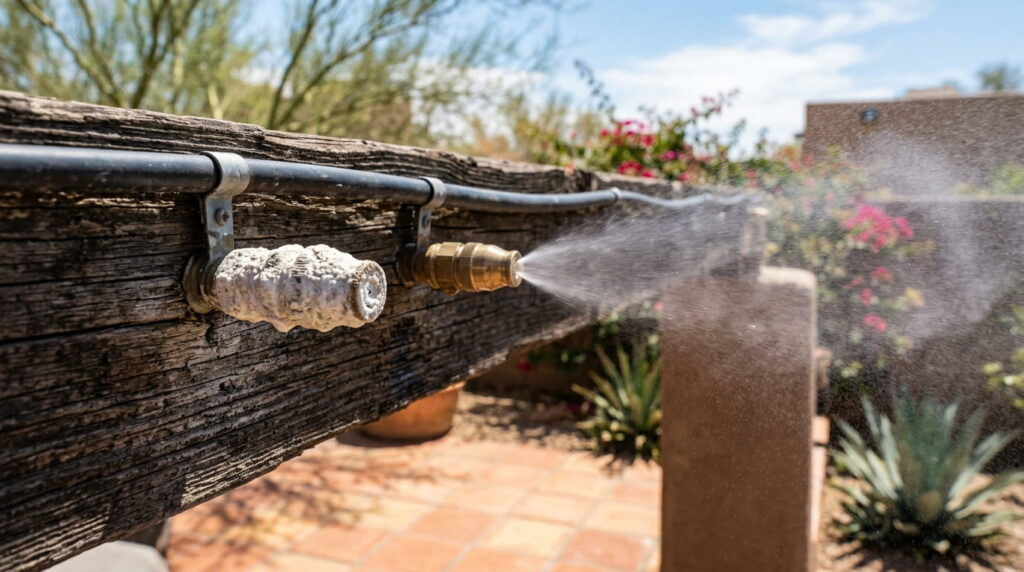
Water hardness is a measure of dissolved minerals, mainly calcium and magnesium, that your water picks up as it moves through rock and soil. In Tucson, groundwater and Colorado River supply both tend to carry a lot of these minerals, which is why so many homes deal with scale on fixtures, spots on glassware, and dry skin after showers.
Hardness is usually reported in grains per gallon, often shortened to gpg, or sometimes in parts per million. The higher the number, the harder the water. Understanding this scale is the whole point of this water hardness test strips guide, because a test strip is simply a fast way to place your water somewhere on that scale.
How Water Hardness Test Strips Work
A hardness test strip is coated with a reagent that reacts to calcium and magnesium. When you dip the strip in water, the reactive pad changes color based on how much mineral is present. You then match that color to a chart on the packaging, which converts the color into a hardness range.
The chemistry is straightforward, which is exactly why strips are popular. They are inexpensive, take seconds to use, and give you a ballpark number without any special equipment. For a quick check, a good water hardness test strips guide will tell you they are genuinely useful, as long as you understand you are getting a range rather than a laboratory grade measurement.
Step by Step: How to Use a Test Strip Correctly
Getting a reliable reading takes a little care. First, run your cold tap for a few seconds so you are sampling fresh water from the line rather than water that has been sitting in the faucet. Collect the water in a clean container, since soap residue in a cup can throw off the result.
Dip the strip into the water for the exact time the instructions specify, usually just a second or two. Do not swirl it unless told to. Remove the strip and hold it level so the reagent does not run. Wait the recommended number of seconds, then compare the pad to the color chart in good, natural light. Reading the strip under yellow indoor bulbs is one of the most common mistakes, because it distorts the colors. Follow those steps and your strip becomes a dependable first look at your water.
Reading Your Results in the Tucson Context
Once you have a number, it helps to know what it means locally. Water on the softer end still may not need much treatment, while water in the hard or very hard range is common across the Tucson area and usually benefits from a softener. If your strip lands you in the higher ranges, that lines up with what many Tucson homeowners experience, from crusty faucet buildup to soap that will not lather.
A single reading is a snapshot. Your water can shift with the seasons, especially where supply blends change through the year. That is why this water hardness test strips guide recommends testing more than once and keeping a simple log. If you see white buildup on your faucets or white film on your dishes, your strip results are simply confirming what your home is already telling you.
The Limits of Test Strips
Here is the honest part that every good water hardness test strips guide should include. Strips are excellent for a quick estimate, but they have real limitations. They give you a range, not a precise number, and human color matching introduces error. They also measure only hardness, so they tell you nothing about iron, chlorine, pH, dissolved solids, bacteria, or other contaminants that matter for your health and your equipment.
Strips can also degrade if the bottle is left open, exposed to humidity, or stored past its expiration date, which quietly skews results. So while a strip is a fine starting point, it is not the tool to rely on when you are sizing a softener, diagnosing a stubborn problem, or making a major purchase. For those decisions, you want a professional test.
When to Move Beyond Strips to Professional Water Testing
If your strip shows hard or very hard water, if you are on a private well, if you notice orange staining, odors, or unexplained plumbing problems, or if you are about to invest in a treatment system, it is time for professional water testing in Tucson. A professional test measures hardness accurately and screens for the other factors a strip cannot see, giving you a complete picture.
Accurate numbers matter because they drive real decisions. Programming a softener to the wrong hardness wastes salt and can let hardness slip through. A professional reading lets you set your system precisely. To understand what a full evaluation involves, see the free water test process at Desert Water, and if you are on a well, learn more about Tucson water contaminants that a strip will never detect.
Using Test Strips as an Ongoing Tool
Even after you install a softener, strips remain handy. Testing your treated water occasionally lets you confirm the softener is doing its job. If a strip suddenly shows hardness in water that should be soft, that is an early warning that your system needs attention, perhaps a salt bridge, a resin issue, or a setting that drifted. Catching that early can save you from scale damage.
This is where a water hardness test strips guide becomes a maintenance habit rather than a one time exercise. A quick monthly dip gives you peace of mind and flags trouble before your appliances pay the price.
Choosing and Storing Quality Strips
Not all strips are equal. Look for strips with a clear color chart, tight range increments, and a reasonable shelf life. Store them sealed, away from heat and humidity, and note the expiration date. Tucson garages get hot, and heat shortens a strip’s usable life, so keep them somewhere cool and dry. Quality strips, stored well and used correctly, give you the most reliable results a strip can offer.
Frequently Asked Questions
Are water hardness test strips accurate enough to rely on?
They are accurate enough for a general estimate and for spotting whether you have soft, hard, or very hard water. They are not precise enough for sizing or programming a softener or for detecting other contaminants. Use them as a first look, then confirm important decisions with a professional test.
How often should I test my water hardness in Tucson?
Testing a few times a year is reasonable for most homes, since local supply blends can change with the seasons. If you have a softener, a quick monthly check on your treated water helps confirm the system is working and catches problems early.
Why did my test strip and a professional test give different numbers?
Strips give a color matched range, so some difference is normal. Old or improperly stored strips, poor lighting, or soap residue in the sample can widen the gap. A professional test uses more precise methods, which is why it is the better basis for major decisions.
Can a test strip tell me if my water is safe to drink?
No. Hardness strips measure only calcium and magnesium. They do not detect bacteria, nitrates, metals, chlorine, or other health related contaminants. For safety questions, especially on well water, you need comprehensive professional testing.
What hardness level means I need a water softener?
There is no single cutoff, but water in the hard or very hard range, which is common in Tucson, usually benefits from softening. Signs like scale, spotting, and poor lathering often matter as much as the number. A professional can help you decide based on your full water profile.
Do test strips expire?
Yes. The reactive chemistry degrades over time, and heat and humidity speed that up. Always check the expiration date and store strips sealed in a cool, dry place. Expired strips can give misleading results.
Can I use test strips to check my softener is working?
Absolutely, and it is one of their best uses. Testing your softened water occasionally should show low hardness. If a strip shows hardness where it should be soft, that is a sign your system needs service.
Is professional water testing in Tucson worth it if I already use strips?
Yes, especially before buying equipment or if you suspect a problem. Strips give you a quick screen, while professional testing gives you accurate hardness plus a check for contaminants strips cannot see. The two work well together.
Get an Accurate Professional Test
Test strips are a great way to start understanding your water, but when you are ready to make real decisions, an accurate professional reading is the tool that pays off. If your strips point to hard water, or you simply want the full picture, schedule professional water testing in Tucson with Desert Water Services. You will get precise hardness numbers, a screen for the contaminants that matter, and clear guidance on what your home actually needs.