A water treatment system is a real investment. So it makes sense to ask how long it will keep working before you need repairs or a replacement.
The honest answer is that it depends. The type of system, the quality of the equipment, and how well you care for it all play a role. In Arizona, there is one more factor that most national guides ignore: the desert itself.
Extreme heat, very hard water, and chlorinated city supplies all put extra stress on equipment. This guide breaks down the typical water treatment system lifespan Arizona homeowners can expect, what shortens it, and how smart care can add years of reliable service.
Why Arizona Is Tough on Water Treatment Equipment
Before we look at numbers, it helps to understand what your system is up against. These conditions are the biggest threats to the water treatment system lifespan Arizona homeowners get from their equipment.
Extreme Summer Heat
Many Tucson homes keep their softener or filter tanks in the garage or on an outside wall. In summer, those spaces can easily top 100°F. Heat speeds up the breakdown of plastic parts, O-rings, and seals. It can also encourage bacterial growth inside filters that sit too long between changes.
Very Hard Water
Hardness in the Tucson area often runs well above the national average. That means a softener regenerates more often, and every component works harder. Scale can also build up inside valves, lines, and faucets when systems are not kept in top shape.
Chlorine in City Water
Tucson Water disinfects its supply with chlorine. The utility’s 2024 report lists an average residual of about 1.0 ppm. That is safe to drink, but chlorine slowly oxidizes softener resin over time. Without a carbon pre-filter, resin can wear out years earlier than it should.
Monsoon Power Surges
Summer storms bring lightning and power outages. Electronic control valves, UV systems, and timers can be damaged by surges or lose their settings after a blackout.
Typical Water Treatment System Lifespan Arizona Homes Can Expect
The ranges below assume quality equipment and regular care. Neglected systems often fall short of the low end.
| System or Component | Typical Lifespan | Notes for Arizona |
|---|---|---|
| Water softener (overall) | 10–15 years | Heat and heavy use can shorten this |
| Softener resin | 8–15 years | Chlorine degrades resin faster |
| Control valve | 10–15 years | Protect from surges and sun |
| Reverse osmosis system | 10–15 years | Housing and faucet last longest |
| RO membrane | 2–5 years | Hard water and high TDS shorten life |
| RO pre- and post-filters | 6–12 months | Change on schedule, not by taste |
| Whole-house carbon media | 3–5 years | Depends on water use |
| UV lamp | About 12 months | Replace yearly even if still lit |
| Salt-free conditioner media | 3–6 years | Varies by brand and flow |
For a broader look at national averages, see our guide on how long home water treatment systems last.
Water Softener Lifespan in the Desert
A well-built softener is one of the longest-lasting systems you can own. Many run 15 years or more. However, a few local factors can cut that short.
Signs your softener is aging:
- Scale is returning to faucets and showerheads
- Salt use has suddenly dropped or spiked
- Water feels “hard” again after showering
- The unit runs constantly or will not regenerate
- You find resin beads in your drains or aerators
If you notice any of these, our article on 7 signs your water softener needs repair can help you decide whether a repair or replacement makes more sense.
Reverse Osmosis Lifespan in Arizona
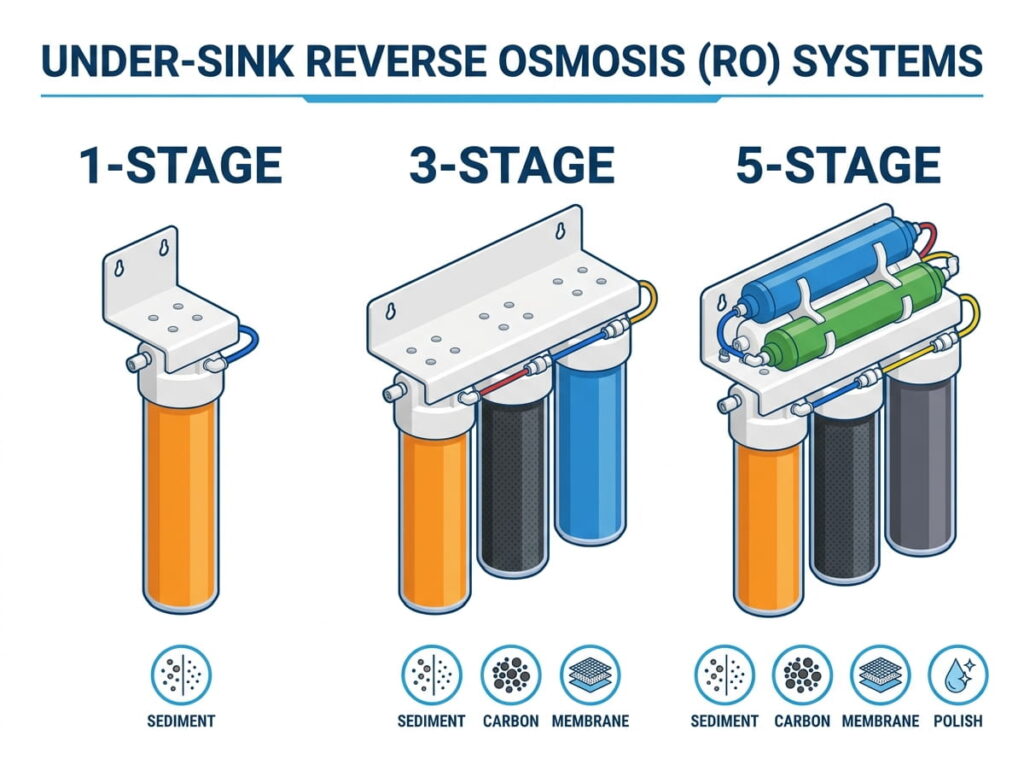
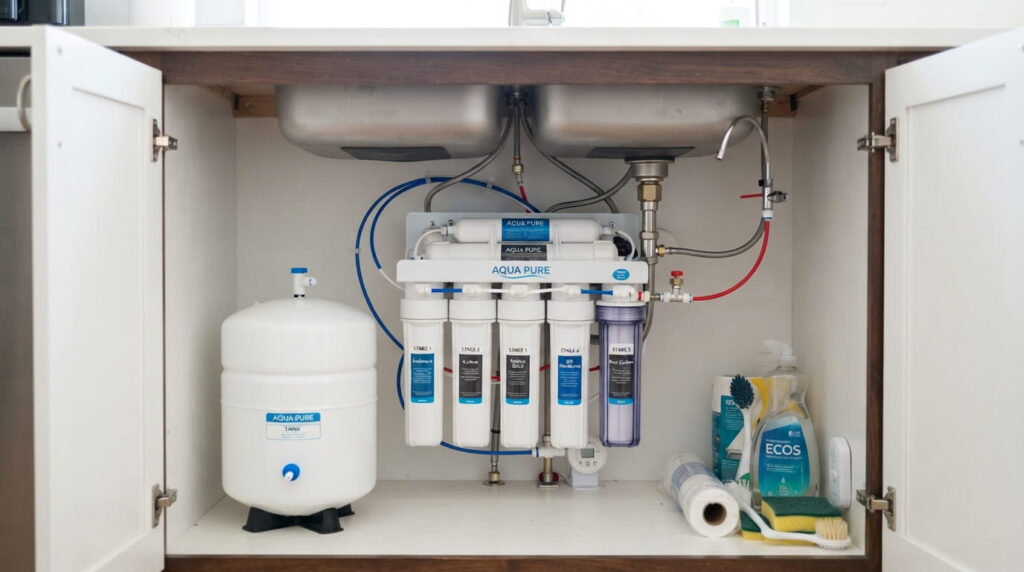
An RO system itself can last a decade or longer. The parts inside it need more frequent attention.
Pre-filters protect the membrane from chlorine and sediment. If they clog or wear out, the membrane takes the damage. In high-TDS areas like Tucson, membranes often need replacement closer to the two- or three-year mark.
Wondering how often yours needs attention? Read how many months an RO system should be serviced.
Whole-House Filters and Conditioners
Whole-house carbon tanks reduce chlorine, taste, and odor. The carbon slowly gets used up, usually over three to five years. Once it is exhausted, chlorine passes straight through, which can also harm a softener downstream.
Salt-free conditioners have no salt or regeneration cycle, but their media still wears out. Most need a media change every few years to keep working.
Well Water Systems
Well systems face extra wear from sediment, iron, and bacteria. Iron filters and sanitizing systems often last 10 years or more, but their media and injectors need regular checks. Sediment left unchecked can jam valves and scratch seals, cutting years off equipment life.
What Shortens Water Treatment System Lifespan in Arizona?
Most early failures come down to a handful of avoidable mistakes:
- Skipping filter changes. Old filters stop protecting the equipment behind them.
- Wrong system size. An undersized softener regenerates too often and wears out faster.
- Poor placement. Direct sun and hot, unventilated closets age plastic parts quickly.
- No chlorine protection. Resin exposed to chlorine for years loses capacity.
- Ignoring small leaks. A slow drip can signal a failing seal that gets worse fast.
- DIY installation errors. Missing bypass valves or poor drain lines cause long-term problems.
The long-term costs of neglect add up. Our article on the long-term effects of skipping water system maintenance shows how small issues grow into expensive repairs.
How to Extend Your System’s Lifespan
The good news is that most systems last much longer with a simple care plan. Consistent water system maintenance Tucson technicians provide, plus a few habits at home, protects the water treatment system lifespan Arizona conditions work against.
Follow a Regular Service Schedule
Professional water system maintenance Tucson homeowners schedule once or twice a year catches small problems early. A technician can test performance, inspect valves, clean brine tanks, and replace worn parts before they fail.
Protect Equipment From Heat and Sun
If your system is outside, add a shade cover or enclosure. Inside a garage, keep the area ventilated. Avoid placing tanks next to water heaters or other heat sources.
Add a Carbon Pre-Filter
For city water homes, a carbon stage in front of your softener protects the resin from chlorine. This one step can add years to your softener.
Use the Right Salt
High-purity salt pellets create less residue in the brine tank. Check salt levels monthly and break up any “salt bridges” that form.
Install Surge Protection
A simple surge protector for your control valve and UV system helps during monsoon season.
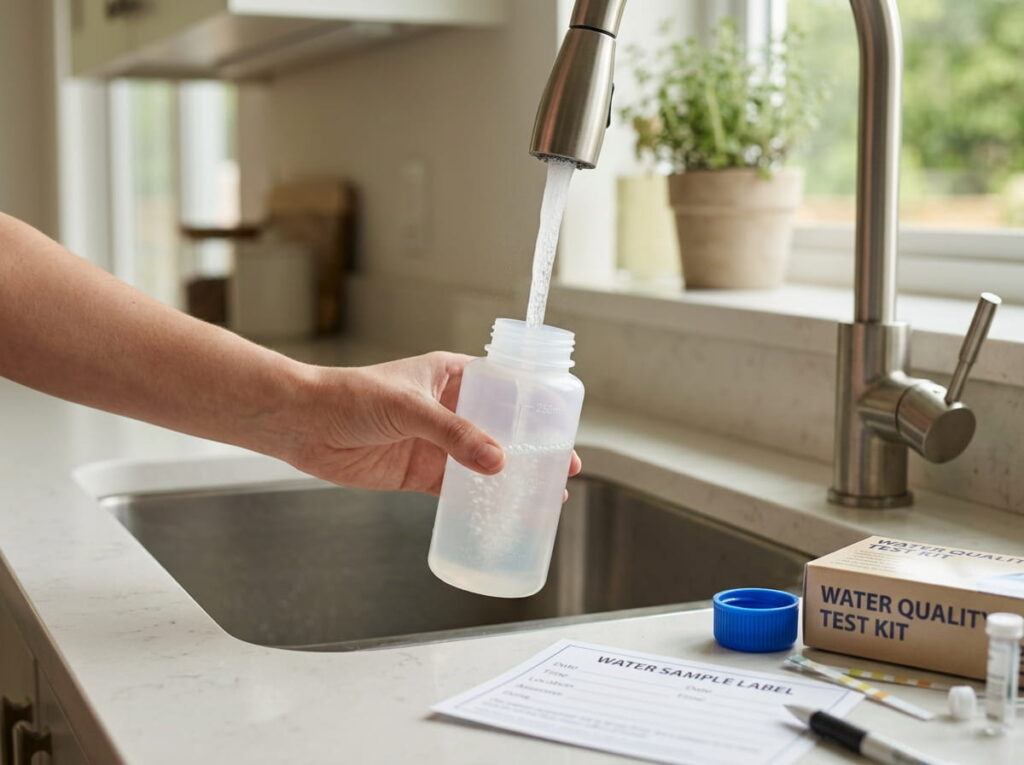
Test Your Water Every Year
Water chemistry can change over time, especially for well owners. Annual testing makes sure your system settings still match your water.
Repair or Replace? How to Decide
Not every problem means you need a new system. Use these guidelines:
- Repair if the system is under 8–10 years old and the issue is a valve, seal, or resin bed.
- Replace if the unit is 12–15 years old, parts are hard to find, or repairs cost more than half the price of a new system.
- Upgrade if your household has grown or your water has changed.
A professional inspection gives you a clear answer. The water system maintenance Tucson experts at Desert Water Services will tell you honestly whether a repair is worth it.
Why Professional Water System Maintenance Tucson Families Trust Pays Off
Some homeowners handle basic tasks like adding salt. That is great. But deeper care requires tools, parts, and experience.
A professional water system maintenance Tucson visit typically includes:
- Checking hardness and TDS at the tap
- Inspecting and cleaning the brine tank
- Testing the control valve and bypass
- Replacing filters and RO membranes as needed
- Sanitizing the system to prevent bacterial growth
- Resetting programming after power outages
If your system has not had attention in a while, a water system tune-up is a smart place to start. Regular water system maintenance Tucson homeowners keep up with is the single best way to reach the high end of your system’s lifespan.
Frequently Asked Questions
What is the average water treatment system lifespan Arizona homeowners see?
Most quality softeners and RO systems last 10 to 15 years in Arizona with regular care. Filters, membranes, and UV lamps need replacement much sooner.
Does heat really damage water softeners?
Yes. Prolonged high temperatures can weaken plastic tanks, seals, and electronic parts. Shade and ventilation help a lot.
How often should I schedule water system maintenance Tucson services?
Once a year is a good minimum. Homes with very hard water, wells, or RO systems often benefit from service every six months.
Can an old system be refurbished instead of replaced?
Often, yes. Replacing resin, a control valve, or an RO membrane can bring an older system back to strong performance for far less than a new unit.
Get More Years From Your System
Your water treatment system should protect your home for a long time. With the right care, the water treatment system lifespan Arizona homeowners enjoy can reach the full 10 to 15 years or beyond.
Desert Water Services helps Tucson-area families keep their systems running at their best. Learn more about our water system maintenance Tucson plans, or call (520) 327-8426 to Schedule Maintenance today.