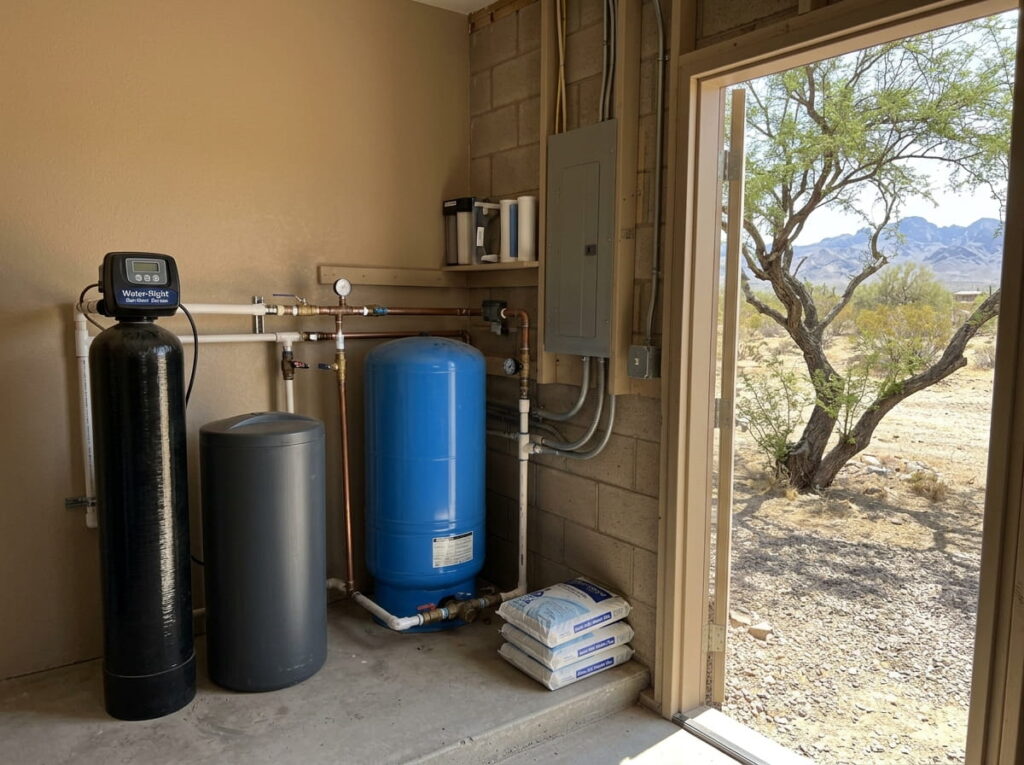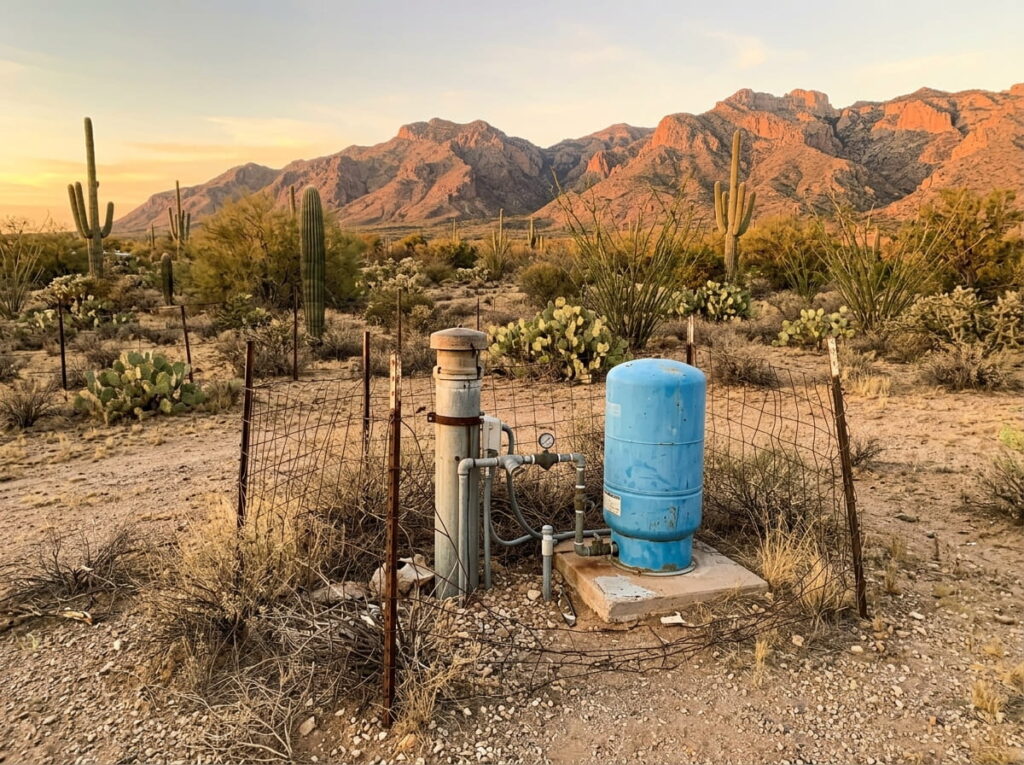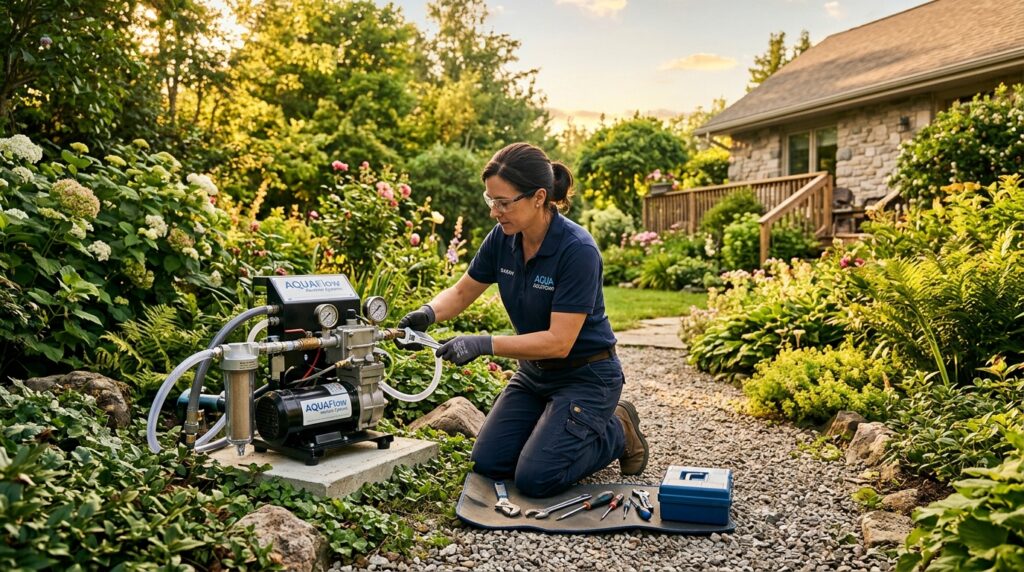
Clean and safe water is essential for every home. That is why many homeowners invest in Home Water Treatment Services in Tucson to improve water quality and protect their plumbing systems. If you are planning to install a water treatment system, one of the first questions you may ask is, “How long will it last?”
The good news is that most home water treatment systems are built to provide reliable performance for many years. In fact, a high-quality system can last anywhere from 10 to 20 years when it is professionally installed and properly maintained. However, the lifespan depends on several factors, including your home’s water quality, the type of treatment system you choose, and how often it is serviced.
Since Tucson is known for its hard water, homeowners often face issues such as mineral buildup, clogged pipes, and reduced appliance efficiency. Therefore, regular maintenance is essential for keeping your water treatment system running smoothly. With the right care, your investment can continue delivering clean, fresh, and healthy water for your family for many years.
Average Lifespan of Home Water Treatment Systems
Not every water treatment system lasts the same amount of time. While some components need to be replaced every few months, the main unit can continue working efficiently for over a decade.
Below are the average lifespans of the most common home water treatment systems.
| Water Treatment System | Average Lifespan |
|---|---|
| Whole-house water filtration system | 10–20 years |
| Water softener | 10–20 years |
| Reverse osmosis system | 10–15 years |
| Carbon filtration tank | 10–15 years |
| UV water purification system | 8–12 years |
| Sediment filter housing | 15–20 years |
When you choose professional Home Water Treatment Services in Tucson, experts install the equipment correctly and ensure every component works efficiently. As a result, your system is more likely to reach its maximum lifespan.
Factors That Affect the Lifespan of Your Water Treatment System
Although most systems are designed to last for many years, several factors determine how long they will continue performing efficiently.
Water Quality
The quality of your home’s water has one of the biggest impacts on the lifespan of your treatment system.
For example, water with high levels of calcium, magnesium, iron, chlorine, or sediment forces the filters and internal components to work much harder. As a result, filters clog more quickly, and other parts experience additional wear and tear.
Because Tucson has naturally hard water, homeowners should consider regular water testing before selecting a treatment system. This helps ensure the equipment is designed to handle the specific contaminants found in the local water supply.
Quality of the Equipment
The quality of the system itself also plays an important role.
High-quality water treatment systems are made with durable tanks, stronger valves, premium filtration media, and corrosion-resistant materials. Although these systems may cost more initially, they generally last much longer and require fewer repairs over time.
On the other hand, lower-quality systems may wear out sooner and need frequent maintenance, making them more expensive in the long run.
Professional Installation
Even the best water treatment system may not perform well if it is installed incorrectly.
Professional technicians make sure every part of the system is connected properly. They also verify that water pressure is balanced, plumbing connections are secure, and the installation follows local building codes.
A professional installation typically includes:
- Correct water pressure adjustment
- Leak-free plumbing connections
- Proper system calibration
- Compliance with local plumbing regulations
- Manufacturer warranty protection
For this reason, many homeowners trust experienced Home Water Treatment Services in Tucson to install their systems properly from the beginning.
Regular Maintenance
Routine maintenance is one of the easiest ways to extend the life of your water treatment system.
Over time, filters become clogged, valves may wear out, and internal components collect mineral deposits. However, regular inspections help identify these issues before they become costly repairs.
A typical maintenance visit includes:
- Replacing old filters
- Cleaning internal components
- Inspecting valves and fittings
- Checking water pressure
- Testing water quality
- Ensuring the system operates efficiently
Therefore, scheduling routine maintenance can significantly increase the lifespan of your equipment while maintaining excellent water quality.
How Long Do Individual Water Treatment Components Last?
Although the main treatment unit can last for many years, some components require replacement much sooner. Replacing these parts on time helps protect the entire system and keeps it operating efficiently.
Sediment Filters
Sediment filters capture dirt, rust, sand, and other particles before they reach the rest of the system.
Most sediment filters should be replaced every 3 to 6 months. However, if your water contains large amounts of sediment, you may need to replace them more frequently.
Carbon Filters
Carbon filters remove chlorine, unpleasant odors, bad tastes, and certain chemicals from your drinking water.
Typically, carbon filters last between 6 and 12 months. Replacing them on schedule helps maintain clean, fresh-tasting water throughout your home.
Reverse Osmosis Membrane
The reverse osmosis membrane is one of the most important parts of an RO system because it removes many dissolved contaminants.
With proper maintenance, the membrane usually lasts between 2 and 5 years. Regular filter replacements help extend its lifespan by preventing excessive buildup.
UV Lamp
If your system includes ultraviolet purification, the UV lamp should generally be replaced once every year.
Although the light may still appear to work, its ability to destroy bacteria and viruses gradually decreases over time. Therefore, annual replacement is recommended for maximum protection.
Water Softener Resin
The resin inside a water softener removes hardness minerals from your water supply.
In most cases, the resin lasts between 10 and 15 years before it needs replacement. Proper maintenance and regular regeneration cycles help maximize its lifespan.
Signs Your Water Treatment System Needs Maintenance
Even the highest-quality systems eventually show signs of wear. Recognizing these warning signs early can prevent larger problems and costly repairs.
Watch for the following symptoms:
- Low water pressure
- Bad-tasting drinking water
- Unpleasant odors
- Cloudy or discolored water
- White mineral deposits on faucets
- Hard water spots on dishes
- Water leaks around the equipment
- Frequent repair needs
- Rust-colored water
- Higher water and energy bills
If you notice any of these problems, it is a good idea to contact a professional offering Home Water Treatment Services in Tucson. A thorough inspection can identify the issue and restore your system’s performance before it becomes more serious.
Why Tucson Homeowners Need Water Treatment Systems
Tucson’s water supply naturally contains high levels of calcium and magnesium, making hard water a common problem for homeowners.
Over time, these minerals leave white scale deposits inside pipes, faucets, dishwashers, water heaters, and other appliances. As a result, plumbing systems become less efficient, appliances consume more energy, and maintenance costs increase.
Fortunately, professional Home Water Treatment Services in Tucson help solve these issues by reducing mineral buildup and improving overall water quality.
A properly maintained water treatment system can help:
- Protect your home’s plumbing
- Extend the lifespan of appliances
- Improve drinking water quality
- Reduce soap scum and mineral stains
- Keep skin and hair healthier
- Lower long-term maintenance costs
Benefits of Maintaining Your Water Treatment System
Routine maintenance does much more than extend the life of your equipment. It also ensures your family continues enjoying clean, healthy, and great-tasting water every day.
Cleaner and Safer Water
Fresh filters remove contaminants more effectively. As a result, your household enjoys cleaner, healthier, and better-tasting water for drinking, cooking, and bathing.
Longer Equipment Lifespan
Replacing inexpensive filters on time helps protect costly components from unnecessary damage. Consequently, your entire system lasts much longer.
Lower Repair Costs
Preventive maintenance catches small problems before they become major repairs. Therefore, regular servicing helps homeowners save money over the life of their water treatment system.
Better Appliance Performance
Clean, treated water protects many household appliances, including:
- Water heaters
- Dishwashers
- Washing machines
- Refrigerators
- Coffee makers
- Ice makers
Because there is less mineral buildup, these appliances operate more efficiently and typically last longer.
Reduced Energy Bills
Hard water scale forces appliances to work harder, increasing energy consumption. However, treated water minimizes scale buildup, helping your appliances run efficiently while lowering monthly utility costs.
How Often Should You Service Your Water Treatment System?
Following a regular maintenance schedule is one of the best ways to keep your water treatment system working efficiently. In addition, routine servicing helps prevent unexpected repairs and extends the lifespan of your equipment.
Below is a recommended maintenance schedule for most residential systems.
Every 3–6 Months
Replace your sediment filters to prevent dirt, sand, and other particles from clogging the system. Clean filters also help maintain good water pressure and improve filtration performance.
Every 6–12 Months
Replace carbon filters to continue removing chlorine, unpleasant odors, and unwanted tastes from your water. Fresh carbon filters ensure your drinking water remains clean and refreshing.
Once Every Year
Schedule a professional maintenance visit that includes:
- Complete system inspection
- Water quality testing
- Water pressure check
- Leak inspection
- Cleaning internal components
- UV lamp replacement if your system uses ultraviolet purification
Annual servicing helps identify minor problems before they become expensive repairs.
Every 2–5 Years
Replace the reverse osmosis membrane if your home has an RO system. Doing so helps maintain high filtration performance and excellent drinking water quality.
Every 10–20 Years
Depending on the condition of the equipment and water quality, you may eventually need to replace the main water treatment system. Fortunately, proper maintenance often allows homeowners to maximize the full lifespan of their investment.
When you schedule routine inspections through Home Water Treatment Services in Tucson, your system continues performing at its best year after year.
Tips to Make Your Water Treatment System Last Longer
Although every system experiences normal wear over time, there are several simple steps you can take to extend its lifespan.
Replace Filters on Time
Filters are your system’s first line of defense. When they become clogged, the rest of the equipment has to work much harder.
Therefore, replacing filters according to the manufacturer’s recommendations helps maintain excellent performance while protecting expensive components.
Schedule Annual Professional Maintenance
Professional inspections allow technicians to detect small issues before they become serious.
Regular servicing also keeps every component operating efficiently and ensures your water remains clean and safe.
Monitor Water Pressure
High water pressure places additional stress on valves, fittings, and plumbing connections.
Maintaining the correct pressure helps reduce wear while protecting your water treatment equipment.
Test Your Water Regularly
Water quality can change over time due to seasonal conditions or municipal water treatment changes.
Regular water testing helps confirm that your current treatment system still meets your home’s needs. As a result, you can make adjustments before water quality problems develop.
Use High-Quality Replacement Parts
Choosing manufacturer-approved filters and replacement components helps your system operate more efficiently.
Although cheaper alternatives may seem like a good way to save money, they often wear out faster and may reduce overall system performance.
Keep the System Clean
Dust, moisture, and debris around your equipment can eventually affect its operation.
Keeping the area clean allows technicians to inspect the system more easily and helps prevent unnecessary damage.
Should You Repair or Replace Your Water Treatment System?
As your system ages, you may wonder whether repairing it or replacing it is the better option.
In many situations, a simple repair is all that is needed. For example, replacing a clogged filter, worn valve, damaged seal, or faulty UV lamp is usually inexpensive and restores normal performance.
However, replacing the entire system may be the smarter long-term investment if:
- The system is more than 15 years old.
- Repairs have become frequent.
- Water quality continues to decline.
- The tank begins leaking.
- Replacement parts are difficult to find.
- Energy efficiency has significantly decreased.
- Your household water needs have changed.
A professional technician can inspect your equipment and recommend the most cost-effective solution based on its overall condition.
Why Professional Water Treatment Services Matter
Although homeowners can replace some filters themselves, professional maintenance provides much more comprehensive care.
Experienced technicians understand the unique water conditions found throughout Tucson and know how to adjust systems for maximum efficiency.
Professional services often include:
- Water quality analysis
- Complete system inspection
- Filter replacement
- Performance testing
- Leak detection
- Pressure adjustment
- Preventive maintenance
- System cleaning
- Equipment recommendations
By choosing trusted Home Water Treatment Services in Tucson, homeowners receive expert support that helps protect both their investment and their family’s water quality.
Common Mistakes That Can Shorten Your System’s Lifespan
Many water treatment systems fail earlier than expected because of avoidable mistakes.
Fortunately, understanding these common problems can help you prevent unnecessary damage.
Ignoring Filter Replacement
Old filters reduce water flow and force the system to work harder. Eventually, this extra strain can damage expensive components.
Skipping Annual Maintenance
Small problems often go unnoticed until they become major repairs. Routine inspections help catch these issues early.
Choosing Low-Quality Replacement Parts
Cheap replacement filters may not provide proper filtration and can reduce the efficiency of the entire system.
Delaying Repairs
Minor leaks or unusual noises may seem harmless at first. However, delaying repairs often allows the damage to become much worse.
Installing the Wrong System
Every home has different water quality challenges. Installing equipment that does not match your water conditions can reduce efficiency and shorten the system’s lifespan.
Professional water testing helps ensure you select the right treatment solution from the beginning.
Environmental Benefits of a Long-Lasting Water Treatment System
Maintaining your water treatment system also benefits the environment.
When your equipment operates efficiently, it:
- Reduces plastic bottle waste
- Improves water conservation
- Uses less energy
- Produces fewer replacement parts
- Extends appliance lifespan
- Reduces household waste
As a result, maintaining your system supports both your home and the environment.
Final Thoughts
A home water treatment system is one of the best investments you can make for your family’s health and your home’s plumbing. Most systems last between 10 and 20 years, while filters and other components require regular replacement throughout that time.
Fortunately, extending the lifespan of your equipment is not difficult. By replacing filters on schedule, testing your water regularly, and scheduling annual maintenance, you can keep your system operating efficiently for many years.
If you want dependable performance and cleaner water, working with experienced Home Water Treatment Services in Tucson is the best choice. Professional installation, routine maintenance, and timely repairs help protect your investment while ensuring your family enjoys fresh, safe, and high-quality water every day.
Frequently Asked Questions
How long does a whole-house water treatment system last?
Most whole-house water treatment systems last between 10 and 20 years when they are properly installed and maintained.
How often should water filters be replaced?
Sediment filters should generally be replaced every 3 to 6 months, while carbon filters usually last 6 to 12 months.
Does hard water reduce the lifespan of a water treatment system?
Yes. Hard water contains minerals that create scale buildup inside the system. Consequently, filters and internal components wear out more quickly if regular maintenance is ignored.
Why are Home Water Treatment Services in Tucson important?
Tucson’s naturally hard water can damage plumbing and appliances over time. Professional water treatment services improve water quality, reduce mineral buildup, and help protect your home’s plumbing system.
How often should my water treatment system be professionally serviced?
Experts recommend scheduling a professional inspection at least once every year to maintain peak performance and identify potential issues early.
Can a water treatment system improve appliance efficiency?
Yes. Treated water reduces mineral deposits inside appliances, allowing them to operate more efficiently while extending their lifespan.
What are the signs that my system needs replacement?
Common signs include poor water taste, cloudy water, low water pressure, leaks, rust-colored water, frequent repairs, and declining filtration performance.
How long does a reverse osmosis system last?
The main reverse osmosis unit usually lasts 10 to 15 years, while the RO membrane typically requires replacement every 2 to 5 years.
Does regular maintenance help save money?
Absolutely. Routine maintenance reduces the risk of expensive repairs, improves efficiency, and extends the lifespan of the entire system.
What is the best way to maximize the lifespan of my water treatment system?
Replace filters on time, schedule annual inspections, monitor water pressure, perform regular water testing, and rely on trusted Home Water Treatment Services in Tucson for professional maintenance and repairs.