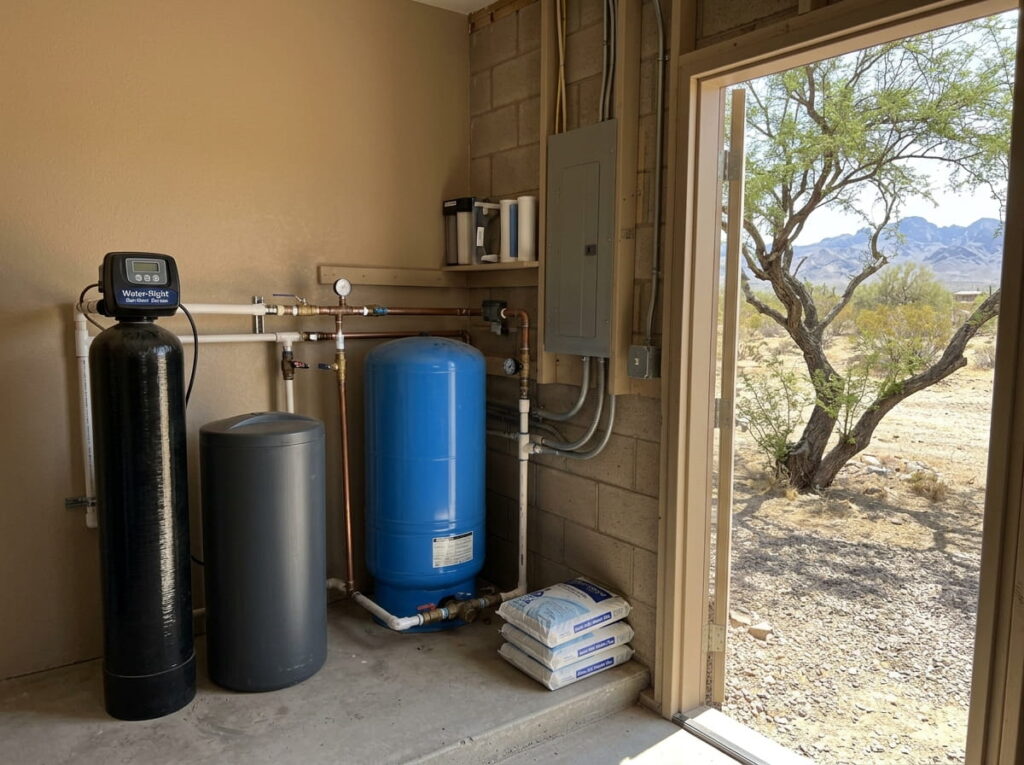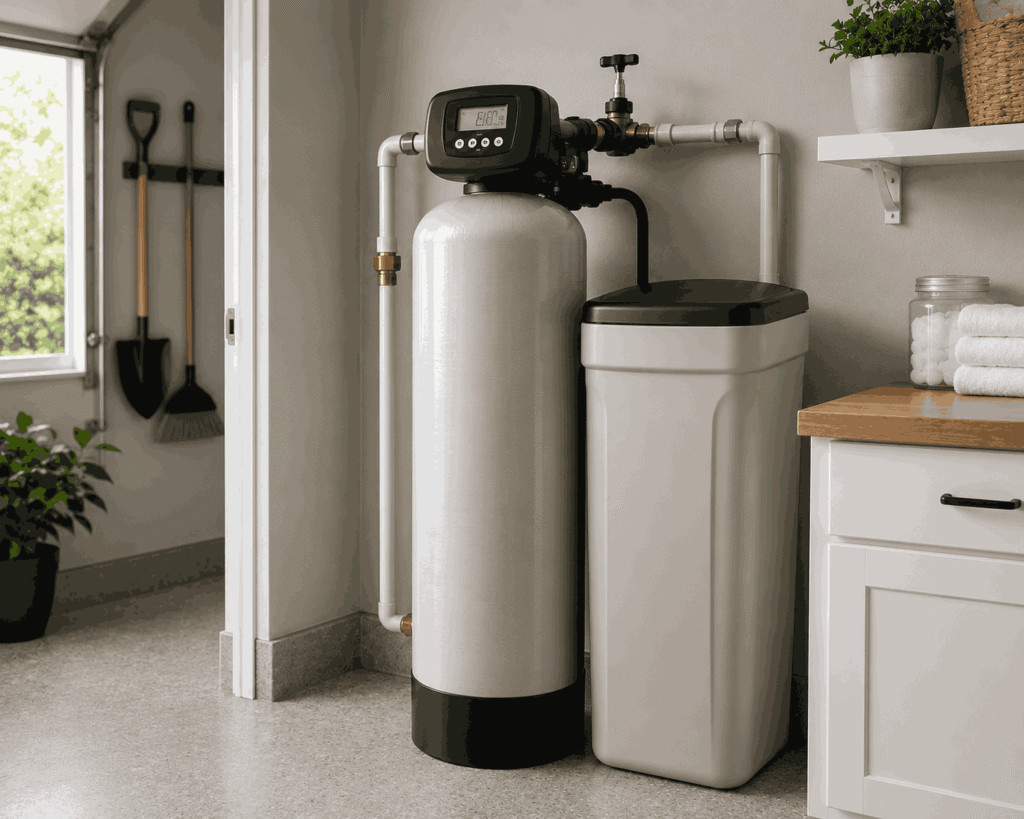
A properly functioning Water Softener Repair system plays a crucial role in protecting your plumbing, appliances, and overall water quality. In areas with hard water, such as many parts of Arizona, a water softener helps remove excess calcium and magnesium before they can build up inside pipes and fixtures.
Like any home appliance, however, a water softener requires regular maintenance and occasional repairs. Ignoring early warning signs can lead to hard water returning to your home, increased utility bills, reduced appliance efficiency, and costly plumbing problems.
This guide covers the seven most common signs your water softener needs repair, why they happen, and when it’s time to call a professional.
Why Your Water Softener Matters
Hard water contains high levels of dissolved minerals, primarily calcium and magnesium. While these minerals are not generally harmful to your health, they can create numerous household issues.
A properly working water softener helps:
- Reduce scale buildup
- Protect plumbing fixtures
- Extend appliance lifespan
- Improve soap efficiency
- Keep dishes cleaner
- Leave clothes feeling softer
- Improve bathing experience
- Increase water heater efficiency
When your system stops working properly, these benefits quickly disappear.
1. Hard Water Has Returned
One of the clearest signs you need Water Softener Repair is the sudden return of hard water symptoms.
You may notice:
- White spots on dishes
- Soap that won’t lather
- Mineral deposits around faucets
- Dry skin after showers
- Stiff laundry
- Cloudy glassware
If these problems suddenly return after years of soft water, your water softener may no longer be regenerating correctly or another component may have failed.
2. Salt Isn’t Being Used
A water softener depends on salt to regenerate the resin beads that remove hardness minerals.
If the salt level barely changes over several weeks despite normal household water usage, something is likely wrong.
Possible causes include:
- Salt bridge formation
- Salt mushing
- Injector blockage
- Faulty control valve
- Clogged brine line
A professional inspection can determine the exact issue before it affects the entire system.
3. Your Water Feels Different
Many homeowners become accustomed to the feel of softened water.
If your water suddenly feels:
- Sticky
- Rough
- Less slippery
- Difficult to rinse soap away
your water softener may not be removing hardness minerals effectively.
Changes in water texture often appear before more noticeable hard water symptoms.
4. Mineral Buildup Is Returning
Look around your home.
Do you notice:
- White crust around faucets?
- Scale on showerheads?
- Mineral stains in sinks?
- Build-up inside coffee makers?
These are common indicators that hard water has returned.
Ignoring mineral buildup can eventually reduce plumbing efficiency and shorten the lifespan of household appliances.
5. Your Water Softener Runs Constantly
A healthy system regenerates according to programmed settings or water usage.
If it appears to be running continuously, cycling too frequently, or making unusual sounds, repairs may be needed.
Possible problems include:
- Faulty timer
- Stuck valve
- Electronic controller failure
- Incorrect programming
- Internal leaks
Constant regeneration wastes:
- Water
- Salt
- Electricity
and increases operating costs.
6. Resin Beads Appear in Your Water
This is a less common but important warning sign.
Tiny amber-colored beads in sinks, tubs, or faucets usually indicate damaged resin tanks or broken internal screens.
Once resin escapes the tank, the water softener can no longer soften water properly.
Professional repair is recommended immediately to prevent further damage.
7. Your Water Softener Is More Than 10 Years Old
Older systems naturally experience wear over time.
Components that may eventually fail include:
- Control valves
- Motors
- Resin
- Brine tanks
- Injectors
- Electronic controls
Age alone doesn’t mean replacement is necessary, but routine inspections become increasingly important as systems get older.
Many well-maintained units continue operating efficiently for years with proper servicing.
Common Causes of Water Softener Problems
Several issues can affect performance over time.
Salt Bridges
A hard crust forms above the salt, preventing proper regeneration.
Salt Mushing
Soft, slushy salt accumulates at the bottom of the brine tank.
Dirty Resin
Iron or sediment can coat resin beads, reducing efficiency.
Valve Failure
Control valves regulate regeneration cycles.
When they malfunction, the entire system can stop working properly.
Incorrect Settings
Power outages or accidental programming changes can affect regeneration schedules.
Hard Water Overload
Extremely hard water may require system adjustments or larger equipment.
Can You Repair a Water Softener Yourself?
Some minor maintenance tasks are homeowner-friendly.
These include:
- Checking salt levels
- Breaking salt bridges
- Cleaning the brine tank
- Inspecting for visible leaks
However, repairs involving:
- Control valves
- Electrical components
- Resin replacement
- Internal plumbing
are best left to trained professionals.
Improper repairs may cause additional damage or reduce system performance.
The Importance of Routine Maintenance
Preventative maintenance helps avoid unexpected breakdowns.
Professional maintenance typically includes:
- System inspection
- Performance testing
- Cleaning injectors
- Checking valves
- Resin evaluation
- Programming verification
- Leak inspection
Regular servicing often extends equipment life while maintaining optimal water quality.
How Hard Water Affects Your Home
Without a properly functioning softener, hard water can affect nearly every part of your home.
Plumbing
Mineral buildup restricts water flow inside pipes.
Water Heater
Scale reduces heating efficiency and increases energy costs.
Dishwasher
Hard water leaves cloudy dishes and mineral deposits.
Washing Machine
Minerals reduce cleaning performance while increasing wear.
Faucets and Fixtures
White scale becomes difficult to remove over time.
Clothing
Laundry may become stiff, dull, and rough.
Skin and Hair
Many homeowners experience dryness and soap residue when hard water returns.
Should You Repair or Replace Your Water Softener?
The answer depends on several factors.
Repair may be the better choice if:
- The system is relatively new
- Repairs are minor
- Performance has been reliable
- Parts remain available
Replacement may be worth considering if:
- The system is very old
- Repairs are becoming frequent
- Water needs have changed
- The equipment no longer meets household demand
A professional evaluation helps determine the most cost-effective solution.
Choosing a Professional Water Softener Repair Company
Not all water treatment companies offer the same level of expertise.
Look for a provider that offers:
- Professional water testing
- Experienced technicians
- Quality replacement parts
- Honest recommendations
- Maintenance services
- Residential and commercial solutions
Desert Water Services has more than 35 years of experience providing customized water treatment solutions throughout Arizona. Their team offers water softener repair, installation, maintenance, system inspections, and complimentary on-site water testing to ensure homeowners receive the right solution for their specific water conditions.
Prevent Future Water Softener Problems
Simple habits can help extend the life of your system.
These include:
- Check salt levels monthly.
- Use high-quality water softener salt.
- Keep the brine tank clean.
- Schedule annual maintenance.
- Address unusual sounds promptly.
- Monitor water quality changes.
- Test your water periodically.
Routine care helps reduce costly repairs while keeping your water softener operating efficiently.
Final Thoughts
A properly functioning water softener protects your plumbing, appliances, and daily water quality. If you’ve noticed hard water returning, increased mineral buildup, unusual system behavior, or reduced performance, don’t ignore the warning signs.
Early Water Softener Repair can prevent larger issues, improve system efficiency, and extend the lifespan of your equipment.
If you’re unsure whether your water softener is working correctly, professional testing and inspection can quickly identify the problem and recommend the right solution for your home.
Don’t let hard water damage your home. Contact Desert Water Services today to schedule professional water softener repair, maintenance, or a complimentary water quality evaluation and keep your water treatment system performing at its best.
Frequently Asked Questions
1. How do I know if my water softener needs repair?
Common signs include hard water returning, mineral buildup, increased salt usage problems, unusual noises, or continuous regeneration cycles.
2. Can a water softener stop working without warning?
Yes. Mechanical failures, clogged components, electrical issues, or resin problems can occur unexpectedly.
3. How often should a water softener be serviced?
Most manufacturers recommend professional maintenance at least once a year, depending on water quality and household usage.
4. Why is my water still hard after adding salt?
Adding salt alone doesn’t fix issues like clogged injectors, faulty valves, resin damage, or programming problems.
5. Can hard water damage appliances?
Yes. Mineral buildup reduces efficiency and may shorten the lifespan of water heaters, dishwashers, washing machines, and other appliances.
6. What causes salt bridges?
Humidity, poor-quality salt, or improper storage conditions can cause hardened salt layers that prevent proper regeneration.
7. Is repairing a water softener cheaper than replacing it?
In many cases, yes. Minor repairs are often more affordable than purchasing a new system, especially if the unit is relatively new.
8. How long does a water softener typically last?
With proper maintenance, many water softeners last between 10 and 15 years or longer.
9. Can I repair my water softener myself?
Basic maintenance tasks are possible, but internal repairs should be handled by trained professionals to avoid further damage.
10. Why choose Desert Water Services?
Desert Water Services provides professional water softener repair, installation, maintenance, and customized water treatment solutions backed by more than 35 years of experience. Their team offers complimentary on-site water testing and reliable service throughout Arizona.