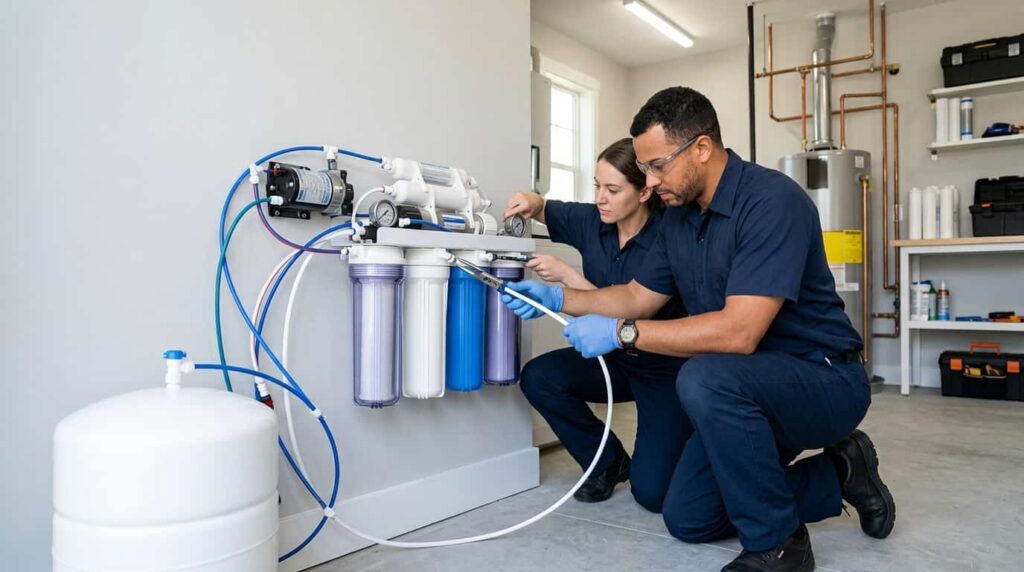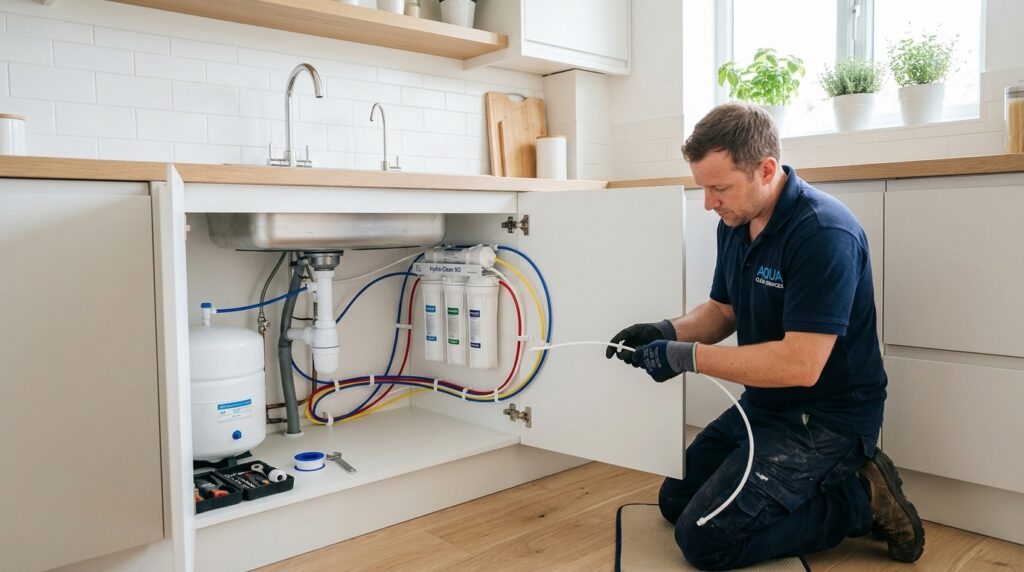
If you’re looking for cleaner, healthier water for your home, choosing the right Residential Water Purification System in Tucson can make a significant difference. Many homeowners wonder whether they should invest in a whole house filtration system or a water softener. While both systems improve water quality, they serve different purposes. Understanding how each works will help you choose the best solution for your household’s needs, especially if you’re dealing with Tucson’s naturally hard water and mineral-rich water supply.
Understanding Tucson’s Water Quality
Tucson homeowners commonly experience hard water because groundwater contains high levels of calcium and magnesium. Although municipal water is treated for safety, it may still contain chlorine, sediment, minerals, and other impurities that affect taste, odor, plumbing, and appliances.
Installing a Residential Water Purification System in Tucson helps improve water quality throughout your home, protecting your family while extending the life of plumbing fixtures and household appliances.
What Is a Whole House Filtration System?
A whole house filtration system treats all the water entering your home before it reaches your faucets, showers, washing machine, and appliances.
These systems are designed to remove contaminants such as:
- Chlorine
- Sediment
- Rust particles
- Volatile Organic Compounds (VOCs)
- Pesticides
- Herbicides
- Bad odors
- Unpleasant tastes
Depending on the filtration technology, some systems can also reduce bacteria and certain heavy metals.
Unlike point-of-use filters that only clean drinking water, whole house systems provide filtered water to every tap in your home.
What Is a Water Softener?
A water softener is specifically designed to remove hardness minerals like calcium and magnesium through a process called ion exchange.
Instead of filtering contaminants, a water softener replaces hardness minerals with sodium or potassium ions.
Benefits include:
- Softer skin and hair
- Reduced soap scum
- Cleaner dishes
- Longer-lasting appliances
- Less plumbing scale buildup
- Better laundry results
However, a water softener does not remove chlorine, sediment, chemicals, or other contaminants from your water.
Whole House Filtration System vs Water Softener
Understanding the differences helps determine which option best fits your home.
Water Quality Improvement
A whole house filtration system improves overall water quality by removing contaminants that affect taste, smell, and safety.
A water softener only addresses hardness minerals.
Appliance Protection
Both systems help protect appliances, but in different ways.
Filtration systems reduce sediment and contaminants that damage equipment.
Water softeners prevent mineral scale that shortens appliance lifespan.
Drinking Water
A whole house filtration system significantly improves drinking water quality.
A water softener does not remove chlorine or chemical contaminants from drinking water.
Plumbing Protection
Hard water creates scale buildup inside pipes.
Water softeners effectively eliminate this problem.
Filtration systems help by reducing sediment but do not remove hardness minerals.
Maintenance
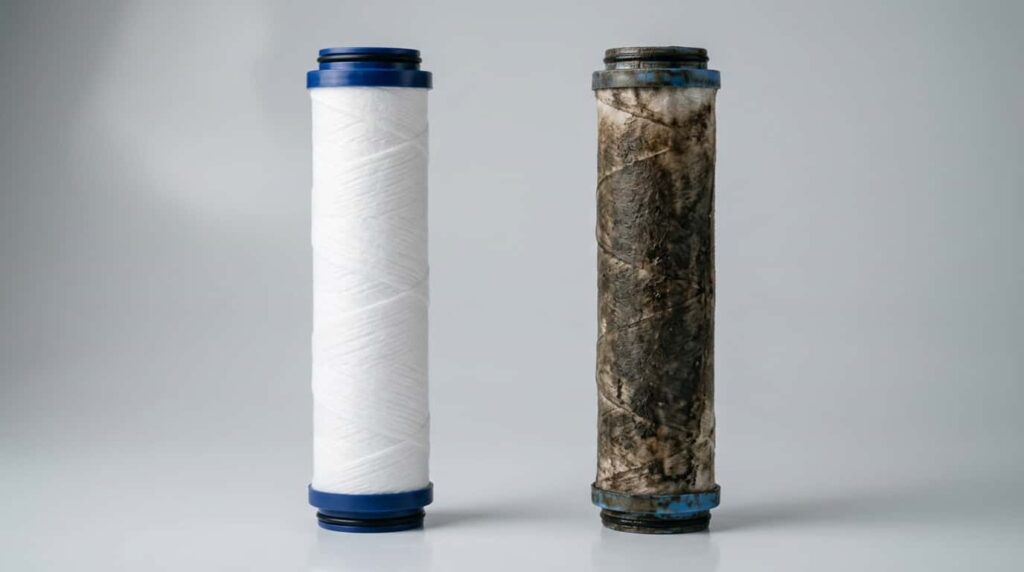
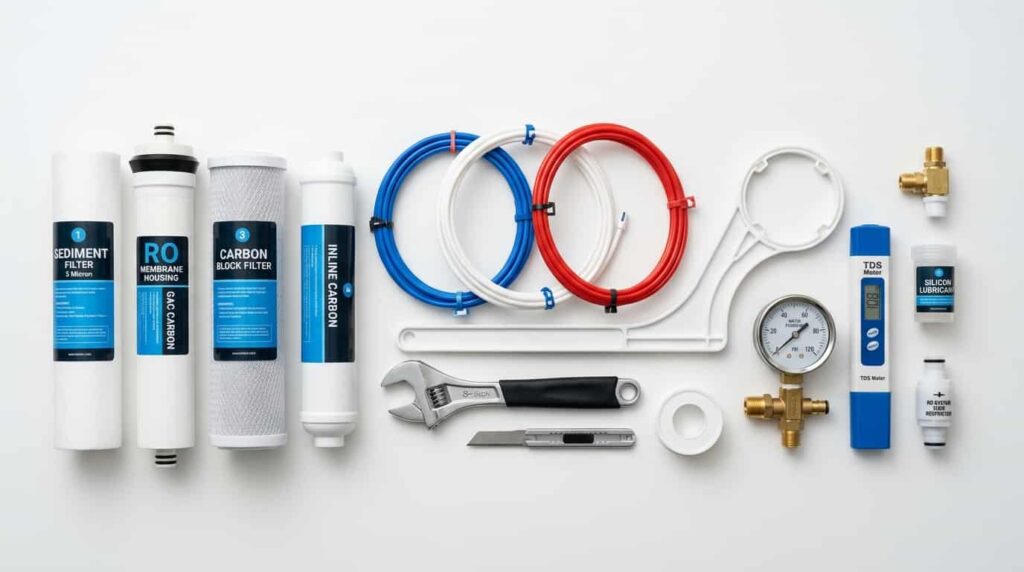
Whole house filters require periodic cartridge replacement.
Water softeners require salt refills and occasional maintenance.
Which System Is Better for Tucson Homes?
The answer depends on your water concerns.
If your primary problem is hard water, a water softener is an excellent solution.
If you’re concerned about:
- Chlorine
- Water taste
- Odors
- Sediment
- Chemicals
- Overall water quality
then a Residential Water Purification System in Tucson is the better investment.
Many Tucson homeowners actually benefit from installing both systems together for complete water treatment.
Benefits of Installing a Residential Water Purification System in Tucson
A professionally installed filtration system offers numerous long-term advantages.
Cleaner Drinking Water
Filtered water tastes fresher while reducing unwanted chemicals and odors.
Families often drink more water after filtration because it simply tastes better.
Better Skin and Hair
Reducing chlorine and contaminants helps prevent dry skin and irritation after bathing.
Many homeowners notice softer hair and healthier skin.
Healthier Cooking
Filtered water enhances the flavor of soups, coffee, tea, and meals while reducing unwanted contaminants.
Improved Air Quality
Showering with chlorinated water releases chlorine vapor into the air.
Filtration helps reduce inhalation exposure during hot showers.
Longer Plumbing Life
Removing sediment reduces wear on:
- Pipes
- Faucets
- Water heaters
- Washing machines
- Dishwashers
Lower Maintenance Costs
Cleaner water helps appliances operate more efficiently while reducing repair expenses.
Should You Install Both Systems?
For many homes, combining both systems provides the best results.
A filtration system removes contaminants.
A water softener removes hardness minerals.
Together they provide:
- Cleaner drinking water
- Softer water
- Better appliance protection
- Improved plumbing efficiency
- Healthier bathing
- Better tasting food
- Longer equipment lifespan
Many water treatment professionals recommend this combination for Tucson homes because it addresses virtually every common water issue.
Signs You Need Water Treatment
You may benefit from a Residential Water Purification System in Tucson if you notice:
- White mineral spots on dishes
- Soap that won’t lather
- Dry skin after showers
- Bad tasting tap water
- Chlorine smell
- Rust stains
- Sediment in water
- Frequent plumbing repairs
- Scale buildup around faucets
- Appliance performance issues
These symptoms indicate your water could benefit from professional treatment.
How to Choose the Right System
Before purchasing equipment, consider several factors.
Water Testing
A professional water analysis identifies contaminants and hardness levels.
Testing ensures you purchase the right treatment system instead of guessing.
Household Size
Larger homes require systems capable of handling greater water demand.
Water Usage
Daily consumption determines system capacity.
Oversized or undersized systems may reduce efficiency.
Maintenance Requirements
Choose equipment with maintenance schedules that fit your lifestyle.
Professional servicing helps maximize performance.
Professional Installation
Proper installation ensures optimal filtration performance while preventing leaks or pressure issues.
Why Professional Installation Matters
Professional installers understand Tucson’s water conditions and can recommend customized solutions.
Proper installation includes:
- Correct sizing
- Plumbing integration
- Pressure testing
- System calibration
- Performance verification
Professional installation also protects manufacturer warranties.
Long-Term Cost Savings
Although installing a Residential Water Purification System in Tucson requires an upfront investment, homeowners often save money over time through:
- Reduced bottled water purchases
- Fewer plumbing repairs
- Longer appliance lifespan
- Lower maintenance expenses
- Improved water heater efficiency
- Reduced detergent use
Over several years, these savings can offset much of the installation cost.
Environmental Benefits
Water purification systems reduce dependence on bottled water, helping decrease plastic waste.
Using filtered tap water is more sustainable while reducing transportation emissions associated with bottled water production.
It’s a practical choice for homeowners who value environmental responsibility.
Final Thoughts
Choosing between a whole house filtration system and a water softener depends on your home’s water quality challenges. If your concern is hard water, a softener provides excellent protection against mineral buildup. If you’re focused on improving water taste, removing chlorine, sediment, and contaminants, a Residential Water Purification System in Tucson offers comprehensive benefits. For the highest level of water quality, many Tucson homeowners combine both systems to enjoy cleaner, softer, healthier water throughout the entire home. Consulting a local water treatment professional and scheduling a water test is the best way to determine the ideal solution for your family’s needs.
GEO Optimized FAQs
1. What is the best Residential Water Purification System in Tucson?
The best system depends on your water quality. Many Tucson homeowners choose whole house filtration combined with a water softener for complete protection against contaminants and hard water.
2. Does a whole house filtration system remove hard water in Tucson?
No. Whole house filtration systems remove contaminants, chlorine, sediment, and odors, but they do not remove hardness minerals. A water softener is needed for hard water.
3. Is hard water common in Tucson?
Yes. Tucson is known for naturally hard groundwater containing high levels of calcium and magnesium that can damage plumbing and appliances over time.
4. Should I install both a water softener and a whole house filtration system?
Yes. Installing both systems provides comprehensive water treatment by removing contaminants while also eliminating hard water minerals.
5. How long does a Residential Water Purification System in Tucson last?
Most professionally installed systems last between 10 and 20 years with proper maintenance and regular filter replacements.
6. Will filtered water improve my home’s appliances?
Yes. Cleaner water reduces sediment buildup and helps appliances such as dishwashers, washing machines, and water heaters operate more efficiently.
7. Is professional installation recommended in Tucson?
Absolutely. Professional installation ensures proper sizing, optimal performance, and compliance with local plumbing standards.
8. Can a Residential Water Purification System in Tucson improve drinking water?
Yes. Whole house filtration systems significantly improve drinking water by reducing chlorine, sediment, unpleasant tastes, and odors.
9. How often should filters be replaced?
Replacement schedules vary by system, but most filters should be changed every 6 to 12 months for optimal performance.
10. Why should Tucson homeowners test their water before buying a filtration system?
Water testing identifies specific contaminants and hardness levels, allowing professionals to recommend the most effective water treatment solution for your home.