Filtered water may look clean, but filtration does not always mean the water is completely free from bacteria. Different water filters are designed to target different contaminants, and some household filters primarily improve taste, reduce odors, or remove certain chemicals rather than eliminate microorganisms.
Bacteria can also multiply when filters are old, improperly maintained, or exposed to contamination. Plumbing systems, storage tanks, filter housings, and containers can also affect water quality after the filtration process.
This makes Water Contamination Testing in Tucson an important consideration for homeowners who notice changes in water quality, use filtration systems, or want to understand what is actually present in their drinking water.
How Can Bacteria Grow in Filtered Water?
A water filter can collect particles and contaminants from the water passing through it. Over time, microorganisms may accumulate in or around the filter, particularly when the filter is not replaced according to the manufacturer’s recommendations.
Some filtration systems can also remove disinfectants such as chlorine. Although this may improve the taste and odor of drinking water, disinfectants help control microbial growth within water distribution systems. When disinfectant levels are reduced, microorganisms may have more opportunity to grow in certain parts of a household plumbing system.
Warm temperatures, stagnant water, dirty filter housings, and poor maintenance can further contribute to microbial growth.
This does not mean that every filtered water system contains harmful bacteria. However, proper maintenance and appropriate testing are important when there is concern about water quality.
Does Every Water Filter Remove Bacteria?
No. Different water filtration technologies are designed to remove different types of contaminants.
For example, many activated-carbon filters commonly found in refrigerators, pitchers, and under-sink systems are primarily designed to improve taste and odor and reduce certain chemical contaminants. They should not automatically be considered a complete solution for bacterial contamination.
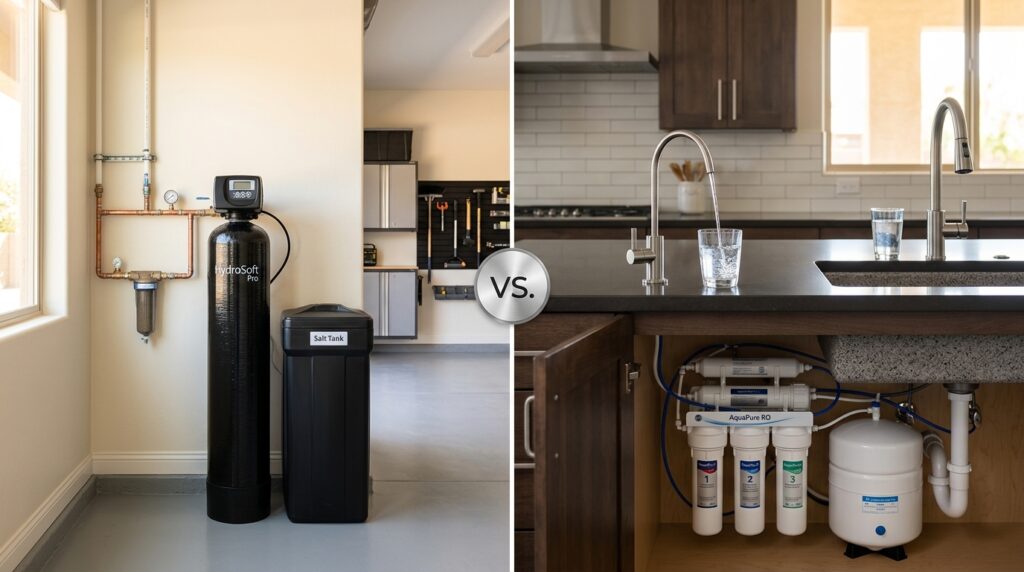
Other technologies can provide additional microorganism reduction. Depending on the specific system, these may include ultrafiltration, nanofiltration, ultraviolet treatment, and reverse osmosis.
The effectiveness of a treatment system depends on its design, certification, installation, condition, and maintenance. Homeowners should therefore check the manufacturer’s specifications instead of assuming that a particular filter removes every type of contaminant.
If bacterial contamination is suspected, testing can help determine whether additional treatment is appropriate.
Why Water Contamination Testing Matters
Water can contain contaminants that cannot be detected simply by looking at it. Clear water does not necessarily mean that it is free from microorganisms or other substances.
Likewise, an unusual smell, taste, or appearance does not automatically identify the specific contaminant responsible for the change.
Water testing provides a more reliable way to investigate potential water-quality concerns. Depending on the situation, testing may look for bacteria, minerals, chemicals, or other contaminants.
For Tucson homeowners, Water Contamination Testing in Tucson can be particularly useful when there are concerns about household plumbing, filtration equipment, storage systems, private wells, or unexpected changes in water quality.
Testing can also help homeowners make more informed decisions about water treatment instead of purchasing a filtration system without knowing which contaminants need to be addressed.
What Can Cause Contamination After Filtration?
Filtration is only one part of maintaining water quality. Contamination can potentially occur before, during, or after the filtration process.
Common factors that may contribute to water-quality problems include:
- An overdue filter replacement
- Poorly maintained filtration equipment
- Contaminated filter housings
- Dirty storage containers
- Unclean storage tanks
- Stagnant water
- Plumbing biofilm
- Damaged filtration components
- Improperly stored filtered water
- Contamination occurring after the filtration stage
For example, even if water passes through a properly functioning filter, it could potentially become contaminated through an unclean storage container or poorly maintained plumbing component.
That is why evaluating the complete water system can be more useful than focusing only on the filter itself.
Can Old Water Filters Become a Source of Bacteria?
An old filter may not perform as effectively as it did when it was new. As contaminants accumulate, the filter can become less effective, depending on its design and intended use.
A filter that remains in service beyond its recommended replacement period may also develop conditions that allow microorganisms to accumulate.
Homeowners should follow the replacement schedule provided by the manufacturer. Some filters have a specific time-based replacement recommendation, while others may have a capacity rating based on the amount of water processed.
If a filter has been used for longer than recommended, replacing it may be an important maintenance step. However, replacement alone may not address a broader contamination problem if bacteria are present elsewhere in the plumbing or water system.
Can Bacteria Grow in Water Storage Tanks?
Yes, certain conditions can allow microorganisms to grow in water storage systems.
Storage tanks can collect sediment or develop biofilm when they are not properly maintained. Temperature, stagnant water, tank cleanliness, and the overall condition of the system can influence microbial growth.
If a home uses a water storage tank as part of its treatment or distribution system, regular inspection and appropriate maintenance are important.
If homeowners are concerned about contamination, professional testing can help determine whether there is evidence of a water-quality problem.
When Should You Consider Water Testing?
Homeowners should consider water testing when they have a specific concern about the quality or safety of their water.
Potential reasons to consider Water Contamination Testing in Tucson include:
- A sudden change in water taste or odor
- Unusual changes in water appearance
- Concerns about bacterial contamination
- A malfunctioning or poorly maintained filter
- An overdue filter replacement
- Concerns about a private well
- Problems with a water storage system
- Recent plumbing work
- Repeated water-quality issues
- Uncertainty about which contaminants are present
Testing can help identify the specific issue and provide useful information for determining whether additional treatment or maintenance is necessary.
Rather than assuming that a particular filter will solve the problem, testing can help homeowners choose a treatment approach based on actual water-quality information.
How Can You Reduce Bacterial Growth?
Regular maintenance is one of the simplest ways to reduce conditions that may support bacterial growth in a household water system.
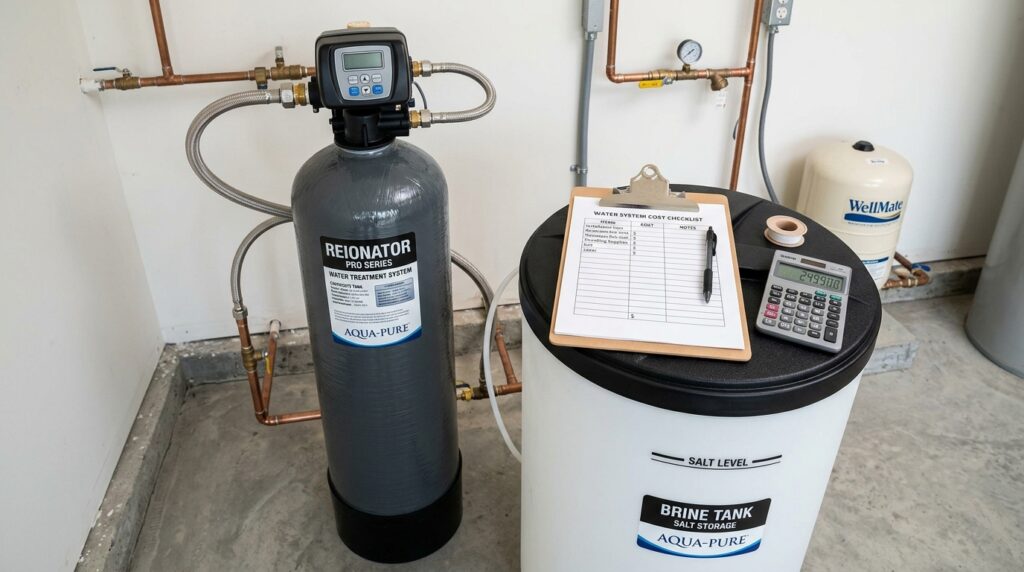
Replace filters according to the manufacturer’s recommended schedule and clean filter housings when required. Storage tanks and other treatment components should also be maintained according to their manufacturer’s instructions.
Homeowners should also avoid storing filtered drinking water in dirty or unsuitable containers. Containers used for drinking water should be cleaned regularly and kept covered when appropriate.
If a filtration system has been unused for an extended period, follow the manufacturer’s instructions before returning it to normal use.
Most importantly, do not rely solely on the appearance or taste of water to determine whether it is safe. Some contaminants cannot be detected by sight, smell, or taste.
Is Reverse Osmosis Enough to Keep Water Safe?
Reverse osmosis is a widely used water-treatment technology that can reduce many contaminants. However, no single treatment system should automatically be assumed to solve every possible water-quality problem.
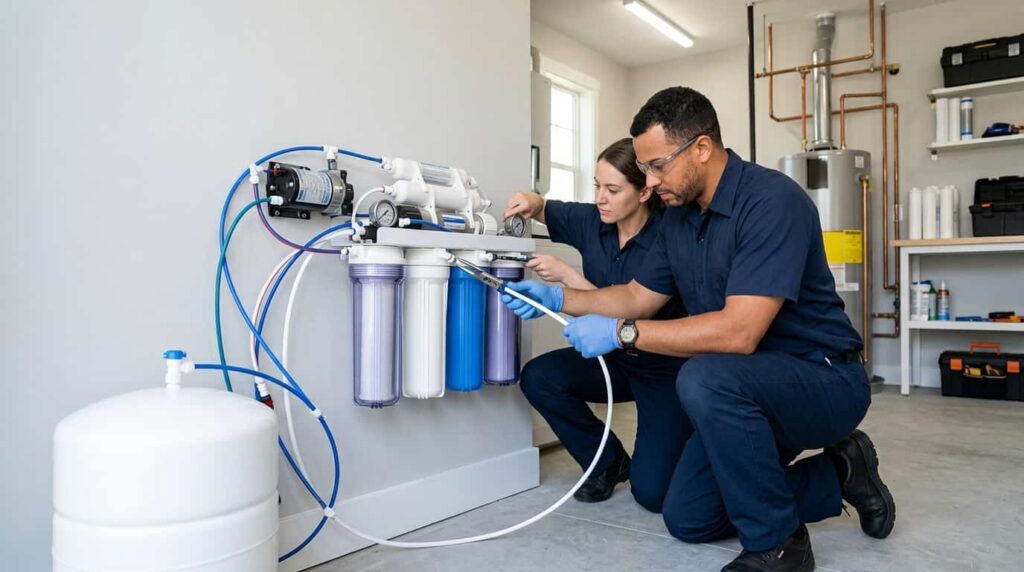
The performance of an RO system depends on the membrane, prefilters, post-filters, installation, water conditions, and maintenance.
Replacing filters and membranes according to manufacturer recommendations is important for maintaining system performance.
If bacterial contamination is suspected, testing should be considered to determine what is actually present and whether additional treatment is needed.
Why Tucson Homeowners Should Pay Attention to Water Quality
Water quality can vary depending on the water source, plumbing conditions, treatment equipment, and other factors within a property.
Municipal water is treated and monitored, but conditions inside a private home’s plumbing and treatment equipment can still influence the water coming from an individual tap.
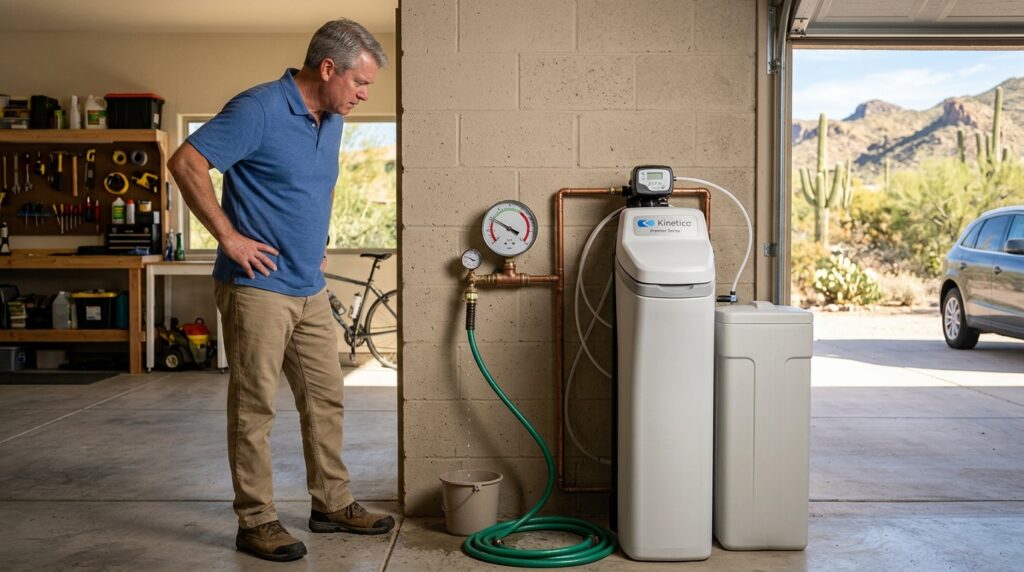
Homes using additional filtration, reverse osmosis, water softeners, storage tanks, or private wells may have additional components that require regular maintenance.
For homeowners with ongoing concerns, Water Contamination Testing in Tucson can provide valuable information about the condition of their water and help identify potential contamination issues.
What Happens After Water Testing?
The next step depends on the test results.
If testing does not identify the suspected contaminant, homeowners may be able to focus on routine maintenance or investigate other causes of changes in taste, odor, or appearance.
If testing identifies bacteria or another contaminant, the appropriate response should be based on the specific result and the source of the problem.
In some cases, the solution may involve cleaning or replacing a filter. In other situations, homeowners may need to inspect plumbing, storage equipment, or consider a more appropriate water-treatment technology.
The key is to identify the problem before selecting a solution.
Get Professional Water Contamination Testing in Tucson
Filtered water is not automatically guaranteed to be free of bacteria. The condition of the filter, plumbing, storage equipment, and water source can all influence water quality.
Routine filter replacement and proper system maintenance can help reduce potential problems, but testing is important when there is a specific concern about contamination.
If you are concerned about bacteria, changes in water quality, or the performance of your filtration system, Water Contamination Testing in Tucson can help provide useful information about what is actually present in your water.
Professional testing can help homeowners better understand their water quality and determine whether additional treatment, maintenance, or system improvements may be appropriate.
Frequently Asked Questions
1. Can bacteria grow in filtered water?
Yes. Bacteria can grow if filters are old, contaminated, or improperly maintained.
2. Does filtered water remove all bacteria?
No. Not every water filter is designed to remove bacteria or other microorganisms.
3. How often should water filters be replaced?
Replace filters according to the manufacturer’s recommended replacement schedule.
4. Can bacteria grow inside a water filter?
Yes. Poorly maintained filters can provide conditions where microorganisms accumulate and multiply.
5. Is cloudy filtered water a sign of contamination?
It can indicate a water-quality issue, but testing is needed to determine the actual cause.
6. Why should Tucson homeowners test their water?
Testing can identify bacteria and other contaminants that cannot always be detected by appearance, smell, or taste.
7. Can bacteria contaminate water after filtration?
Yes. Contamination can occur through plumbing, storage tanks, containers, or poorly maintained equipment.
8. Does reverse osmosis remove bacteria?
Reverse osmosis can reduce many microorganisms, but proper system maintenance is essential.
9. When should I get water contamination testing?
Consider testing when you notice unusual water changes or have concerns about contamination or your filtration system.
10. How can I prevent bacterial growth in filtered water?
Replace filters on time, maintain the filtration system, clean storage components, and follow manufacturer instructions.