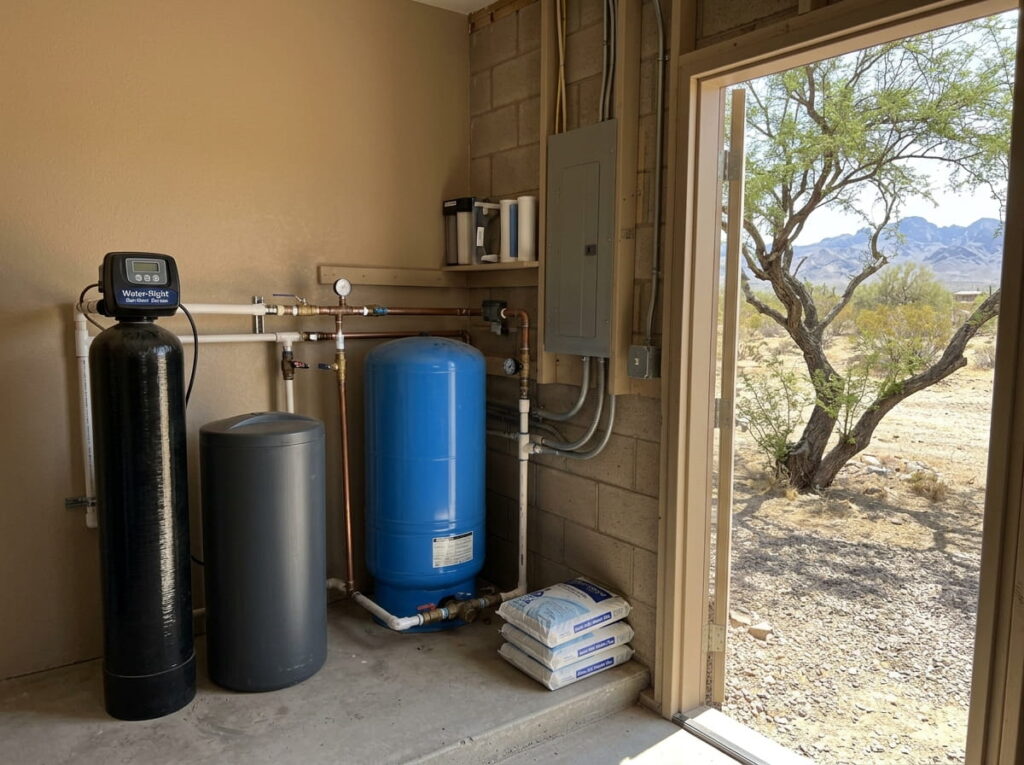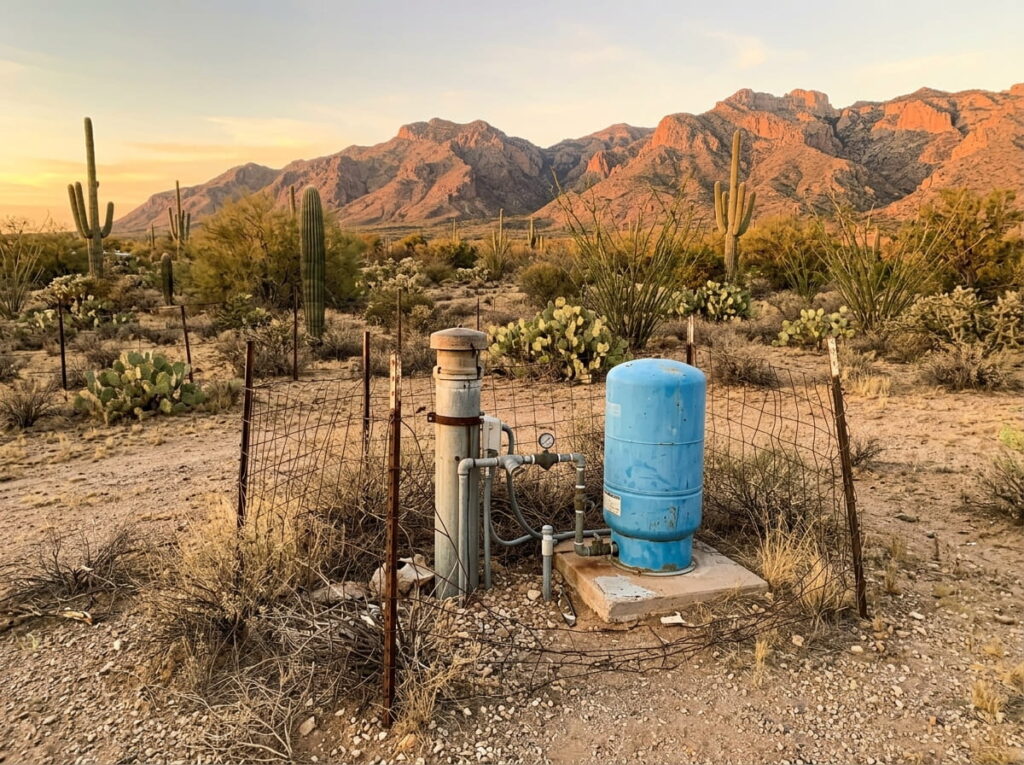
Homeowners in Tucson often look for better ways to improve the quality of water used throughout their homes. Hard water, mineral buildup, unpleasant taste, sediment, and chlorine can all make everyday water use less convenient. A whole-house treatment system can help address specific water-quality concerns at the point where water enters the property.
If you are researching the cost of a Desert Water system, the final price can vary based on your home’s water quality, household size, plumbing setup, treatment requirements, and selected equipment. A Whole House Water Treatment System in Tucson is not a one-size-fits-all purchase. The right system should match the actual needs of the property.
Desert Water provides water treatment solutions designed around local water concerns. Before choosing equipment, homeowners should understand what affects the price, what treatment options are available, and what ongoing maintenance may be required.
What Is a Whole-House Water Treatment System?
A whole-house water treatment system is installed on the home’s main water line. Instead of treating water at only one faucet, it treats water before it enters the home’s plumbing network.
This means treated water can be available at multiple locations, including:
- Kitchen faucets
- Bathroom sinks
- Showers
- Bathtubs
- Washing machines
- Refrigerators
- Water heaters
- Other connected fixtures
The type of treatment depends on the quality of the incoming water and the homeowner’s goals.
Some systems are designed to reduce sediment and chlorine. Others are designed to address hard water, mineral buildup, odors, or specific contaminants. In some homes, multiple treatment technologies may be combined to provide more complete water treatment.
A professional water assessment is useful because it helps determine which treatment method is appropriate instead of relying on assumptions.
How Much Does a Desert Water System Cost?
There is no single price for every Desert Water whole-house treatment installation. The total investment depends on the type of system, water conditions, home size, installation requirements, and maintenance needs.
A basic filtration setup may require a smaller investment than a comprehensive treatment system with multiple stages. Additional plumbing work can also affect installation costs.
Homeowners should look beyond the initial equipment price. A complete estimate may include:
- Treatment equipment
- Installation
- Plumbing connections
- Valves and fittings
- Water testing
- Initial filters
- System setup
- Warranty coverage
- Future filter replacement
- Routine maintenance
- Service visits
The best way to determine the actual cost is to have the property’s water evaluated and request a detailed quote based on its specific requirements.
Why Whole-House Treatment Costs Vary
Several factors influence the price of a water treatment system. Understanding these factors can help Tucson homeowners make a more informed decision.
Water Quality
The condition of the incoming water is one of the most important factors.
A home with sediment problems may need a different filtration setup than a property primarily dealing with hard water. Another home may need treatment focused on taste and odor.
Water testing can identify the characteristics that need attention. This allows the treatment system to be selected based on actual water conditions.
Household Size
The number of people living in the home affects daily water consumption.
A system designed for a small household may not provide the flow capacity required by a larger family. When several faucets, showers, and appliances operate at the same time, the treatment equipment needs to handle the demand.
Correct sizing helps maintain water pressure and system performance.
Home Size
Larger homes often have more bathrooms and fixtures. This can increase peak water demand.
A properly sized system should provide adequate flow without unnecessarily restricting the home’s plumbing.
Treatment Technology
Different water problems require different technologies.
Sediment filters, carbon filtration, water softeners, and specialized treatment equipment each serve different purposes. A more complex treatment setup may cost more because it contains additional equipment and components.
Installation Complexity
The location of the main water line can affect installation.
If the water line is easy to access, installation may be relatively straightforward. If plumbing modifications are required, labor and material costs may increase.
What Can a Whole-House Water Treatment System Address?
A Whole House Water Treatment System in Tucson can be designed to address several water-quality concerns. However, the exact benefits depend on the selected equipment.
Sediment
Sediment can include particles that enter the plumbing system through the water supply. A suitable sediment filter can help capture these particles before water travels throughout the home.
Chlorine
Carbon filtration is commonly used to reduce chlorine and improve the taste and smell of water.
Hard Water
Hard water contains minerals such as calcium and magnesium. These minerals can contribute to scale on faucets, showerheads, and appliances.
A water softener is generally used when hardness reduction is the primary goal.
Unpleasant Odors
Certain filtration systems can help reduce substances responsible for unwanted water odors. The correct treatment depends on what is causing the odor.
Mineral Buildup
Mineral deposits can develop when water evaporates or is heated. Treating the underlying water-quality issue can help reduce these problems.
Because different technologies address different concerns, homeowners should identify the water problem before purchasing equipment.
Desert Water vs. Generic Filtration Systems
Homeowners can find many water treatment products online and in local stores. However, choosing a system based only on its advertised features may not provide the desired results.
A professional water treatment provider can evaluate the property’s water and recommend equipment based on actual conditions.
When comparing Desert Water with generic filtration products, homeowners should consider more than the initial price.
Important factors include:
- System capacity
- Filtration technology
- Installation quality
- Replacement-part availability
- Maintenance requirements
- Warranty
- Long-term operating costs
- Professional support
A low-cost filter may appear attractive at first. However, it may not be designed for the home’s water conditions or household demand.
Is Whole-House Water Treatment Worth It?
For many homeowners, whole-house treatment can be worthwhile when water-quality concerns affect multiple areas of the home.
Instead of installing separate filtration equipment at different faucets, a central system treats water as it enters the property.
This can provide convenience throughout the home. Treated water can be available for showers, laundry, appliances, and other household uses, depending on the treatment system.
However, whole-house treatment is not necessary for every household.
If the primary goal is improving drinking water at one kitchen faucet, a point-of-use system may be sufficient. If the goal is addressing water quality throughout the property, whole-house treatment may make more sense.
The right choice depends on the problem, household needs, and budget.
Whole-House Filtration vs. Water Softening
Filtration and water softening are often confused.
A filter is designed to remove or reduce specific substances from water. For example, carbon filtration can help reduce chlorine and improve taste.
A water softener has a different purpose. It is designed primarily to reduce hardness minerals such as calcium and magnesium.
If a homeowner has white scale around faucets or problems caused by hard water, simply installing a standard carbon filter may not solve the underlying issue.
Some properties may benefit from both filtration and softening.
A professional assessment can help determine which combination is appropriate.
Whole-House Treatment vs. Reverse Osmosis
Reverse osmosis is another popular water treatment option, but it is usually used differently from whole-house treatment.
A reverse osmosis system is commonly installed under a kitchen sink or at another point of use. It provides highly filtered water for drinking and cooking.
A whole-house system treats water entering the property.
For some Tucson homes, combining the two approaches can be useful. A whole-house system can address general water-quality concerns, while reverse osmosis can provide additional filtration for drinking water.
The decision should be based on water testing and the homeowner’s specific goals.
Does Tucson Water Need a Whole-House System?
Not every home in Tucson has identical water-treatment requirements.
Water quality can vary because of factors such as water source, neighborhood infrastructure, plumbing, and property conditions.
Homeowners should avoid assuming that every property needs the same treatment system.
Instead, consider testing the water before purchasing equipment. Testing can help identify concerns such as:
- Hardness
- Chlorine
- Sediment
- Mineral content
- Taste
- Odor
- Other water-quality characteristics
Once the water has been evaluated, the treatment system can be selected according to the actual requirements.
How Hard Water Affects a Home
Hard water is one of the main reasons homeowners consider water treatment.
Calcium and magnesium in hard water can create mineral deposits. Over time, these deposits may appear around faucets, showerheads, sinks, and other fixtures.
Hard water can also contribute to scale inside water-using appliances.
Some homeowners notice that soap does not rinse as easily or that dishes have spots after washing.
A properly sized water softener can help address hardness. However, homeowners should confirm that hardness is actually present before investing in softening equipment.
Installation Considerations
Installing a Whole House Water Treatment System in Tucson requires careful planning.
The treatment equipment is usually installed near the main water entry point. The available space should be large enough to accommodate the system and provide room for future maintenance.
The technician may need to evaluate:
- Main water-line location
- Water pressure
- Flow rate
- Drain access
- Electrical requirements
- Existing plumbing
- Equipment placement
- Service access
Good installation matters because even high-quality equipment may perform poorly when incorrectly installed.
Professional installation can also reduce the risk of leaks, incorrect connections, and other plumbing problems.
What Is Included in Professional Installation?
The exact installation package depends on the provider and system.
Before approving an installation, homeowners should ask what is included in the quoted price.
A professional installation may include equipment placement, plumbing connections, valves, fittings, system setup, and basic operating instructions.
Some properties may require additional plumbing work. If so, those costs should be clearly explained before the work begins.
A written estimate makes it easier to understand the total investment.
Maintenance Costs to Consider
The initial purchase price is only one part of the overall cost.
Most whole-house treatment systems require routine maintenance. Depending on the technology, homeowners may need to replace filters, add treatment media, replenish salt, inspect valves, or schedule professional service.
Maintenance frequency depends on household water use and water quality.
A busy household may use filtration media faster than a small household.
Before buying a system, ask about expected maintenance costs. Understanding these expenses can help you compare different systems over several years.
Regular maintenance can also help protect the equipment and maintain consistent performance.
How Long Does a Whole-House System Last?
The lifespan of a treatment system depends on the equipment, water quality, usage, and maintenance.
Some major components can operate for many years when properly maintained. However, filters and other consumable components usually require more frequent replacement.
Valves, fittings, control components, and seals may eventually need service.
Keeping a record of filter changes and professional inspections can help homeowners manage maintenance.
If an older system begins requiring frequent repairs, it may be worth comparing repair costs with the price of a newer, more efficient system.
Signs Your Home May Need Water Treatment
Several signs may encourage homeowners to investigate their water quality.
Persistent unpleasant taste or odor is one common reason.
White deposits around faucets may indicate mineral buildup. Spots on dishes and shower doors can also be associated with hard water.
Low water quality may also become noticeable when water behaves differently from one fixture to another.
However, these signs do not automatically identify the cause. Testing is the best way to understand what is actually happening.
If multiple fixtures throughout the property show similar problems, testing the home’s incoming water can be a useful starting point.
How to Choose the Right System
Selecting the right system requires more than comparing prices.
Start by identifying the water-quality problem.
Next, determine the household’s daily water demand. The system should have enough capacity to handle normal and peak usage.
Then compare treatment technologies and maintenance requirements.
Homeowners should also consider the long-term availability of replacement filters and parts.
Ask about warranty coverage and professional service. A system is a long-term investment, so ongoing support can be valuable.
Finally, compare written estimates from qualified providers.
Questions to Ask Before Buying
Before purchasing a water treatment system, ask the provider several questions.
What water problem does this system solve?
The provider should explain the specific treatment purpose.
Has the water been tested?
Testing can help determine which equipment is actually needed.
How often do filters require replacement?
This gives you an idea of future maintenance costs.
What is included with installation?
Ask whether plumbing modifications and installation materials are included.
What are the expected annual maintenance costs?
This helps you calculate the long-term cost of ownership.
What warranty is provided?
Understand what the warranty covers and how long it lasts.
What happens if the system needs repair?
Ask about service availability and replacement parts.
Ways to Control Water Treatment Costs
Homeowners can take several steps to manage their investment.
First, test the water before purchasing equipment. This can help prevent unnecessary treatment stages.
Second, compare total ownership costs instead of looking only at the initial purchase price.
Third, ask about replacement filters and maintenance requirements.
Fourth, select equipment that matches household water consumption. Oversized equipment may increase costs without providing meaningful benefits.
Finally, maintain the system according to manufacturer recommendations.
Replacing filters and servicing equipment on time can help prevent avoidable performance problems.
Professional Service vs. DIY Installation
Some homeowners may consider installing a whole-house system themselves.
While DIY installation can reduce labor expenses, whole-house treatment involves the home’s main water line. Mistakes can result in leaks, pressure issues, or plumbing damage.
Professional installation allows the system to be properly sized, connected, and tested.
A technician can also identify installation limitations that may not be obvious to a homeowner.
For a significant home investment, professional installation can provide greater peace of mind.
What Should Tucson Homeowners Budget?
There is no universal price for a whole-house treatment system.
A homeowner should consider four main cost categories:
- Equipment: The filtration or treatment technology.
- Installation: Labor, plumbing, fittings, and related materials.
- Maintenance: Filters, media, salt, and professional service.
- Repairs: Replacement of worn or damaged components.
A basic filtration system may require a smaller investment than a comprehensive treatment setup.
The most accurate way to determine the expected cost is to have the water evaluated and receive a customized quote.
Why Professional Water Testing Matters
Water testing can prevent homeowners from purchasing equipment that does not address their actual problem.
For example, a homeowner may assume that hard water is the primary concern because of white deposits. Testing can confirm whether hardness is present and determine its level.
Likewise, unusual taste or odor may have several possible causes.
A water test provides useful information before equipment is selected.
This approach can make the treatment process more efficient and help homeowners focus their budget on solutions that are relevant to their property.
Benefits of Working With Desert Water
Choosing a local water treatment provider can make ongoing service more convenient.
A professional provider can help evaluate the home’s water, recommend suitable treatment options, install equipment, and provide maintenance when needed.
Homeowners can also ask questions about filter replacement, system operation, and future service.
The goal should not simply be to install the largest or most expensive system. The goal is to select equipment that provides appropriate treatment for the property’s water and household needs.
Final Thoughts
So, how much does a Desert Water whole-house water treatment system cost? The answer depends on the home’s water quality, system type, household size, installation requirements, and ongoing maintenance.
Instead of choosing equipment based only on an advertised price, homeowners should consider the complete cost of ownership. Water testing can identify the actual water-quality concerns, while professional evaluation can help determine which treatment technology is appropriate.
A Whole House Water Treatment System in Tucson can be a practical choice for homeowners who want to address water-quality concerns throughout their property. The right system can provide treated water to multiple fixtures instead of limiting filtration to a single faucet.
Whether you are dealing with hard water, sediment, chlorine, mineral buildup, or unpleasant taste and odor, start with a water assessment. Then compare treatment options, installation costs, maintenance requirements, warranties, and long-term service.
With the right equipment and proper maintenance, homeowners can make a more informed investment in their home’s water quality. Desert Water can help Tucson homeowners explore treatment options based on their specific water conditions rather than relying on a one-size-fits-all solution.