Commercial water treatment in Tucson is not a luxury for nursing homes and assisted living facilities, it is part of protecting the people in your care. When you manage water treatment nursing homes Tucson residents depend on, you are balancing three demands at once: resident health and safety, regulatory expectations, and the practical need to keep costly plumbing and equipment running. Hard water, aging pipes, and the risk of waterborne bacteria all put pressure on a care facility’s water system. This guide explains why water treatment nursing homes Tucson operators install matters so much, what to look for, and how a well designed system supports both compliance and daily peace of mind.
Why Water Quality Is a Safety Issue in Care Facilities
In a home, hard water is mostly an annoyance. In a nursing home, water quality touches vulnerable people every day, from bathing and drinking to food preparation and medical equipment. Older adults and those with weakened immune systems can be more sensitive to waterborne risks, which raises the stakes on every gallon that flows through the building.
That is why water treatment nursing homes Tucson facilities rely on has to do more than fight scale. It has to support a clean, consistent, and safe supply throughout a large and often complex plumbing network. A thoughtful commercial water treatment system is a core part of the infrastructure that keeps residents safe.
The Legionella and Waterborne Bacteria Concern
One of the most important reasons care facilities focus on water is the risk of waterborne bacteria such as Legionella, which can grow in building water systems, particularly in warm water, stagnant sections of pipe, and poorly maintained fixtures. Healthcare and long term care facilities are widely expected to maintain water management practices that reduce this risk.
Water treatment supports those efforts in several ways. Controlling scale keeps the interior of pipes and water heaters cleaner, since mineral buildup creates surfaces where bacteria can shelter. Well maintained equipment and good water chemistry make it easier to keep the system within safe operating conditions. While treatment is only one part of a full water management program, it is a foundational one, and it is a key reason water treatment nursing homes Tucson administrators install goes beyond simple softening.
How Hard Water Damages Facility Equipment
Tucson’s hard water is tough on the large scale plumbing that care facilities depend on. Scale builds up inside water heaters, boilers, dishwashers, ice machines, and laundry equipment, all of which run constantly in a nursing home. As scale accumulates, heating elements work harder, efficiency drops, and energy costs climb.
Over time, unchecked scale shortens the life of expensive commercial equipment and increases the frequency of breakdowns. In a facility that cannot afford to have a laundry or kitchen out of service, that reliability matters. Softening and conditioning the water protects these systems, reduces emergency repairs, and helps budgets stay predictable. If you are weighing facility needs, it helps to understand the difference between residential and commercial water treatment systems, since a care facility’s demands are far heavier than a typical home’s.
Building a Water Treatment System That Fits a Care Facility
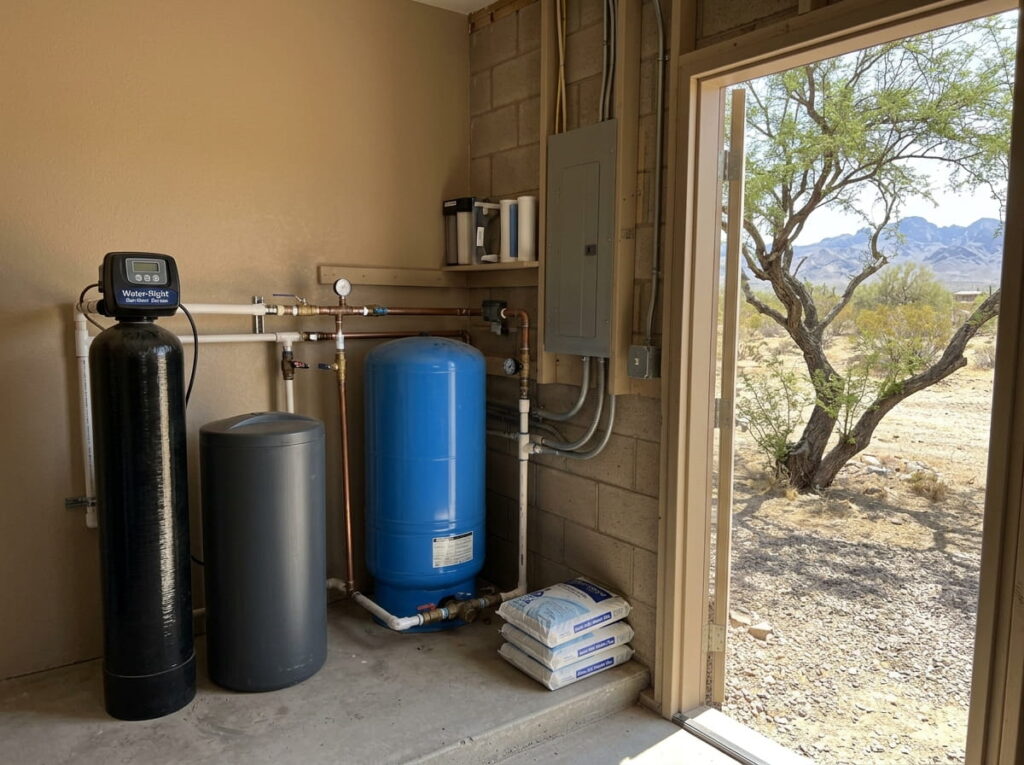
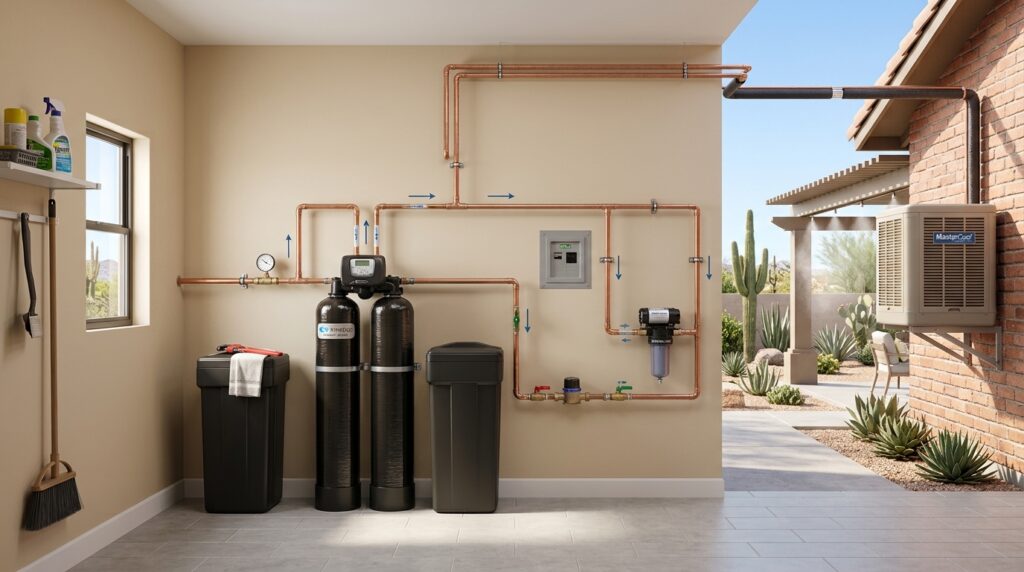
No two facilities are identical, so the right system depends on the building, the water source, and the number of residents. A comprehensive approach for water treatment nursing homes Tucson operators trust often combines several stages. Softening removes the hardness minerals that drive scale. Filtration addresses sediment, chlorine taste and odor, and other contaminants. Point of use purification, such as reverse osmosis at drinking and food prep stations, provides high quality water where it matters most.
Proper sizing is essential. A care facility uses water in large, variable volumes throughout the day, so the system must keep up during peak demand without falling behind. Undersized equipment leads to hardness breakthrough and inconsistent quality. A professional assessment ensures the system matches real demand, which is why a proper facility audit is the right first step.
Compliance, Documentation, and Peace of Mind
Care facilities operate under oversight that expects safe, well managed building systems, including water. While specific requirements vary and should be confirmed with the appropriate authorities, the practical reality is that inspectors and families alike expect a facility to take water safety seriously.
A professionally maintained water treatment system supports that expectation. Regular service creates a record of testing, maintenance, and attention that demonstrates diligence. Consistent water quality reduces the chance of a problem that could put residents at risk or draw regulatory scrutiny. When you can show that your water system is professionally treated, monitored, and maintained, you are protecting both your residents and your facility’s standing. That documented care is one of the quiet but real benefits of a strong water treatment nursing homes Tucson program.
The Role of Ongoing Maintenance
Installing a system is only the beginning. In a demanding commercial environment, maintenance is what keeps water quality reliable. Softeners need salt and periodic checks, filters need replacement on schedule, and reverse osmosis systems need service to keep producing clean water. Skipping maintenance in a care setting is not just a cost risk, it is a safety risk.
A scheduled service plan takes that burden off already busy facility staff. A professional partner monitors performance, replaces media and filters on time, and catches small issues before they become failures. Understanding the long term effects of skipping water system maintenance makes clear why a proactive plan is essential for any care facility.
Protecting Residents’ Everyday Comfort
Beyond safety and compliance, treated water simply improves daily life for residents. Softer water is gentler on aging skin, which is a real comfort concern for older adults. Better tasting drinking water encourages residents to stay hydrated, which supports their health. Cleaner dishes, softer laundry, and reliable hot water all contribute to a more comfortable, dignified environment.
These everyday improvements are easy to overlook, but for residents and their families they signal a facility that pays attention to details. That is another reason water treatment nursing homes Tucson families notice is worth the investment.
Frequently Asked Questions
Why do nursing homes need commercial water treatment instead of a home style system?
Care facilities use water in far larger and more variable volumes than a home, and they serve vulnerable people. That demands properly sized commercial equipment built for continuous heavy use, with the capacity to maintain quality during peak times. A residential system simply cannot keep up.
How does water treatment help with Legionella risk?
Treatment is one part of a broader water management approach. Controlling scale keeps pipes and heaters cleaner, reducing the surfaces where bacteria can shelter, and well maintained equipment makes it easier to keep the system in safe operating condition. A facility should combine treatment with a complete water management program.
Does hard water really damage commercial equipment that much?
Yes. Scale from hard water builds up in water heaters, boilers, dishwashers, ice machines, and laundry equipment, cutting efficiency and shortening lifespan. In a facility running this equipment all day, the damage and added energy cost add up quickly, which is why softening protects your budget.
What kind of water treatment system does a care facility need?
It varies by building and water source, but a comprehensive setup often combines softening, filtration, and point of use reverse osmosis for drinking and food prep. Proper sizing for peak demand is essential. A professional audit determines the right combination.
How often should a nursing home’s water system be serviced?
Because of heavy use and safety stakes, care facilities benefit from a regular, documented service plan rather than occasional attention. A professional partner replaces filters and media on schedule and monitors performance, keeping quality reliable and creating a maintenance record.
Can water treatment help with regulatory compliance?
A professionally installed and maintained system supports compliance efforts by helping keep water quality consistent and by creating documentation of testing and maintenance. Specific requirements should be confirmed with the appropriate authorities, but demonstrated diligence is always valuable.
Does treated water improve residents’ comfort?
Yes. Softer water is gentler on sensitive skin, better tasting water encourages hydration, and cleaner dishes and laundry improve the overall environment. These everyday improvements matter to residents and their families.
How do we get started with water treatment for our facility?
The best first step is a professional facility audit that evaluates your water source, plumbing, equipment, and demand. From there, a provider can design a system sized and configured for your specific needs and set up a maintenance plan.
Schedule a Care Facility Audit
Protecting residents starts with understanding your building’s water. If you operate a nursing home or assisted living community in the Tucson area, a professional audit is the fastest way to identify risks, protect your equipment, and build a water system you can stand behind. Desert Water Services provides commercial water treatment in Tucson designed for the demands of care facilities. Contact us to schedule a care facility audit and give your residents the safe, reliable water they deserve.