Water system maintenance in Tucson starts with a simple question that more homeowners are asking every year: how do I reduce salt discharge from my water softener without giving up soft water? If you own a traditional ion exchange softener, every regeneration cycle sends a measure of salty brine down the drain. In a desert city where water is precious and drains often connect to septic systems or sensitive soil, learning to reduce salt discharge water softener Tucson owners rely on is both an environmental win and a way to lower your monthly salt costs. The good news is that you have real control over how much salt your system uses, and most of the fixes are things you can do this week.
This guide walks through why salt discharge happens, how much your system is likely using, and the practical steps that reduce salt discharge water softener Tucson households can put into action right away.
Why Water Softeners Discharge Salt in the First Place
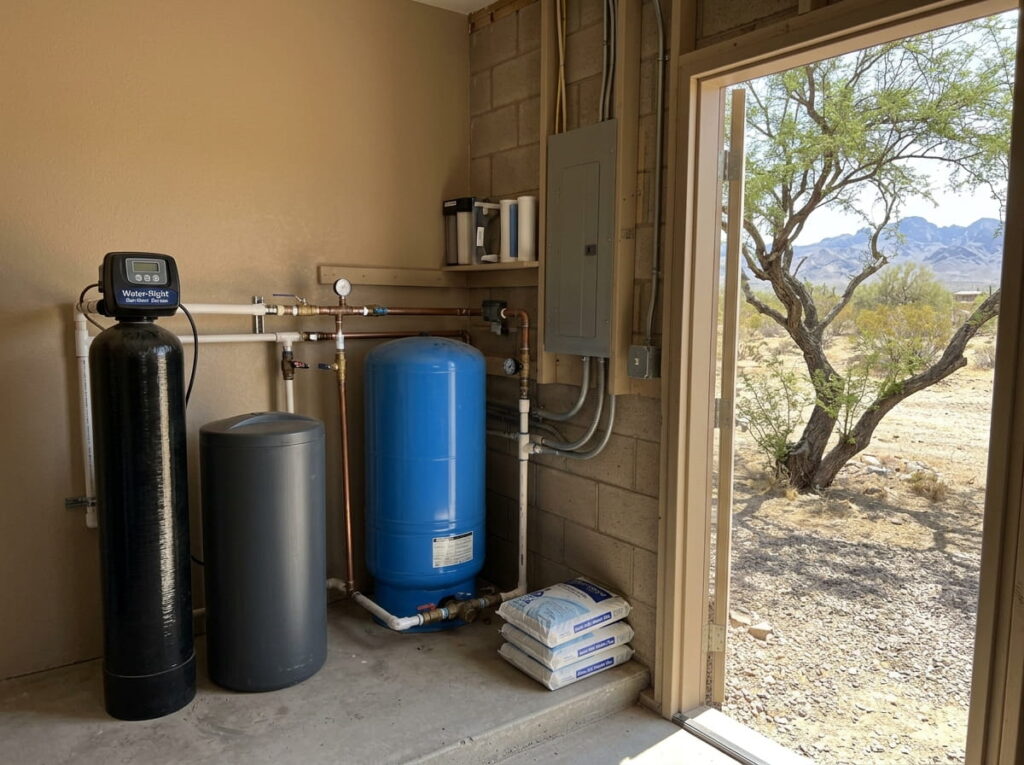
A standard softener works by pulling hardness minerals like calcium and magnesium out of your water and holding them on a bed of resin beads. Those beads eventually fill up, so the system flushes itself clean with a strong salt brine. That flush, called regeneration, is where salt discharge comes from. The brine rinses the hardness minerals off the resin and carries both the minerals and the leftover salt out through the drain line.
Tucson water is naturally hard, which means your resin loads up faster than it would in a soft water region. Harder water plus frequent regeneration equals more salt use and more discharge. Understanding this cycle is the foundation for every method below, because to reduce salt discharge water softener Tucson homeowners need to change how often and how efficiently that regeneration happens.
Step One: Switch to a Metered, Demand-Initiated System
The single biggest way to reduce salt discharge is to stop regenerating on a fixed timer. Older softeners regenerate on a clock, say every three days, whether or not the resin is actually exhausted. That wastes salt and water on days when your household used very little.
A metered or demand-initiated softener measures the actual gallons you use and only regenerates when the resin truly needs it. During a slow week, or when you travel, the system simply waits. Many Tucson homeowners see salt use drop noticeably after upgrading from a timer to a metered valve, because the system stops throwing brine down the drain on schedule for no reason. If your current unit still runs on a timer, upgrading the control valve is often the highest impact change you can make.
Step Two: Set the Salt Dose Correctly
Every softener lets you adjust how much salt it uses per regeneration. Many units come from the factory set to a high salt dose, which gives maximum capacity but poor efficiency. Dialing the dose down to a moderate setting can dramatically reduce salt discharge while still delivering soft water for a normal household.
The trade off is capacity. A lower salt setting means each regeneration restores slightly less resin capacity, so the system may regenerate a bit more often. Even so, the total salt used per week usually drops because you are no longer over-salting each cycle. A professional can calculate the ideal balance for your hardness level and family size, which is one reason regular water system maintenance pays off. If you want help finding that sweet spot, the team at Desert Water Services can tune your settings during a service visit.
Step Three: Test Your Water Hardness and Program for It
You cannot set an efficient softener if you do not know your real hardness number. Programming a softener for water that is harder than yours wastes salt on every cycle. Get an accurate hardness reading, then match the softener setting to it precisely.
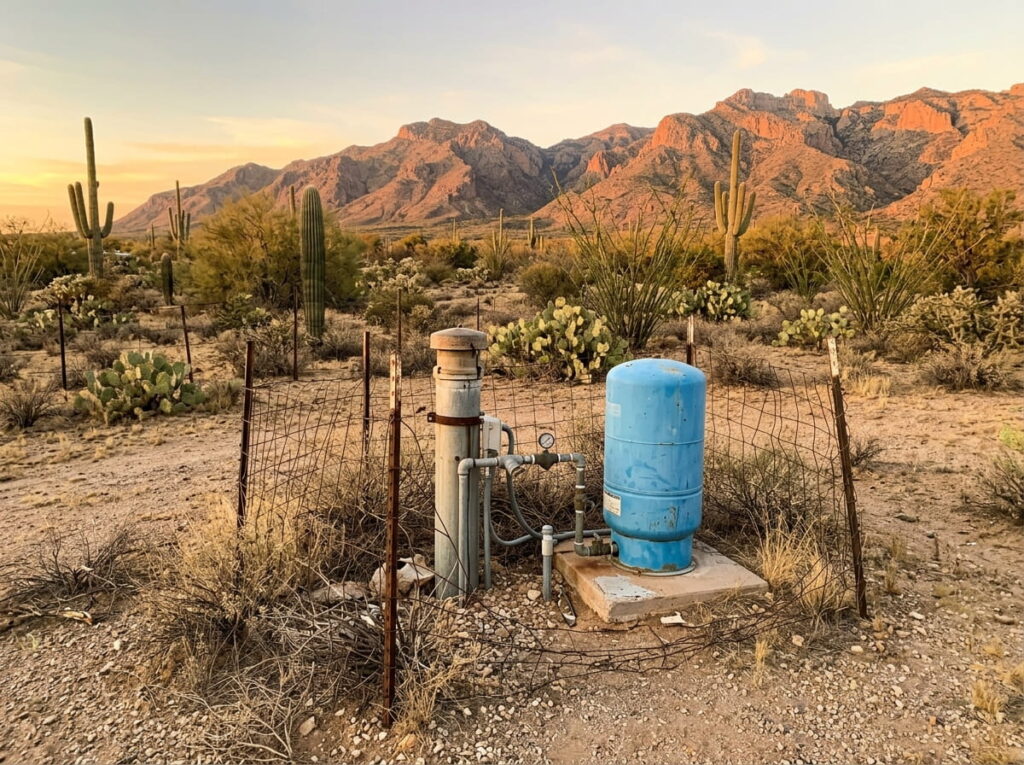
Tucson hardness can vary by neighborhood and by whether your home is on municipal water or a private well. Testing removes the guesswork. You can start with a home test, but a professional test gives you a reliable baseline you can program against. Once you know your number, you can reduce salt discharge water softener Tucson systems produce simply by not asking the unit to work harder than your water requires. For a professional reading, see the options for water testing in Tucson and learn how to read your Tucson water quality report like a pro.
Step Four: Keep the Brine Tank Clean and Healthy
A neglected brine tank quietly ruins efficiency. Salt bridges, which are hard crusts of salt that form above the water line, can trick the system into regenerating with little or no actual brine, so the resin never fully cleans and hardness starts slipping through. That often leads homeowners to crank the salt dose up, which increases discharge.
Break up any salt bridges you find, clear out the mushy salt residue at the bottom of the tank once or twice a year, and use a clean, high quality salt. Consistent brine tank care keeps the whole system running at its designed efficiency, and it is a core part of routine water system maintenance in Tucson. Skipping this work is one of the long term effects of skipping water system maintenance that quietly drives up both salt use and repair bills.
Step Five: Choose the Right Salt
Salt type matters more than most people expect. Evaporated salt pellets tend to be very pure, which means less residue in the tank and fewer clogs in the brine line. Cheaper rock salt carries more impurities that settle out and gum up the system over time, forcing extra maintenance and sometimes extra regenerations.
Cleaner salt keeps the injector, the brine line, and the resin bed working the way they should, so the system uses only what it needs. For a home working to reduce salt discharge, spending a little more on high purity salt often lowers total salt use in the long run.
Step Six: Consider High Efficiency and Alternative Systems
If you are ready for a bigger step, modern high efficiency softeners use counter current regeneration and smarter brining to cut salt use compared with older designs. Some Tucson homeowners also look at systems engineered specifically for the demands of southwestern water, which are built to deliver soft water while using less salt per cycle.
There are also salt free water conditioners. These do not soften water in the true sense, since they do not remove hardness minerals, but they change how those minerals behave so they build up less scale. Because they use no salt and no regeneration, they produce no salt discharge at all. They are not right for every situation, especially very hard water or homes that want the classic slick feel of softened water, but they are worth understanding. If you are weighing your options, compare a water softener versus a water conditioner before deciding.
Step Seven: Reclaim and Redirect Where Allowed
Some homeowners reduce the environmental impact of discharge by directing suitable waste water to approved locations rather than sensitive landscaping. Never route brine onto plants or gardens, since the salt harms soil and roots. Always follow local codes and your septic guidelines. If your home is on a septic system, efficient salt use is even more important, because excess brine can disrupt the bacteria your septic tank depends on. Reducing the amount of salt discharge at the source is the cleanest solution, which brings every tip in this guide back to efficiency.
How Much Can You Realistically Save?
When you combine metered regeneration, a correct salt dose, accurate hardness programming, and a clean brine tank, most households cut their salt use meaningfully compared with a poorly tuned timer based system. That means fewer bags of salt to haul, less brine going down the drain, and a softener that runs cleaner for longer. The exact savings depend on your water, your habits, and your equipment, which is why a professional tune up is the fastest way to know what your specific system can achieve.
When to Call a Professional
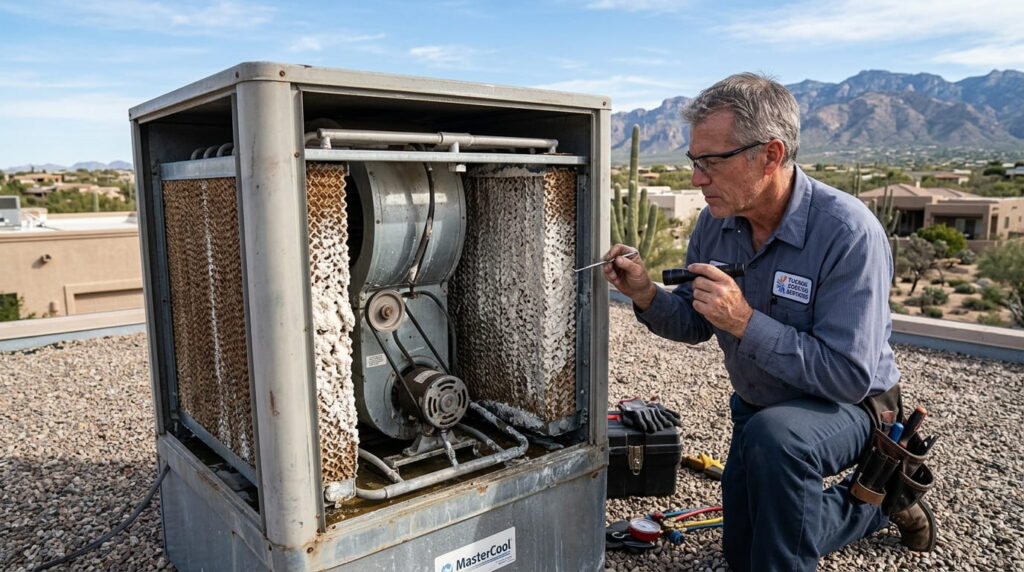
If you have adjusted your settings and still see high salt use, hardness slipping through, or a brine tank that never seems to draw down properly, it is time for a service visit. A technician can check the injector, the resin condition, the control valve, and the drain line, then reprogram the system for maximum efficiency. Regular professional attention is the surest path to reduce salt discharge water softener Tucson homes generate year after year. You can schedule a checkup through Desert Water Services water system maintenance.
Frequently Asked Questions
How much salt should a water softener use per month in Tucson?
It depends on your hardness level, household size, and how the unit is programmed, so there is no single right number. A well tuned metered softener in an average home uses far less salt than an older timer based unit set to a high dose. The best way to know your ideal amount is to have your hardness tested and your settings matched to it.
Does reducing salt dose mean my water will not be soft?
Not if it is done correctly. A lower salt dose restores slightly less resin capacity per cycle, so the system may regenerate a little more often, but your water stays soft. The goal is to stop over salting each regeneration, not to under treat your water.
Is a salt free conditioner better for the environment?
Salt free conditioners produce no brine discharge, which is a real environmental advantage, especially on septic systems. However, they do not remove hardness minerals, so they behave differently than a true softener. Whether one is right for you depends on your water and what you want from the system.
Can salt discharge hurt my septic system?
Excess brine can interfere with the bacteria that keep a septic tank working. Using an efficient, properly tuned softener reduces the amount of salt reaching your septic system, which helps protect it. This is one more reason to prioritize efficiency.
Why is my softener using more salt than it used to?
Common causes include a salt bridge in the brine tank, a dirty injector, an incorrect setting, or an aging resin bed. Any of these can force extra regenerations or waste salt each cycle. A maintenance visit can pinpoint the cause and restore efficiency.
Will cleaner salt really lower my discharge?
Higher purity salt leaves less residue, which keeps the brine line and injector clear and helps the system regenerate exactly as designed. Over time, cleaner operation usually means fewer problems and less wasted salt, so yes, salt quality matters.
How often should I have my softener professionally serviced?
For most Tucson homes, an annual tune up keeps the system efficient and catches small problems before they grow. Homes with very hard water or heavy usage may benefit from more frequent checks. Regular service is the foundation of low salt, low hassle operation.
Can I convert my old timer softener to a metered one?
In many cases yes, by upgrading the control valve to a demand initiated model. This is often the single most effective change for cutting salt use. A professional can tell you whether your existing tank and resin are worth keeping or whether a full system upgrade makes more sense.
Take the Next Step Toward an Eco-Friendly Upgrade
Cutting salt use is good for your wallet, your septic system, and the desert environment we all share. If you want your softener running as efficiently as possible, start with an accurate hardness test and a professional tune up. The team at Desert Water Services can inspect your system, dial in your settings, and recommend an eco friendly upgrade path that fits your home. Reach out today to reduce salt discharge water softener Tucson families depend on, and enjoy soft water with a lighter footprint.