Hard water is one of the most common water quality problems homeowners face. From white mineral stains on faucets to dry skin, soap buildup, and reduced appliance efficiency, hard water can create daily challenges throughout your home.
When searching for a solution, many homeowners ask: Should I install a water softener or a water conditioner? While both systems improve water quality, they work differently and are designed to solve different water problems.
At Desert Water Services, we help homeowners identify their water quality issues and choose the right water treatment solution based on their home’s needs, water hardness level, lifestyle, and budget.
Understanding the difference between a water softener vs water conditioner can help you make an informed decision and invest in the best solution for cleaner, healthier, and better-quality water.
Understanding Hard Water Problems in Your Home
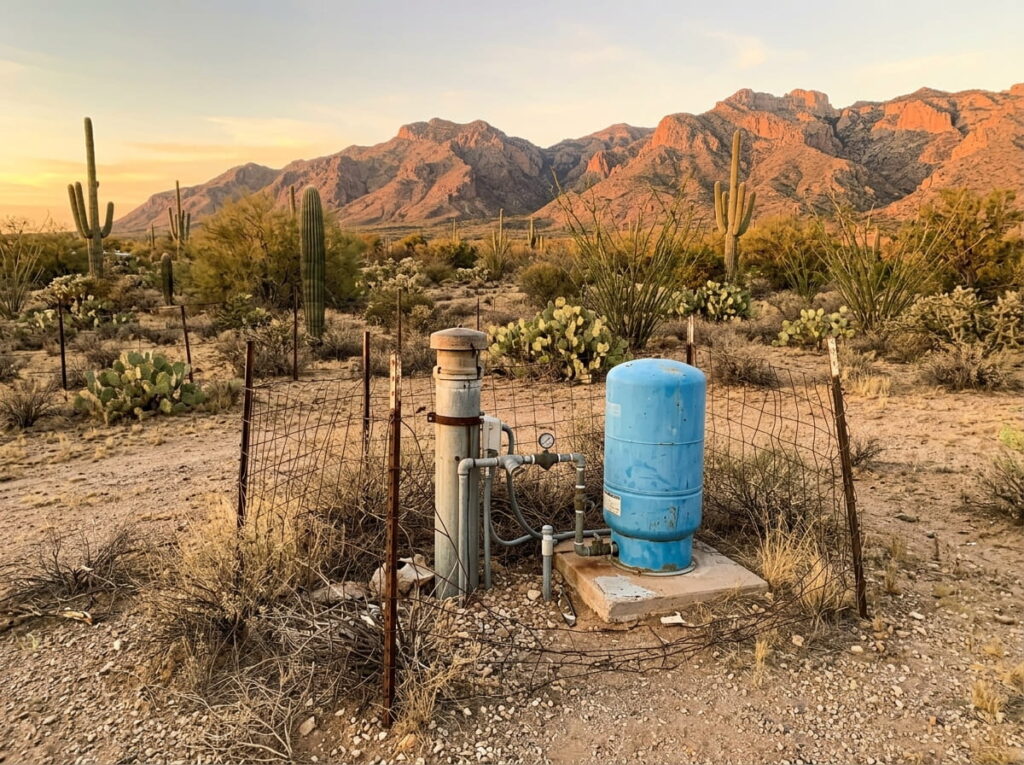
Hard water occurs when water contains high levels of minerals, mainly calcium and magnesium. As groundwater moves through rocks and soil, it naturally absorbs these minerals before entering your home’s water supply.
Although hard water is generally safe to drink, it can cause several problems that affect your plumbing, appliances, and daily routine.
Common signs of hard water include:
- White spots and mineral stains on faucets and sinks
- Soap scum buildup on showers and bathroom surfaces
- Difficulty creating soap lather
- Dry skin and rough hair after bathing
- Scale buildup inside pipes
- Reduced water heater efficiency
- Shorter lifespan of appliances
- Increased cleaning time and expenses
Over time, untreated hard water can lead to expensive repairs and higher household maintenance costs. Installing the right water treatment system can help protect your home and improve your overall water quality.
What Is a Water Softener?
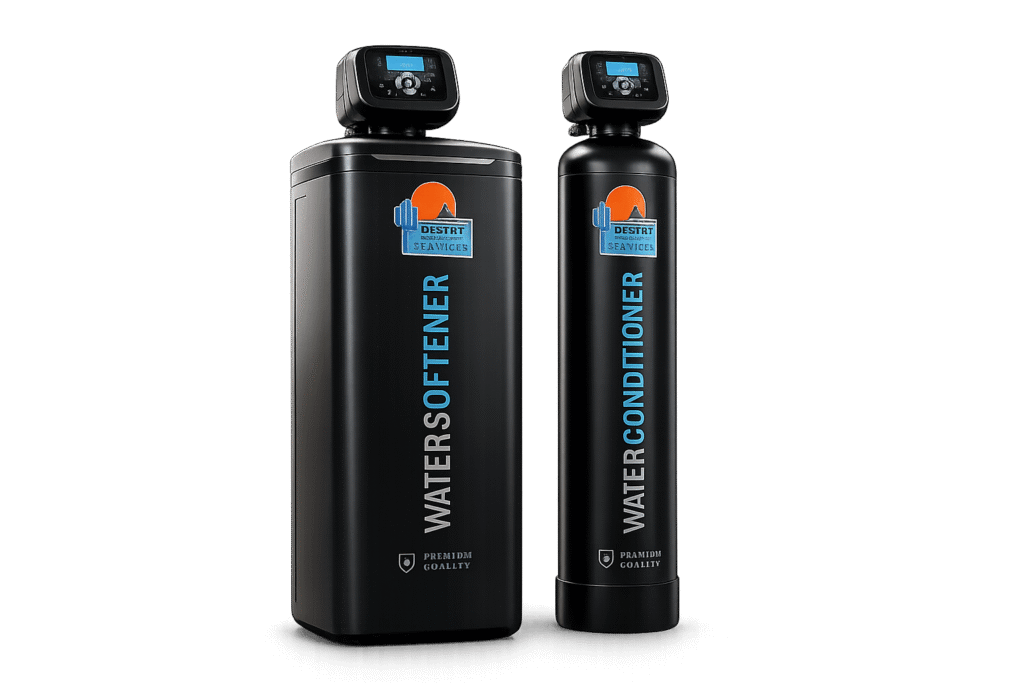
A water softener is a water treatment system designed to remove hardness-causing minerals such as calcium and magnesium from your water supply.
Most traditional water softeners use a process called ion exchange technology. During this process, hard water passes through resin beads that attract calcium and magnesium minerals. These minerals are replaced with sodium or potassium ions, creating softened water.
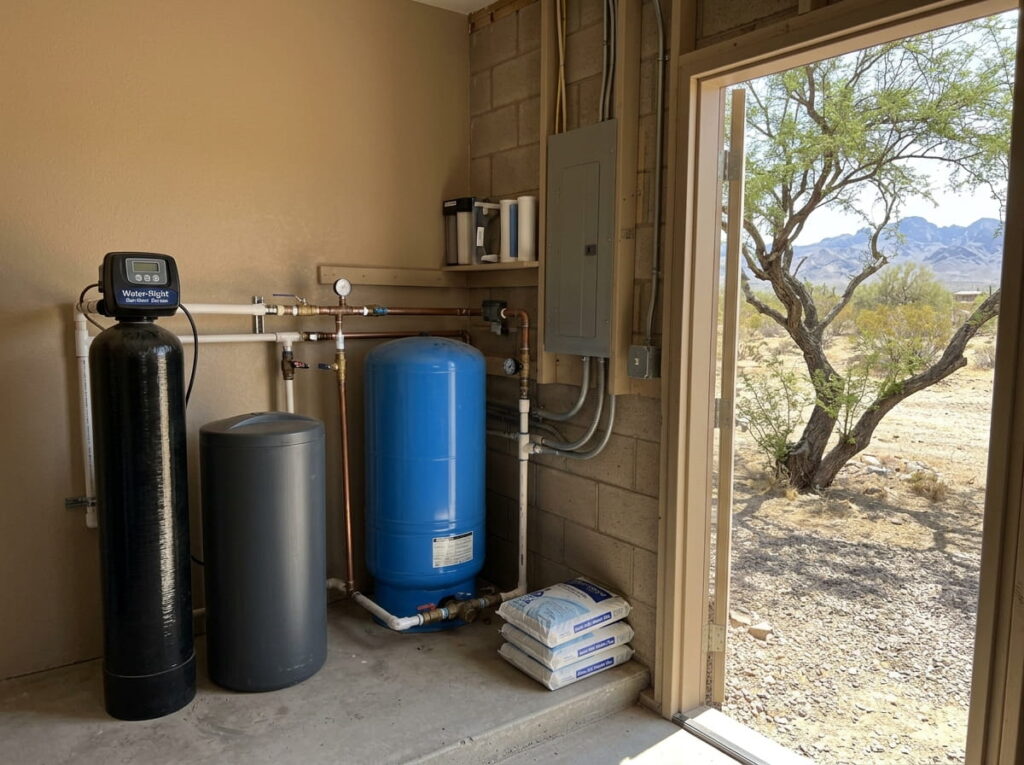
A typical water softener system includes:
- A mineral tank containing resin beads
- A brine tank containing salt or potassium
- A control valve that manages regeneration cycles
The main purpose of a water softener system is to eliminate hard water minerals and prevent scale buildup throughout your home.
Benefits of Installing a Water Softener
1. Reduces Hard Water Scale
One of the biggest advantages of a water softener is its ability to reduce mineral deposits. Soft water helps prevent white stains on sinks, faucets, shower doors, and other surfaces.
2. Protects Plumbing Systems
Calcium and magnesium buildup can accumulate inside pipes over time. A water softener helps minimize scale formation and supports better water flow.
3. Improves Appliance Efficiency
Hard water can affect appliances such as:
- Water heaters
- Dishwashers
- Washing machines
- Coffee makers
Soft water helps appliances operate more efficiently and may extend their lifespan.
4. Provides Softer Skin and Hair
Many homeowners notice improvements in their skin and hair after switching to softened water. Since soap works better with soft water, it can help create a cleaner and smoother bathing experience.
What Is a Water Conditioner?
A water conditioner is a system designed to improve water quality without completely removing hardness minerals.
Unlike water softeners, water conditioners do not use ion exchange to remove calcium and magnesium. Instead, they use technologies such as:
- Template Assisted Crystallization (TAC)
- Filtration systems
- Scale control methods
A water conditioner changes the behavior of minerals in water, making them less likely to attach to surfaces and create stubborn scale deposits.
A water conditioner does not produce completely soft water, but it can help reduce the negative effects of hard water.
Benefits of Installing a Water Conditioner
1. Salt-Free Water Treatment
Many water conditioners are salt-free, making them an attractive option for homeowners who want a low-maintenance water treatment system.
2. Lower Maintenance Requirements
Unlike traditional water softeners, many water conditioners do not require:
- Salt replacement
- Regeneration cycles
- Brine tank maintenance
This makes them easier to manage.
3. Environmentally Friendly Option
Salt-free water conditioners typically use less water and do not discharge wastewater during regeneration, making them a more eco-friendly choice.
4. Keeps Natural Minerals in Water
A water conditioner allows beneficial minerals like calcium and magnesium to remain in your water while helping reduce scale-related problems.
Water Softener vs Water Conditioner: Key Differences
Understanding the difference between a water softener vs water conditioner helps homeowners choose the right system.
| Feature | Water Softener | Water Conditioner |
|---|---|---|
| Mineral Removal | Removes calcium and magnesium | Does not remove minerals |
| Technology | Ion exchange | Scale control and filtration |
| Water Feel | Creates softer-feeling water | Keeps natural water feel |
| Salt Usage | Usually requires salt | Usually salt-free |
| Maintenance | Requires regular maintenance | Requires less maintenance |
| Scale Protection | Strong protection | Helps reduce scale |
| Best For | Very hard water problems | Mild to moderate scale issues |
Which System Is Better for Your Home?
The right choice depends on your home’s water quality, hardness level, and personal preferences.
Choose a Water Softener If:
A water softener may be the better option if you experience:
- Extremely hard water
- Heavy mineral buildup
- Frequent white stains
- Dry skin and hair problems
- Plumbing scale issues
- Appliance damage caused by hard water
A water softener provides the strongest solution because it actually removes hardness minerals.
Choose a Water Conditioner If:
A water conditioner may be the right choice if you want:
- A salt-free system
- Less maintenance
- An environmentally friendly solution
- Reduced scale buildup without removing minerals
Water conditioners are ideal for homeowners who want water improvement without traditional softening.
Factors to Consider Before Choosing a Water Treatment System
Test Your Water Quality
Before choosing between a water softener and water conditioner, perform a water test to determine your hardness level.
Consider Your Household Water Usage
Larger families typically require systems with higher capacity to handle daily water demand.
Evaluate Maintenance Requirements
Consider whether you prefer:
- Maximum mineral removal with regular maintenance
- A low-maintenance scale control solution
Consider Long-Term Costs
Look at:
- Installation costs
- Maintenance expenses
- Salt requirements
- System lifespan
A professional water treatment company can help you select the best option.
Why Choose Desert Water Services?
Selecting the right water treatment system is only part of the process. Professional installation ensures your system performs efficiently and provides long-term benefits.
At Desert Water Services, we provide customized water treatment solutions designed around your home’s specific needs.
Our experts help homeowners:
- Test water quality
- Identify hard water problems
- Compare water treatment options
- Install reliable water systems
- Improve overall home water quality
Whether you need a water softener, water conditioner, or complete water treatment solution, Desert Water Services can help you find the right system.
Final Thoughts: Water Softener vs Water Conditioner
When comparing a water softener vs water conditioner, there is no single solution that works for every home.
A water softener is the best choice for homeowners who need maximum protection against hard water minerals and scale buildup.
A water conditioner is a great option for homeowners who want a salt-free, low-maintenance solution to control mineral effects.
The best way to choose the right system is to understand your water quality and work with experienced professionals like Desert Water Services.
With the right water treatment system, you can enjoy cleaner water, protected appliances, and improved comfort throughout your home.
Frequently Asked Questions
1. What is the difference between a water softener and a water conditioner?
A water softener removes calcium and magnesium minerals from water, while a water conditioner reduces the effects of these minerals without removing them.
2. Is a water softener better than a water conditioner?
A water softener is better for homes with very hard water and heavy mineral buildup. A water conditioner is better for homeowners looking for a low-maintenance solution.
3. Does a water conditioner remove hard water?
No, a water conditioner does not remove hardness minerals. Instead, it helps control scale formation caused by those minerals.
4. Does a water softener remove all minerals from water?
A water softener mainly removes hardness minerals like calcium and magnesium. It does not remove all minerals or contaminants from water.
5. Does a water softener require salt?
Most traditional water softeners require salt or potassium to regenerate the resin beads and continue removing hardness minerals.
6. Are salt-free water conditioners effective?
Salt-free water conditioners can be effective at reducing scale buildup, especially in homes with mild to moderate hard water problems.
7. How do I know if my home needs a water softener?
Signs that you may need a water softener include white stains, soap scum, dry skin, mineral buildup, and reduced appliance performance.
8. How long does a water softener last?
A properly maintained water softener can typically last 10 to 15 years or longer depending on usage and maintenance.
9. Can a water conditioner protect my appliances?
Yes, a water conditioner can help reduce scale buildup that affects appliances, although it does not provide the same level of mineral removal as a water softener.
10. Which water treatment system should I install for my home?
The best system depends on your water hardness level, budget, maintenance preferences, and household needs. A professional water test can help determine the right option.