If you’re considering a Home Water Treatment System Tucson, it’s important to understand both the benefits and the potential drawbacks of a whole house water filter. While these systems provide clean, filtered water throughout your home, they are not a one-size-fits-all solution. Like any home improvement investment, whole house water filtration systems have advantages and disadvantages. By learning about the possible limitations, homeowners can make informed decisions and choose the right system for their water quality needs and budget.
What Is a Whole House Water Filter?
A whole house water filter is installed where the main water line enters your home. Instead of filtering water at a single faucet, it treats all the water flowing to your kitchen, bathrooms, laundry room, showers, and outdoor faucets.
A professionally installed Home Water Treatment System Tucson can improve water quality throughout your home by reducing chlorine, sediment, rust, unpleasant odors, and many other contaminants.
Why Homeowners Choose Whole House Water Filters
Whole house filtration systems offer several important benefits.
These include:
- Cleaner drinking water
- Better tasting water
- Reduced chlorine odor
- Cleaner showers
- Longer appliance lifespan
- Protection for plumbing fixtures
- Reduced sediment buildup
- Improved laundry quality
Although these benefits are significant, it’s also important to understand the disadvantages before making a purchase.
Higher Initial Installation Cost
One of the biggest disadvantages of a whole house water filter is the upfront investment.
Unlike countertop filters or pitcher filters, whole house systems require professional installation and larger filtration equipment.
Costs may include:
- Filtration unit
- Installation labor
- Plumbing modifications
- Additional valves
- Replacement cartridges
However, many homeowners find that the long-term savings on bottled water, plumbing repairs, and appliance maintenance outweigh the initial expense.
Choosing a professionally installed Home Water Treatment System Tucson helps ensure the system performs efficiently for many years.
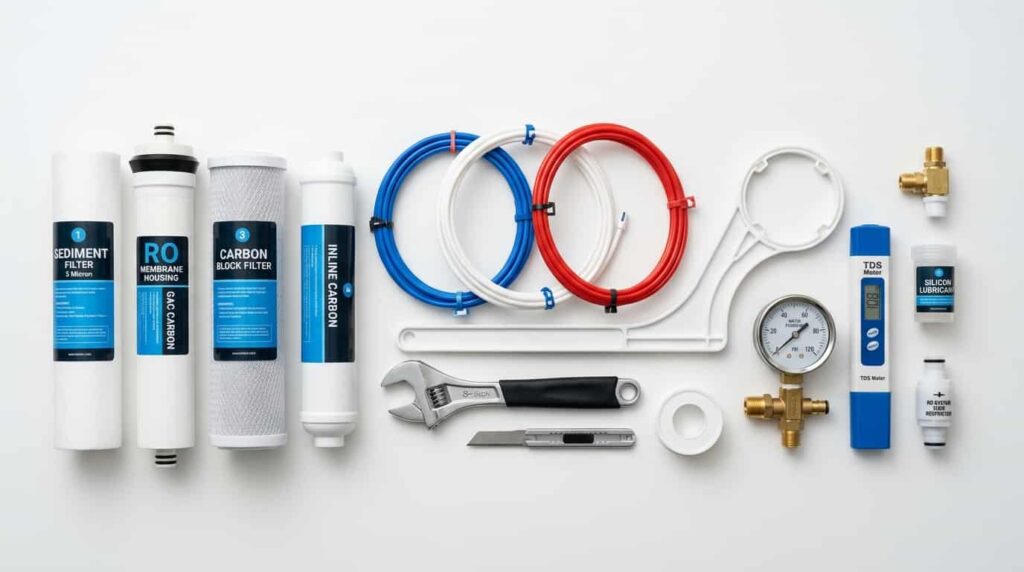
Regular Filter Replacement
Every filtration system requires maintenance.
Whole house filters gradually collect sediment, chlorine, and contaminants until they become saturated.
Depending on water quality and household usage, filters usually need replacement every 3 to 12 months.
Ignoring filter replacement can result in:
- Reduced water pressure
- Poor filtration performance
- Bad taste
- Unpleasant odors
- Increased wear on plumbing
Routine maintenance is essential for keeping your system operating properly.
Does Not Remove Every Contaminant
Many homeowners assume that one filter removes every possible contaminant.
In reality, different filtration technologies remove different substances.
For example:
- Carbon filters remove chlorine and odors.
- Sediment filters remove dirt and rust.
- Water softeners reduce hardness minerals.
- Reverse osmosis removes dissolved solids.
- UV systems destroy bacteria and viruses.
A standard whole house filter alone may not remove every contaminant in your local water supply.
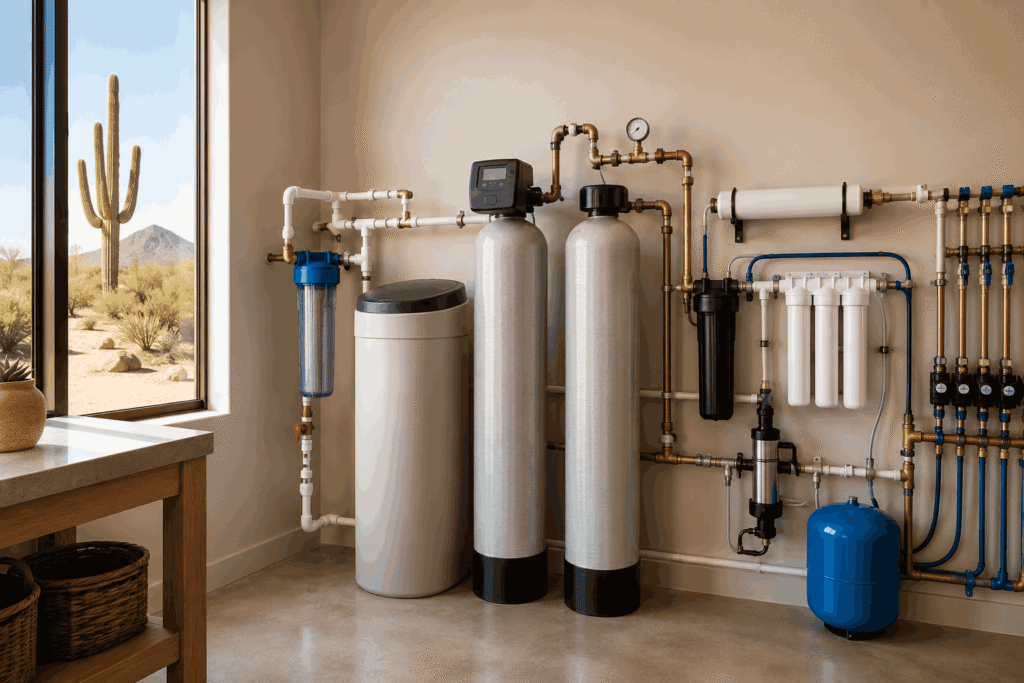
This is why many professionals recommend combining multiple filtration technologies within a complete Home Water Treatment System Tucson.
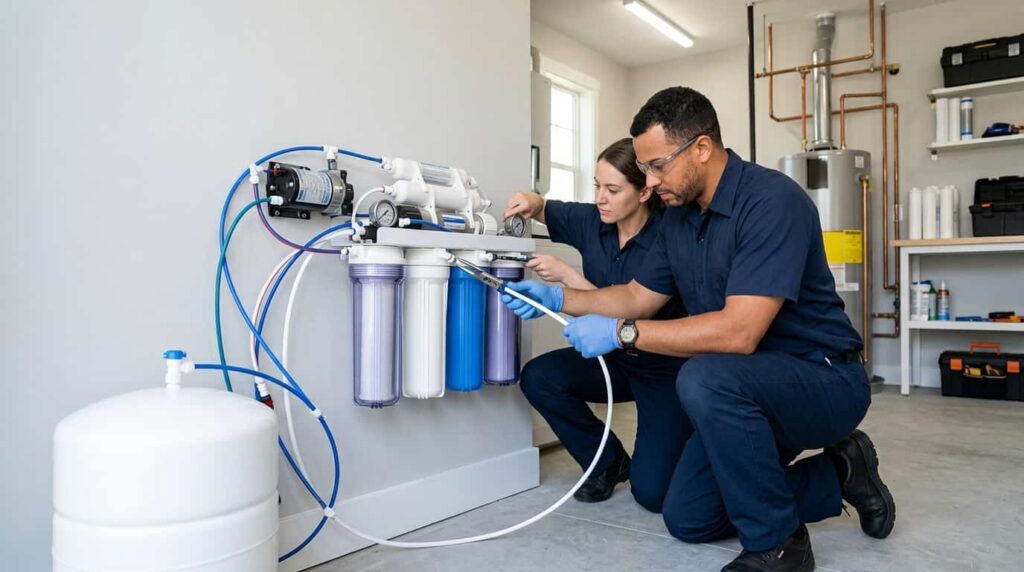
Requires Professional Installation
Unlike faucet-mounted filters, whole house systems connect directly to your home’s plumbing.
Professional installation helps ensure:
- Proper water flow
- Leak-free connections
- Correct filter sizing
- Safe plumbing installation
- Manufacturer warranty compliance
Improper installation can reduce system performance and increase repair costs.
Space Requirements
Whole house filtration systems require adequate installation space.
Depending on the equipment, homeowners may need room for:
- Filter housings
- Water softeners
- Reverse osmosis tanks
- UV purification units
- Shutoff valves
Smaller utility rooms may require careful planning before installation.
Ongoing Maintenance Costs
Although maintenance is generally affordable, homeowners should expect ongoing expenses.
Typical maintenance includes:
- Replacement filters
- Annual inspections
- Sanitizing components
- Water testing
- Occasional repairs
Routine maintenance helps maximize system efficiency and equipment lifespan.
Reduced Water Pressure
A clogged or undersized filtration system may reduce water pressure.
Several factors contribute to pressure loss:
- Dirty filters
- High household water usage
- Improper sizing
- Mineral buildup
- Aging equipment
Professional installers calculate the correct system size to minimize pressure issues.
Some Systems Waste Water
Reverse osmosis systems produce exceptionally clean drinking water but also generate wastewater during the purification process.
Modern high-efficiency systems waste less water than older models, but homeowners should still understand this limitation when selecting equipment.
Hard Water May Still Require a Water Softener
A common misconception is that whole house filters solve hard water problems.
Most standard filters remove sediment and chlorine but do not eliminate calcium and magnesium.
If hard water is a concern in Tucson, adding a water softener to your Home Water Treatment System Tucson is often the best solution.
Filter Performance Depends on Local Water Quality
Water quality varies from one neighborhood to another.
Some homes have:
- Hard water
- High sediment
- Chlorine
- Iron
- Sulfur odors
- Elevated mineral content
A professional water analysis helps determine which filtration components are necessary.
Not Every Home Needs an Expensive System
Some homeowners purchase oversized systems with features they rarely use.
The best approach is selecting a filtration system that matches your actual water quality rather than buying the most expensive model available.
A water quality test can prevent unnecessary expenses while ensuring excellent filtration.
Advantages Still Outweigh the Disadvantages
Although whole house water filters have some limitations, many homeowners believe the advantages far exceed the disadvantages.
Major benefits include:
- Cleaner water throughout the home
- Better tasting drinking water
- Improved appliance lifespan
- Reduced plumbing repairs
- Less chlorine exposure
- Cleaner laundry
- Better shower experience
- Increased home value
When properly selected and maintained, a Home Water Treatment System Tucson provides long-term value and dependable performance.
Tips for Choosing the Right Whole House Water Filter
Before purchasing a system, consider these recommendations:
- Test your water first.
- Choose certified filtration equipment.
- Match the system to your household size.
- Consider future maintenance costs.
- Work with experienced installers.
- Replace filters on schedule.
- Schedule annual inspections.
- Select expandable systems if your needs may change.
These steps help ensure your investment delivers the best possible results.
Final Thoughts
Whole house water filters provide cleaner, healthier water throughout your home, but they also come with certain disadvantages such as higher installation costs, ongoing maintenance, filter replacement, and the need for additional treatment systems in some situations. Understanding these limitations allows homeowners to make informed decisions and select equipment that matches their specific water quality needs. A professionally installed Home Water Treatment System Tucson offers reliable filtration, protects your plumbing and appliances, and delivers long-term value when properly maintained.
FAQs
Q1. What are the disadvantages of a whole house water filter?
The main disadvantages include higher installation costs, routine filter replacements, maintenance requirements, space needs, and the possibility of needing additional filtration systems for certain contaminants.
Q2. Is a Home Water Treatment System Tucson worth the investment?
Yes. For many homeowners, improved water quality, healthier drinking water, and protection for plumbing and appliances make it a worthwhile long-term investment.
Q3. Do whole house water filters remove hard water?
Most standard whole house filters do not remove hardness minerals. A water softener is typically required to address hard water.
Q4. How often should whole house water filters be replaced?
Most filters should be replaced every 3 to 12 months, depending on water quality, filter type, and household water usage.
Q5. Can a whole house filter reduce water pressure?
Yes. Dirty filters or improperly sized systems can reduce water pressure, but proper maintenance and professional installation help prevent this issue.
Q6. Do whole house filters remove bacteria and viruses?
Not all systems do. UV purification or specialized filtration technologies may be needed to eliminate microorganisms.
Q7. Will a whole house water filter improve appliance lifespan?
Yes. Cleaner water reduces sediment and mineral buildup, helping appliances operate more efficiently and last longer.
Q8. Can a Home Water Treatment System Tucson improve drinking water taste?
Yes. Many systems reduce chlorine, sediment, and odors, resulting in fresher, better-tasting water.
Q9. Is professional installation recommended for whole house water filters?
Yes. Professional installation ensures proper sizing, leak-free connections, correct water flow, and reliable long-term performance.
Q10. How do I know which whole house water filter is right for my home?
A professional water quality test can identify contaminants and help determine the most effective filtration system for your household.