Clean, great-tasting water is an important part of a healthy and comfortable home. In Tucson, homeowners often deal with water that contains dissolved minerals, sediment, chlorine, and other substances that can affect taste, odor, and the overall quality of drinking water. A properly installed reverse osmosis system can provide an effective way to improve the quality of water used for drinking and cooking.
Reverse osmosis works by pushing water through a specialized semipermeable membrane. The membrane allows water molecules to pass while reducing many dissolved contaminants and impurities. Because Tucson properties can have different water-quality concerns, choosing the right filtration setup and keeping it properly maintained are both important.
For homeowners who want dependable drinking water without constantly purchasing bottled water, professional Reverse Osmosis Services in Tucson can be a practical long-term solution. From system installation and filter replacement to troubleshooting and maintenance, professional service helps ensure that an RO system continues working efficiently.
What Is a Reverse Osmosis System?
A reverse osmosis system is a water purification system designed to reduce dissolved substances from water. Unlike a basic sediment filter that mainly captures larger particles, an RO system uses several stages of filtration to address different types of impurities.
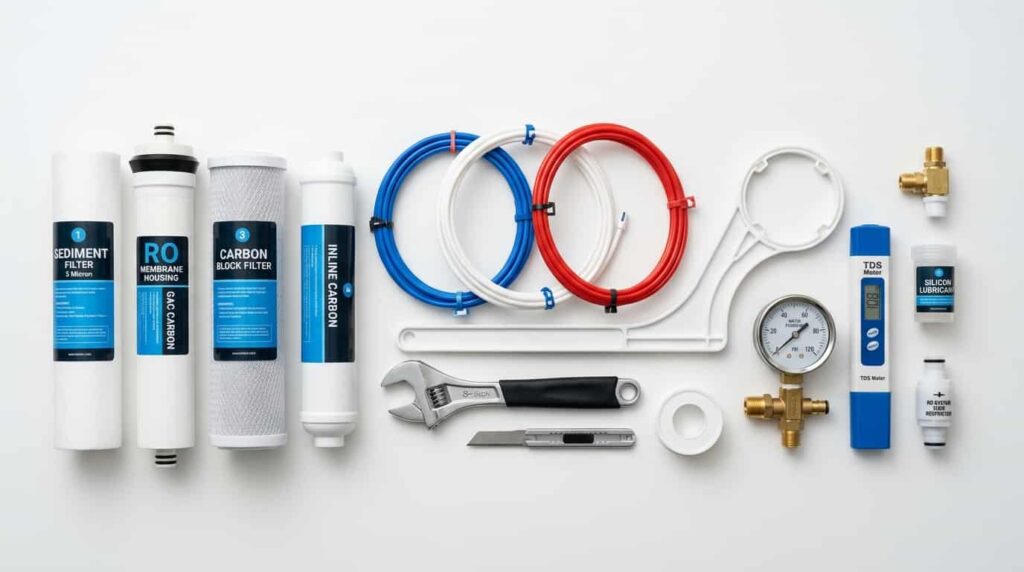
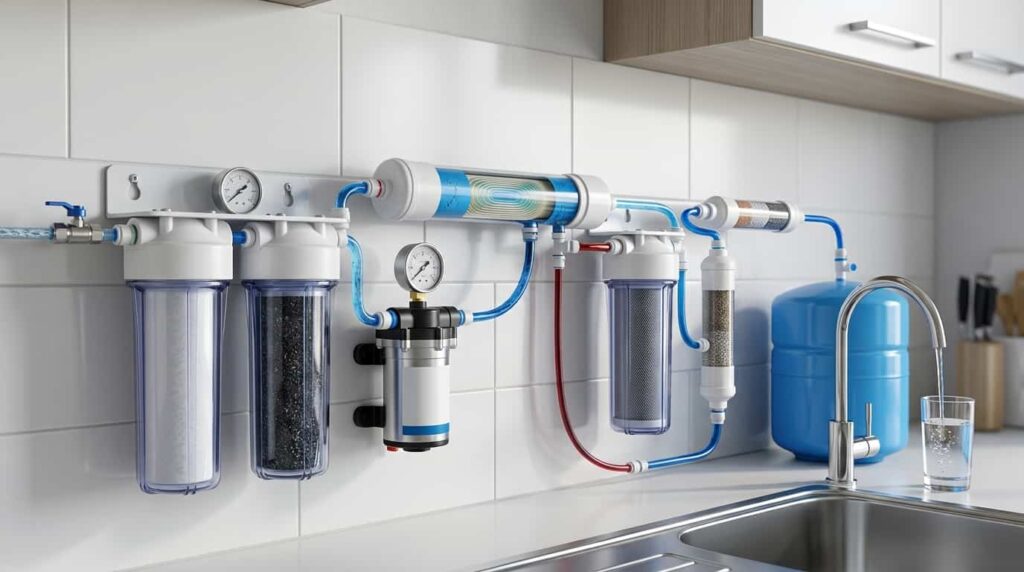
Most residential systems include a sediment pre-filter, carbon filters, a reverse osmosis membrane, and a post-filter. Some systems also include additional stages such as remineralization, ultraviolet treatment, or specialized filters depending on the quality of the incoming water.
The process begins when incoming water enters the pre-filter. Larger particles such as dirt, rust, and sediment are reduced before the water reaches the more sensitive components. Carbon filtration can then reduce chlorine and certain compounds that may affect taste and odor.
Next, water moves through the reverse osmosis membrane under pressure. This membrane has extremely small pores that allow water to pass through while reducing many dissolved contaminants. The purified water is stored in a tank until it is needed.
A final post-filter can improve taste before the water reaches the faucet. Because each stage has a specific purpose, regular maintenance is essential to keep the entire system performing properly.
Why Tucson Homeowners Consider Reverse Osmosis
Water conditions can vary between neighborhoods and properties. Tucson’s desert environment, local water sources, plumbing infrastructure, and mineral content can all influence the way water tastes and behaves.
One common concern is hard water. Hard water contains minerals such as calcium and magnesium. While these minerals are not necessarily a health concern at normal levels, they can contribute to scale buildup on fixtures and appliances.
An RO system is generally installed at a specific drinking-water point rather than treating every gallon used throughout the home. This makes it particularly useful for drinking water, cooking, coffee makers, ice machines, and other applications where water quality and taste matter.
Homeowners may also choose RO filtration because they prefer the taste of filtered water. Chlorine and dissolved minerals can influence the flavor of tap water. A properly maintained filtration system can provide cleaner-tasting water for everyday use.
For households that rely heavily on bottled water, an RO system may also provide greater convenience. Instead of repeatedly buying, transporting, and storing bottles, homeowners can access filtered water directly from a dedicated faucet.
Common Signs Your RO System Needs Attention
Reverse osmosis systems require maintenance, and performance can gradually decline when filters or membranes become clogged or exhausted. Recognizing early warning signs can help homeowners avoid more significant problems.
One common sign is a change in water taste. If water begins tasting different from when the system was first installed, the filters may need replacement. A noticeable odor can also indicate that filtration components are no longer performing as expected.
Slow water production is another common issue. An RO system normally takes time to produce purified water, but an unusually slow flow may indicate a clogged filter, low water pressure, membrane problem, or tank issue.
A leaking faucet or connection should also be investigated. Small leaks can develop around filter housings, tubing connections, storage tanks, or the faucet itself.
Some homeowners notice unusual noises from the system. Occasional sounds can be normal, especially while the system is processing water, but persistent or unexpected noises may indicate a pressure or valve problem.
Another concern is reduced water quantity. If the storage tank no longer provides enough water for normal household use, the tank pressure, membrane, filters, or incoming water supply may need to be checked.
Professional Reverse Osmosis Services in Tucson can help identify the cause instead of replacing components unnecessarily.
Benefits of Professional RO Installation
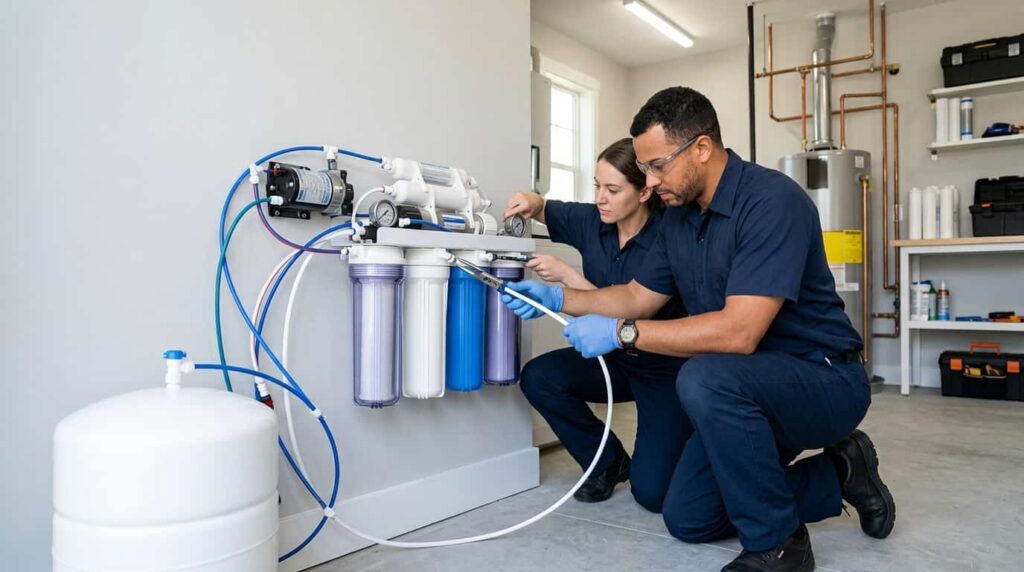
Installing a reverse osmosis system may appear straightforward, but professional installation can make a significant difference in long-term performance. An RO system has several components that need to work together correctly.
A professional technician can evaluate the available installation area, water pressure, plumbing connections, drain connection, and storage tank location before installation begins. Proper setup helps reduce the risk of leaks and inefficient operation.
Professional installation also allows the system to be configured according to the home’s specific needs. A small household may require a different setup from a larger family with higher drinking-water demand.
Another advantage is correct filter and membrane selection. Not every RO component is identical. Using compatible parts helps maintain system performance and can reduce unnecessary service problems.
A technician can also explain how the system works and show homeowners where filters are located, how frequently they should be changed, and what warning signs to watch for.
Choosing the Right RO System for Your Home
The best reverse osmosis system depends on several factors. Household water consumption is one of the first considerations. A system designed for occasional drinking-water use may not be appropriate for a household with high daily consumption.
Available installation space is another factor. Under-sink systems are popular because they can provide filtered water without taking up significant room. Larger systems may require a dedicated installation area.
Water pressure is also important. Reverse osmosis relies on pressure to move water through the membrane. If incoming pressure is too low, the system may produce water slowly or operate inefficiently.
Homeowners should also consider storage capacity. The storage tank provides a supply of purified water when the faucet is opened. Tank size should match household demand without taking up unnecessary space.
Additional filtration can also be useful depending on the water source. Some households may benefit from specialized filtration before or after the RO membrane. Professional water testing can help determine whether additional treatment is necessary.
Rather than selecting a system based only on price, homeowners should consider filtration performance, replacement-filter availability, installation requirements, warranty coverage, and ongoing maintenance costs.
Reverse Osmosis Filter Replacement
Filters are among the most important maintenance components in an RO system. They protect the membrane and help maintain water quality.
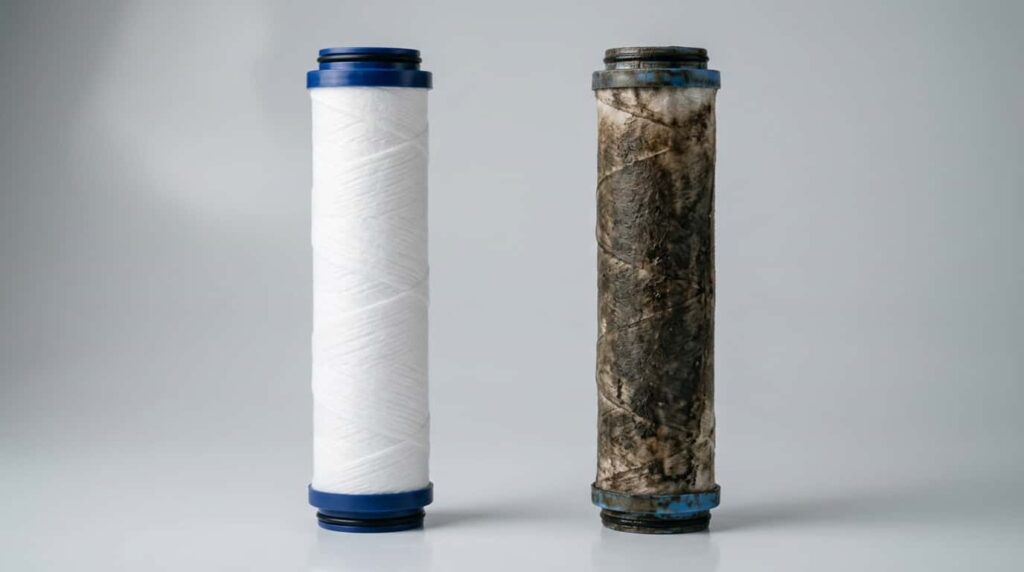
Pre-filters typically collect sediment and other larger particles. Carbon filters help reduce chlorine and compounds that can affect taste and odor. If these filters become saturated or clogged, water flow can decline and the membrane may experience unnecessary stress.
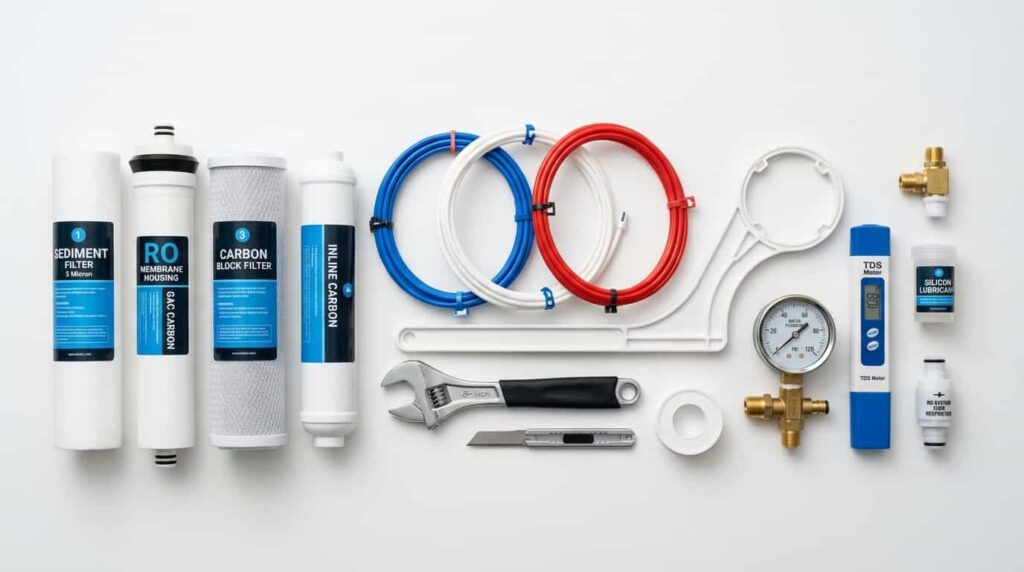
The RO membrane generally lasts longer than standard filters, but its lifespan depends on water quality, usage, pressure, and how well the pre-filters are maintained.
The post-filter also requires periodic replacement. Because this filter is often the final stage before the water reaches the faucet, keeping it fresh helps maintain good taste.
Replacement schedules vary by system and household conditions. Following the manufacturer’s recommendations is a good starting point, but actual water use and local conditions can affect the appropriate schedule.
Routine maintenance is usually less expensive and less disruptive than waiting until the system develops a major problem.
Improving Drinking Water Taste
Taste is one of the most noticeable reasons homeowners choose water filtration. Tap water can have a different flavor depending on mineral content, disinfectants, plumbing, and other factors.
Reverse osmosis can reduce many dissolved substances that contribute to unpleasant taste. When combined with properly maintained carbon filtration, an RO system can provide water that many homeowners find cleaner and more enjoyable.
However, taste can also change when filters become old. A system that once produced excellent-tasting water may gradually lose performance as filtration media becomes exhausted.
For this reason, replacing filters on schedule is just as important as installing the system correctly. Homeowners should avoid assuming that an RO system will provide the same results indefinitely without maintenance.
If water still tastes unusual after filter replacement, professional testing and inspection may help identify another cause.
RO Systems for Cooking and Everyday Use
Filtered water is useful for more than drinking. Many Tucson households use purified water for preparing meals, making coffee and tea, filling ice trays, and other kitchen tasks.
Water quality can influence the flavor of coffee and tea because these beverages contain a high percentage of water. Using cleaner-tasting water can make a noticeable difference.
Cooking with filtered water can also help reduce the amount of unwanted taste contributed by the local water supply. It can be especially useful for soups, sauces, rice, pasta, and beverages.
An RO faucet installed near the kitchen sink makes access convenient. Instead of filling containers from another location, homeowners can obtain filtered water directly when needed.
Some homeowners also connect purified water to refrigerators or ice makers, provided the equipment and plumbing are designed for that application.
Reverse Osmosis Maintenance in Tucson
Maintenance is essential for protecting an RO investment. Even a high-quality system can lose performance when filters are neglected.
A typical maintenance visit may include inspecting the system, checking connections, replacing appropriate filters, examining the membrane, evaluating water pressure, and checking for leaks.
The storage tank may also require inspection. If the tank pressure is incorrect, water production and delivery can be affected.
Technicians can also inspect tubing and fittings for signs of wear. Small problems are easier to correct when identified early.
Water quality testing can provide additional information when performance changes unexpectedly. Testing can help determine whether the issue is related to the incoming water, filtration stages, membrane performance, or another part of the system.
Regular Reverse Osmosis Services in Tucson can help homeowners maintain consistent filtration performance and identify problems before they become expensive repairs.
Common Reverse Osmosis Problems
Like any water-treatment equipment, an RO system can experience technical problems over time.
Low water pressure is one possible issue. Because pressure is required to push water through the membrane, insufficient pressure can result in slow production.
Clogged filters can create similar symptoms. If sediment or carbon filters are not replaced when needed, water flow may decrease significantly.
A damaged or exhausted membrane can also affect water quality. The membrane is a central part of the purification process, so its condition should be checked when filtration performance declines.
Leaks may develop at fittings, filter housings, tubing connections, or the faucet. Even a small leak should not be ignored because it can eventually cause water damage.
A malfunctioning automatic shut-off valve can cause the system to continue running when it should stop. This may increase water waste and indicate that service is required.
Incorrect tank pressure can result in weak faucet flow or insufficient stored water. A professional technician can test and adjust the system as needed.
How Professional RO Repair Works
When an RO system stops working correctly, the first step is identifying the actual cause. Replacing random parts can waste money and may not solve the problem.
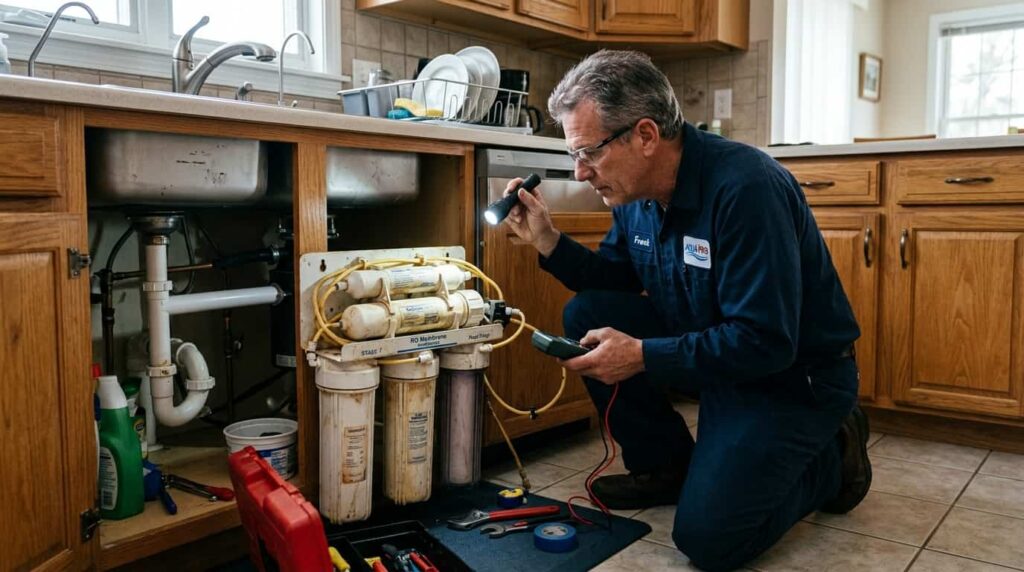
A technician can inspect the system from the incoming water connection through each filtration stage. Water pressure, filter condition, membrane performance, tank pressure, tubing, valves, and connections can all be evaluated.
Once the problem is identified, the technician can recommend the appropriate repair or replacement. In some situations, replacing a filter is enough. In other cases, the membrane, valve, tank, faucet, or another component may need attention.
Professional troubleshooting is especially valuable when a system is producing very little water or repeatedly develops leaks.
When Should You Replace an RO System?
Maintenance can extend the life of a reverse osmosis system, but every system eventually reaches a point where replacement may make more sense than continued repair.
Frequent leaks, outdated components, poor filtration performance, repeated service calls, and difficulty finding replacement parts can all be signs that a system is approaching the end of its useful life.
Newer RO systems may also offer improved efficiency, better water production, compact designs, and updated filtration technology.
However, replacement should not automatically be the first solution. A qualified technician can inspect the existing system and determine whether repair or replacement is more practical.
For homeowners unsure about the condition of an older system, a professional inspection can provide a clearer picture of its remaining service life.
Why Professional Service Matters
DIY maintenance can be suitable for simple filter changes when the homeowner understands the system and follows manufacturer instructions. However, complicated repairs should generally be handled by an experienced technician.
Improperly installed tubing or fittings can cause leaks. Incorrect tank pressure can affect performance. Using incompatible filters or membranes can reduce efficiency.
Professional technicians also have experience diagnosing problems that may not be obvious to homeowners. A slow system, for example, may be caused by several different issues.
Choosing professional Reverse Osmosis Services in Tucson gives homeowners access to installation, maintenance, inspection, troubleshooting, and repair support from people familiar with water-treatment equipment.
How to Prepare for an RO Service Appointment
Before a technician arrives, homeowners can gather useful information about the system. Knowing the brand, model, approximate installation date, and last filter replacement can help.
It is also useful to describe the problem clearly. Instead of simply saying that the system is not working, note whether the water tastes different, the flow is slow, the tank is empty, or there is visible leaking.
The technician should also have easy access to the system. Removing items stored underneath the kitchen sink can make inspection and maintenance easier.
If the household has noticed changes in water quality, sharing those observations can help with troubleshooting.
Questions to Ask an RO Service Provider
Before hiring a water-treatment professional, homeowners should ask several practical questions.
Ask whether the company provides installation, maintenance, repair, and filter replacement. A full-service provider may be more convenient for long-term care.
Ask which brands and systems the technician works with. Experience with the specific system can make troubleshooting more efficient.
It is also reasonable to ask about maintenance recommendations and replacement-part availability. Knowing expected service requirements can help homeowners plan future expenses.
Homeowners should also ask whether water testing is available when filtration problems are suspected. Testing can provide valuable information before major equipment decisions are made.
Finally, ask for a clear explanation of the recommended work and associated costs before approving repairs.
Maintaining Better Water Quality at Home
An RO system is one part of an overall water-quality strategy. Good maintenance habits can help the system perform reliably.
Replace filters according to the manufacturer’s recommendations. Check for visible leaks periodically. Pay attention to changes in taste, odor, flow, and water production.
Do not ignore small performance changes. A system that produces slightly less water today may stop working completely later if the underlying issue is not addressed.
Homeowners should also keep records of filter replacements and service visits. This makes it easier to determine when future maintenance is due.
If water quality concerns continue despite regular maintenance, professional testing can help identify whether additional treatment is necessary.
Final Thoughts
Reverse osmosis can be a valuable option for Tucson homeowners who want convenient access to cleaner-tasting drinking water. The technology uses multiple filtration stages and a semipermeable membrane to reduce many unwanted substances from water.
However, the effectiveness of an RO system depends on more than the equipment itself. Proper installation, suitable system selection, regular filter replacement, adequate water pressure, and timely repairs all contribute to reliable performance.
Homeowners should consider their water conditions, household consumption, available installation space, and long-term maintenance requirements before choosing a system. Professional evaluation can make the process easier and help prevent unnecessary equipment purchases.
Whether you are considering a new system, experiencing slow water production, noticing a change in taste, or simply need routine filter replacement, professional Reverse Osmosis Services in Tucson can help keep your drinking-water system operating efficiently.
With proper care and timely service, a reverse osmosis system can provide convenient filtered water for drinking, cooking, beverages, and other everyday kitchen needs. Rather than waiting for a major failure, regular inspections and maintenance can protect the system and help maintain consistent water quality for years to come.
Frequently Asked Questions
1. What are Reverse Osmosis Services in Tucson?
Reverse osmosis services include professional installation, inspection, filter replacement, membrane replacement, troubleshooting, maintenance, and repair of reverse osmosis water filtration systems for Tucson homes and businesses.
2. How often should an RO system be serviced?
Most residential RO systems should receive routine maintenance every 6 to 12 months. Filter replacement schedules can vary depending on water quality, household usage, and the manufacturer’s recommendations.
3. How do I know if my reverse osmosis system needs repair?
Common warning signs include slow water flow, unusual taste or odor, reduced water production, leaking connections, unusual noises, or a storage tank that does not provide enough filtered water.
4. How long does a reverse osmosis membrane last?
An RO membrane can commonly last around 2 to 5 years, although its lifespan depends on incoming water quality, water pressure, household usage, and how regularly the pre-filters are replaced.
5. Can reverse osmosis improve Tucson tap water taste?
Yes. An RO system can reduce many dissolved substances and compounds that affect the taste and odor of water. Properly maintained carbon filters can also help improve the overall taste of drinking water.
6. Does an RO system remove hard-water minerals?
Reverse osmosis can reduce many dissolved minerals, including calcium and magnesium. However, an RO system is typically designed for point-of-use drinking water rather than treating the entire home’s water supply.
7. How much does reverse osmosis service cost in Tucson?
The cost depends on the type of service required, the RO system, replacement parts, filter condition, membrane condition, and whether repairs or installation are needed. A professional inspection can provide a more accurate estimate.
8. Can an RO system be installed under a kitchen sink?
Yes. Under-sink RO systems are among the most common residential configurations. They can provide filtered drinking water through a dedicated faucet while taking up relatively little space.
9. Should I repair or replace my old RO system?
Repair may be practical when the system has a manageable component problem. Replacement may make more sense when the system has frequent leaks, outdated parts, poor performance, or repeated repair requirements. A professional inspection can help determine the better option.
10. Why should I hire a professional for RO maintenance?
Professional service can help ensure filters, membranes, tanks, tubing, valves, and connections are functioning correctly. Regular professional maintenance can also identify developing problems early and help maintain consistent filtration performance.