A whole house water filter is one of the best investments homeowners can make to improve water quality throughout their property. It filters water before it reaches your faucets, showers, washing machines, dishwashers, and other plumbing fixtures. While these systems offer many advantages, they also have some disadvantages that homeowners should understand before making a purchase.
Knowing both the benefits and limitations allows you to choose the right filtration system for your home’s needs. In many cases, the disadvantages can be minimized by selecting the proper equipment and having it professionally installed.
If you’re considering Home Water Treatment System in Tucson, understanding the potential drawbacks will help you make a smarter and more cost-effective decision.
Understanding How Whole House Water Filters Work
A whole house water filter is installed at the main water supply line entering your home. This means every faucet and appliance receives filtered water. Depending on the system you choose, it may remove:
- Sediment
- Chlorine
- Rust
- Dirt
- Chemicals
- Bad odors
- Certain heavy metals
Some advanced systems also include water softeners, reverse osmosis units, or UV purification for enhanced water quality.
Although these systems provide excellent protection, they are not perfect for every household.
Higher Initial Cost
One of the biggest disadvantages of a whole house water filter is the upfront investment.
Unlike countertop filters or faucet filters, whole house systems require professional equipment and installation. The total cost varies depending on the size of your home, water quality, and filtration requirements.
Typical expenses may include:
- Water quality testing
- Filtration equipment
- Professional installation
- Plumbing modifications
- Future maintenance
Although the upfront investment is higher, many homeowners recover the cost through fewer plumbing repairs, longer appliance life, and reduced bottled water purchases.
Professional Home Water Treatment System in Tucson providers can recommend systems that fit both your water quality needs and budget.
Regular Maintenance Is Required
Every whole house filtration system requires routine maintenance.
Filters eventually become clogged with contaminants and must be replaced to maintain performance.
Maintenance typically includes:
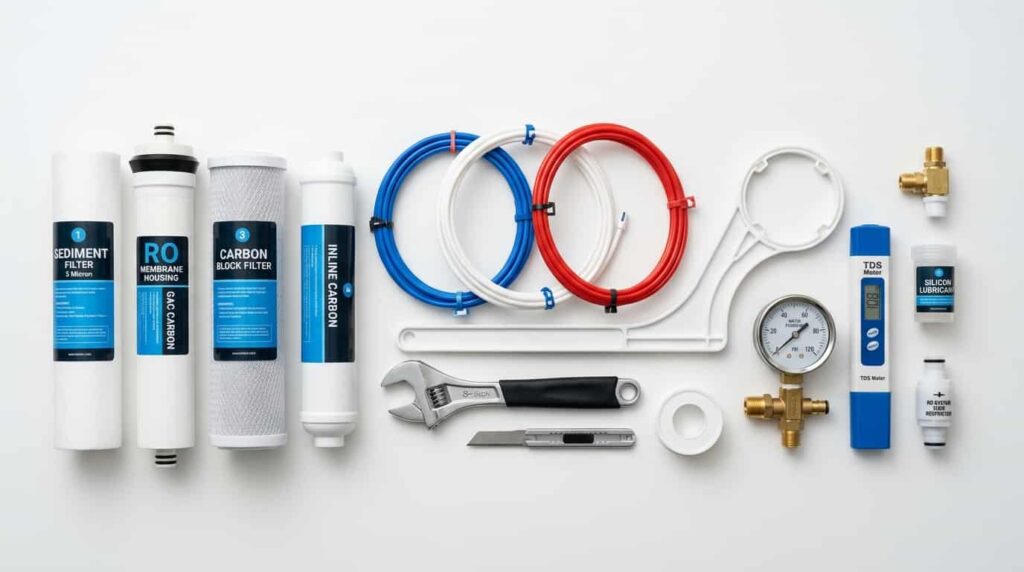
- Replacing sediment filters
- Changing carbon filters
- Cleaning filter housings
- Inspecting plumbing connections
- Checking water pressure
- Replacing reverse osmosis membranes if applicable
Ignoring maintenance can reduce filtration efficiency and shorten the lifespan of the entire system.
Fortunately, most maintenance is simple and only needs to be performed once or twice each year.
Installation Can Be Complex
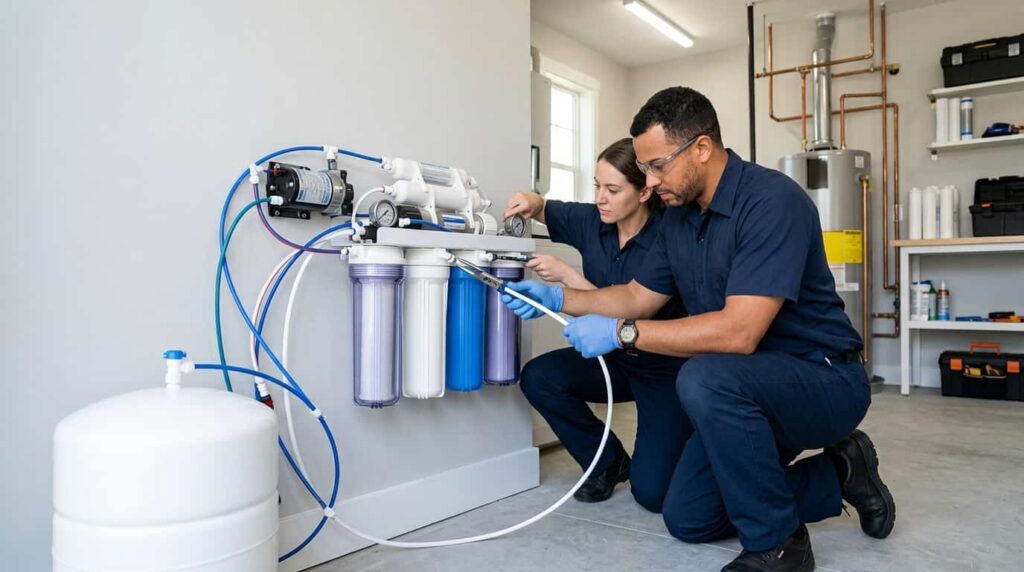
Unlike portable water filters, whole house systems require installation at the home’s main water line.
Depending on your plumbing layout, installation may involve:
- Cutting existing pipes
- Adding shut-off valves
- Installing bypass valves
- Connecting drain lines
- Adjusting water pressure
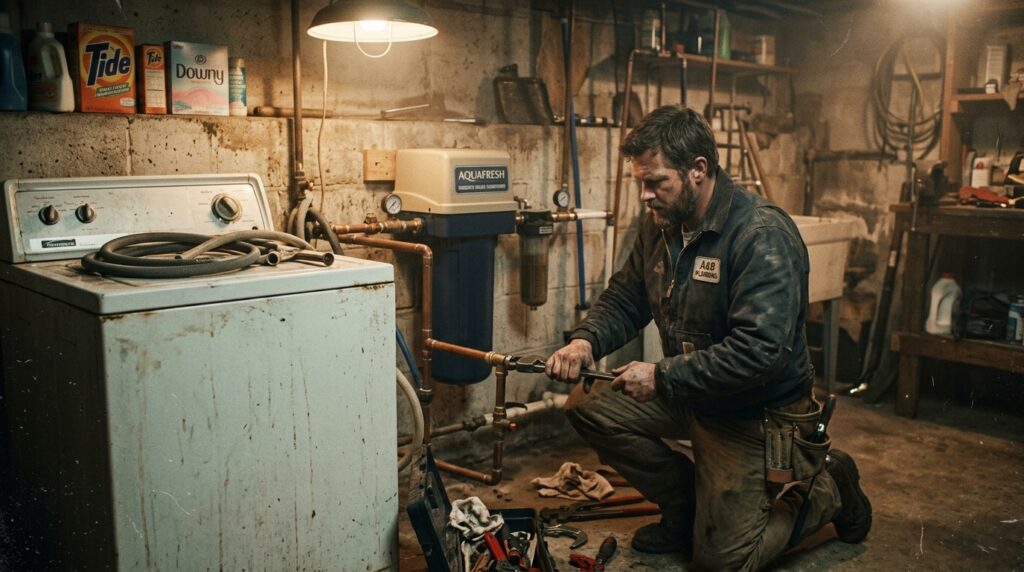
Older homes sometimes require additional plumbing upgrades, increasing installation costs.
Professional installation helps ensure proper system performance and protects your manufacturer’s warranty.
Some Systems Reduce Water Pressure
Certain filtration systems slightly reduce water pressure, especially if:
- Filters become clogged
- The system is undersized
- Multiple filtration stages are installed
- High household water demand exceeds system capacity
Proper sizing helps prevent noticeable pressure loss.
Experienced technicians calculate the correct flow rate before recommending equipment for your home.
Not Every Filter Removes Every Contaminant
One common misconception is that all whole house filters remove every contaminant.
In reality, different filters are designed for different problems.
For example:
- Sediment filters remove dirt and rust.
- Carbon filters reduce chlorine and odors.
- Water softeners remove hardness minerals.
- Reverse osmosis removes dissolved solids.
- UV systems eliminate bacteria and viruses.
Choosing the wrong system may leave certain contaminants untreated.
That’s why professional water testing is essential before purchasing any filtration equipment.
Many homeowners rely on Home Water Treatment System in Tucson specialists to identify their exact water quality concerns before selecting a filtration system.
Requires Space for Installation
Whole house filtration systems are much larger than faucet or countertop filters.
They typically require space near:
- The main water line
- Water heater
- Garage
- Utility room
- Basement
Some advanced systems include multiple tanks, making them unsuitable for homes with very limited installation space.
Before purchasing a system, it’s important to ensure adequate room for future maintenance and filter replacements.
Filter Replacement Costs Add Up
Although maintenance costs are generally reasonable, replacement filters represent an ongoing expense.
Replacement frequency depends on:
- Household size
- Daily water usage
- Water quality
- Filter type
Homeowners should include these recurring costs when budgeting for a filtration system.
Replacing filters on schedule keeps water quality high while protecting the equipment from unnecessary wear.
Whole House Filters Do Not Always Soften Water
Many people believe that installing a whole house filter automatically solves hard water problems.
However, this is not always true.
Standard filtration systems remove contaminants but usually do not remove calcium and magnesium, the minerals responsible for hard water.
Homes with hard water often require both:
- A whole house filtration system
- A separate water softener
Combining both systems provides better overall water quality while protecting plumbing and appliances.
They Require Professional Water Testing
Without water testing, homeowners may purchase equipment that doesn’t address their actual water problems.
Water testing identifies:
- Hardness levels
- Iron
- Chlorine
- Sediment
- Sulfur
- Total dissolved solids
- pH balance
Professional testing ensures you invest in the correct filtration system instead of spending money on unnecessary equipment.
Choosing experienced providers of Home Water Treatment System in Tucson helps ensure accurate recommendations based on your home’s specific water quality.
Are the Disadvantages Worth It?
For most homeowners, the answer is yes.
Although whole house water filters require an upfront investment and regular maintenance, the long-term benefits usually outweigh these disadvantages.
Many homeowners experience:
- Better tasting water
- Cleaner plumbing
- Longer-lasting appliances
- Reduced mineral buildup
- Improved skin and hair
- Less bottled water usage
- Better overall water quality
When professionally installed and properly maintained, a whole house water filter provides reliable performance for many years.
Additional Disadvantages to Consider
While whole house water filters offer excellent protection, there are a few additional drawbacks homeowners should consider before making a purchase.
Not Every Home Needs a High-End System
Some homes only experience minor water quality issues, such as chlorine taste or small amounts of sediment. Installing a premium multi-stage filtration system in these cases may not be necessary.
A professional water analysis helps determine the most cost-effective solution for your home instead of investing in equipment with features you may never use.
Maintenance Must Be Consistent
A whole house filtration system performs best when it receives regular maintenance.
If homeowners forget to replace filters, several problems can occur:
- Reduced filtration performance
- Lower water pressure
- Increased wear on equipment
- Poor water quality
- Shorter system lifespan
Scheduling annual maintenance helps keep the system operating efficiently throughout the year.
Some Contaminants Require Multiple Treatment Methods
No single filtration technology removes every contaminant.
For example:
- Carbon filters reduce chlorine but not hardness.
- Water softeners remove minerals but not bacteria.
- Reverse osmosis removes dissolved solids but is usually installed with additional filtration.
- UV purification kills microorganisms but does not remove sediment.
Many homes require a combination of treatment methods to achieve the best water quality.
Professional providers of Home Water Treatment System in Tucson can recommend the right combination based on your home’s water test results.
How to Reduce the Disadvantages
Fortunately, most disadvantages of a whole house water filter can be minimized with proper planning.
Here are a few helpful tips:
- Test your water before purchasing a system.
- Choose equipment designed for your specific water problems.
- Hire experienced installation professionals.
- Replace filters on schedule.
- Schedule routine inspections.
- Follow the manufacturer’s maintenance guidelines.
- Purchase high-quality equipment from trusted brands.
These simple steps help maximize performance while reducing future repair costs.
Is a Whole House Water Filter Worth It?
For most homeowners, the benefits greatly outweigh the disadvantages.
Although the initial investment and maintenance costs may seem significant, the long-term value is often much greater.
A professionally installed system can provide:
- Cleaner drinking water
- Better tasting water
- Improved bathing experience
- Longer appliance lifespan
- Reduced plumbing repairs
- Lower bottled water expenses
- Better overall home water quality
Many families notice improvements almost immediately after installation.
Choosing the Right Water Treatment Company
Selecting an experienced company is just as important as choosing the filtration system itself.
Look for a provider that offers:
- Professional water testing
- Customized system recommendations
- Certified installation technicians
- Transparent pricing
- Quality filtration equipment
- Preventive maintenance services
- Ongoing customer support
Companies specializing in Home Water Treatment System in Tucson understand local water conditions and can recommend solutions designed specifically for Arizona homes.
Why Tucson Homeowners Benefit from Water Treatment
Tucson’s water is naturally hard and often contains elevated mineral levels. Without proper treatment, these minerals can build up inside plumbing, reduce appliance efficiency, and leave stubborn spots on dishes and fixtures.
Installing the right whole house filtration system helps reduce many of these issues while improving the overall quality of water used throughout the home.
Whether you’re drinking water, taking a shower, doing laundry, or washing dishes, cleaner water benefits every part of your daily routine.
Frequently Asked Questions
1. Are whole house water filters worth the investment in Tucson?
Yes. Because Tucson has hard water and high mineral content, many homeowners benefit from improved water quality, cleaner plumbing, and longer-lasting appliances.
2. What is the biggest disadvantage of a whole house water filter?
The largest drawback is the initial purchase and installation cost, but many homeowners recover this investment through reduced maintenance and repair expenses.
3. Do whole house water filters reduce water pressure?
Some systems can slightly reduce water pressure if they are undersized or if filters become clogged. Proper sizing and regular maintenance help prevent this issue.
4. How often should filters be replaced?
Most sediment and carbon filters should be replaced every 6 to 12 months, depending on household water usage and local water quality.
5. Can a whole house filter remove hard water?
Not by itself. Hard water typically requires a water softener in addition to a whole house filtration system.
6. How long does a whole house water filter last?
The filtration system itself can last 15 to 20 years or more with proper maintenance, while replacement filters need to be changed periodically.
7. Should I test my water before buying a filtration system?
Yes. Professional water testing identifies the contaminants present and helps determine the most effective treatment solution.
8. Can a whole house filter improve drinking water?
Yes. Whole house filtration improves the taste, odor, and quality of water throughout the home, although some homeowners also install reverse osmosis systems for additional drinking water purification.
9. What maintenance does a whole house water filter require?
Routine maintenance includes replacing filters, inspecting system components, checking water pressure, and scheduling periodic professional servicing.
10. Where can I find professional water treatment services in Tucson?
Experienced companies offering Home Water Treatment System in Tucson provide water testing, customized filtration solutions, installation, repairs, and maintenance for residential properties.
Final Thoughts
A whole house water filter is an excellent solution for improving water quality throughout your home, but it’s important to understand both its advantages and disadvantages before making a decision. While these systems require an initial investment, regular maintenance, and professional installation, they also provide cleaner water, protect plumbing, improve appliance efficiency, and enhance everyday comfort.
For homeowners dealing with hard water, chlorine, sediment, or other water quality concerns, investing in Home Water Treatment System in Tucson can deliver lasting value. By working with experienced professionals, you can choose the right filtration system for your home’s specific needs and enjoy cleaner, healthier water for years to come.