Reionator Pro cost breakdown questions usually come up after a homeowner has already decided they need a water softener and started comparing premium options. It’s a fair question. The Reionator Pro is not the cheapest system on the market, and it isn’t trying to be. Before you request a quote, it helps to know what drives the price, what you’re paying for, and what it costs to own over time.
WaterTech sells the Reionator Pro Series through authorized dealers, so there is no single national price tag. What this guide gives you is a clear breakdown of the parts that make up your final number.
What the Reionator Pro Water Softener Actually Is
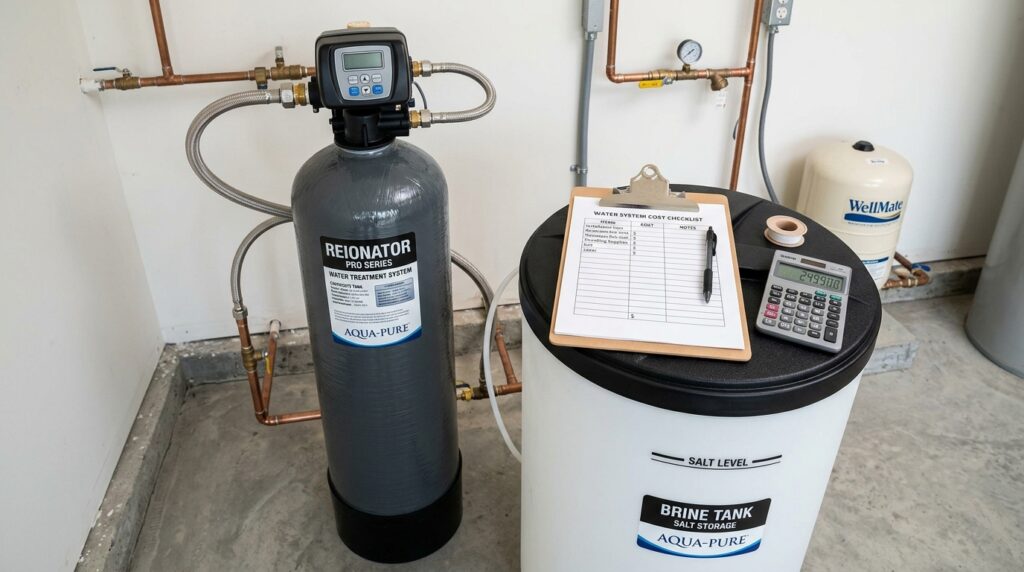
The Reionator Pro water softener is built by WaterTech and hand assembled at its factory in Texas. It goes beyond basic softening. The system uses a multi-media bed, meaning more than one type of treatment media sits inside the tank. This allows it to soften water while also reducing chlorine and several other contaminants, according to the manufacturer.
Key features include the Triton control valve, which uses metered electronics to regenerate based on actual water use rather than a fixed timer. It also uses AquaHelix distribution plates, which WaterTech designed to spread water evenly through the media for better efficiency. The system is certified to NSF Standards 42 and 44, which cover aesthetic effects like chlorine reduction and softener performance.
There is also a Reionator Pro Ultra model. It uses two media compartments separated by an AquaHelix plate, and WaterTech lists it as addressing chloramines, VOCs, and other emerging contaminants on top of hardness.
The Main Cost Components
1. The Equipment
This is the biggest piece. Your price depends on which model you choose (Pro or Pro Ultra) and the size of the tank. Tank size is based on your water hardness and how many people live in the home. A larger family in a high hardness area needs more capacity, and more capacity costs more.
Premium multi-media systems like this one generally cost more than single-media salt softeners from big box stores. You’re paying for extra treatment stages, the smart valve, and the build quality.
2. Installation
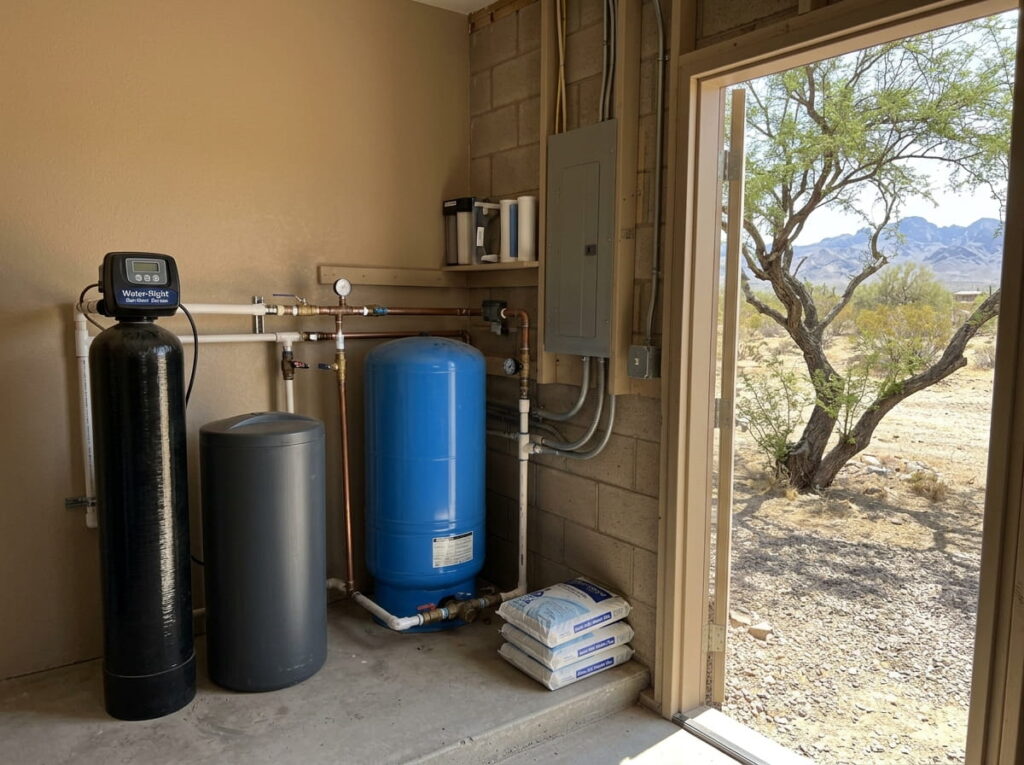
Installation costs vary from home to home. Many Tucson houses have a pre-plumbed softener loop in the garage, which makes installation simpler. Homes without a loop need extra plumbing work to reach the main line. Other factors include drain access for the regeneration line, an electrical outlet near the unit, and whether a bypass valve needs to be added.
For reference, one Tucson plumbing company estimates that a standard salt-based softener runs about $1,000 to $3,500 installed for most homes, with installation alone ranging from $300 to $1,500 depending on the softener loop. A premium multi-media system may land above that range. Your dealer quote is the only number that matters for your home.
3. Water Testing and Sizing
Reputable dealers test your water before quoting. This isn’t a formality. Tucson hardness varies across the city, so proper sizing depends on your actual results. Many dealers include testing with the consultation.
4. Ongoing Operating Costs
Every salt-based softener uses salt and some water during regeneration. The Reionator Pro’s metered valve and AquaHelix design are built to reduce how much salt and water each regeneration uses. Lower salt use means fewer bags to buy over the life of the system.
You’ll also have small electrical costs for the valve and a yearly maintenance visit. Some owners choose potassium chloride instead of sodium chloride, which costs more per bag.
5. Warranty Coverage
WaterTech states that the Reionator Pro carries one of the strongest warranties in the industry, covering the valve, tanks, resins, and electronics. Warranty terms can differ by model and dealer, so ask for the written terms with your quote. A strong warranty lowers the risk of surprise repair bills later.
Hidden Costs of Choosing a Cheaper System
A lower upfront price doesn’t always mean lower total cost. Basic softeners may use more salt per regeneration, run on timers that regenerate whether you need it or not, and have shorter warranties. They also typically don’t reduce chlorine, which means the resin takes more chlorine damage over time.
When comparing systems, look at the full picture: purchase price, installation, salt use, expected lifespan, and warranty. That’s the only fair way to judge a Reionator Pro cost breakdown against any alternative.
What You Save With Soft Water
Soft water has practical benefits in a hard water city like Tucson. Scale buildup inside water heaters reduces efficiency, and softening helps prevent it. Fixtures, faucets, and showerheads stay cleaner. Dishwashers and washing machines face less mineral wear. You’ll likely use less soap and detergent, too.
These savings are real but vary by household, so be cautious about any seller promising exact dollar amounts. The honest answer is that a well-maintained Reionator Pro water softener protects appliances and plumbing that cost far more to replace than the system itself.
Is the Reionator Pro Worth It?
It depends on what you want from your water.
It’s a strong fit if you want softening plus chlorine reduction in one tank, plan to stay in your home for years, care about salt and water efficiency, and value a long warranty. It may be more than you need if you’re selling the home soon or only want the most basic softening at the lowest upfront price.
For many Tucson families, the combination of efficiency, build quality, and warranty makes the Reionator Pro cost easier to justify over the long run.
How to Get an Accurate Price
The best way to know your real number is a free in-home assessment. A dealer will test your water, look at your plumbing, recommend the right model and size, and give you a written quote that includes installation.
Want your exact number? Request Pricing and get a clear Reionator Pro cost breakdown based on your home, your water, and your household.
Frequently Asked Questions
1. How much does a Reionator Pro cost?
WaterTech sells through authorized dealers and doesn’t publish a single national price. Your cost depends on the model, tank size, and installation needs. A dealer quote gives you the accurate figure.
2. What’s the difference between the Reionator Pro and Pro Ultra?
The Pro Ultra uses two media compartments with AquaHelix plates and is designed to address additional contaminants like chloramines and VOCs, according to WaterTech.
3. Is installation included in the price?
Many dealers quote equipment and installation together. Always confirm what’s included before you sign.
4. Does the Reionator Pro use a lot of salt?
It uses a metered Triton valve that regenerates based on actual water use, which is designed to reduce salt and water consumption compared to timer-based systems.
5. Is the Reionator Pro certified?
Yes. It is certified to NSF Standards 42 and 44 for chlorine reduction and softening performance.
6. Where is the Reionator Pro made?
WaterTech builds it at its own factory in Texas.
7. What does the warranty cover?
WaterTech states that coverage includes the valve, tanks, resins, and electronics. Ask your dealer for the written terms for your model.
8. Can I install a Reionator Pro myself?
It’s sold and installed through authorized dealers. Professional installation helps protect your warranty and ensures proper setup.
9. Does my Tucson home need a softener loop?
A loop makes installation easier and often cheaper. If your home doesn’t have one, a plumber can connect the system to the main line.
10. How long does a Reionator Pro last?
With proper maintenance and regular salt, quality softeners often last many years. Annual service helps you get the most from your investment.