Every restaurant owner in Tucson knows the water bill is only a small part of what water really costs a kitchen. The bigger expense hides inside the equipment. Scale builds up in ice machines, coffee brewers, dish machines, and water heaters until something breaks. That’s why commercial water treatment restaurants Tucson owners invest in isn’t a luxury. It’s a way to protect expensive equipment and keep the kitchen running during a Friday dinner rush.
Here’s how the savings actually work.
The Hidden Cost of Hard Water in a Kitchen
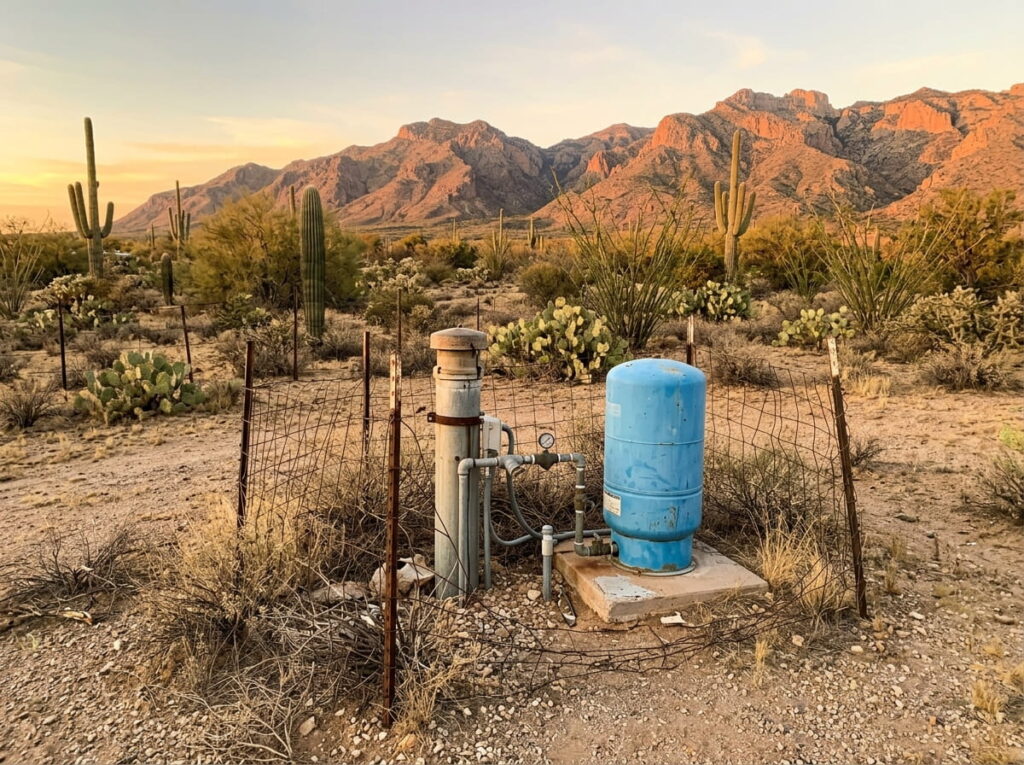
Tucson’s water supply is hard. The city blends native groundwater with Colorado River water, and both carry high levels of calcium and magnesium. When that water is heated or evaporated, the minerals come out as scale.
In a home, scale is annoying. In a restaurant, it’s expensive, because restaurant equipment heats water all day, every day. More heat and more volume mean more scale, faster.
Where Restaurants Lose Money
Ice Machines
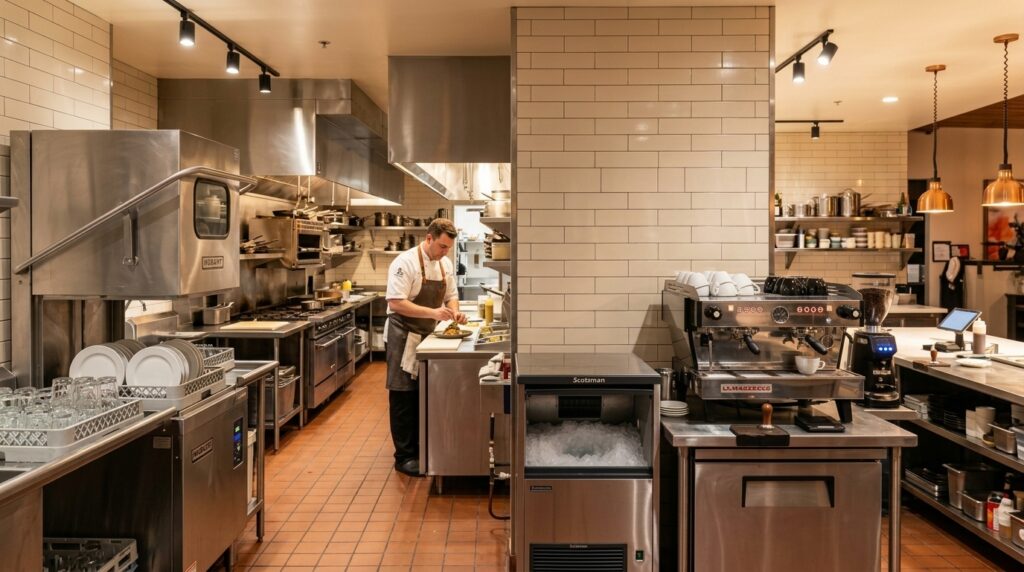
Ice machines are one of the most scale sensitive pieces of equipment in a kitchen. Minerals build up on the evaporator plates and in water lines, which slows ice production and forces more frequent cleaning. Cloudy, soft, or bad tasting ice is often a water problem. Many ice machine manufacturers recommend water filtration, and some warranties may not cover damage from scale, so check yours.
Coffee and Espresso Equipment
Espresso machines use boilers and fine internal passages that clog easily. Scale reduces heating efficiency and leads to costly descaling or repairs. Water also affects flavor. Coffee is mostly water, and high mineral content or chlorine can make it taste flat or bitter. The Specialty Coffee Association publishes water guidelines for brewing, and untreated Tucson tap water is typically higher in dissolved solids than those guidelines recommend.
Dish Machines
Commercial dishwashers run hot and fast. Hard water leaves spots on glassware and silverware, which often means staff rewash or hand polish items. Scale builds up on heating elements and spray arms, and hard water reduces how well detergents work, so kitchens often use more chemical to get the same result.
Steamers and Combi Ovens
Steam equipment is especially vulnerable. Scale forms quickly inside steam generators, and repair calls on this type of equipment are costly. Some manufacturers specify water quality requirements for their ovens, so treatment can matter for warranty coverage.
Water Heaters
Scale acts as insulation inside tank and tankless water heaters. The heater has to work harder to reach the same temperature, which wastes energy and shortens its life. In a restaurant running hot water all day, that adds up.
How Commercial Water Treatment Saves Money
The savings from commercial water treatment in Tucson restaurants show up in several places at once.
Fewer service calls. Less scale means fewer breakdowns on ice machines, espresso machines, and dish equipment.
Longer equipment life. Protected equipment lasts longer, which delays replacement costs.
Lower chemical use. Soft water helps detergents and sanitizers work better.
Less labor. Staff spend less time descaling machines and rewashing spotted glassware.
Better product quality. Clean, consistent water improves coffee, tea, ice, and even some recipes.
Energy efficiency. Scale free heating elements and water heaters use energy more efficiently.
We won’t promise a specific dollar amount, because savings depend on your menu, volume, and equipment. What’s clear is that treatment costs far less than replacing a combi oven or ice machine early.
Common Commercial Treatment Setups
Every restaurant is different, but most commercial water treatment in Tucson combines a few tools.
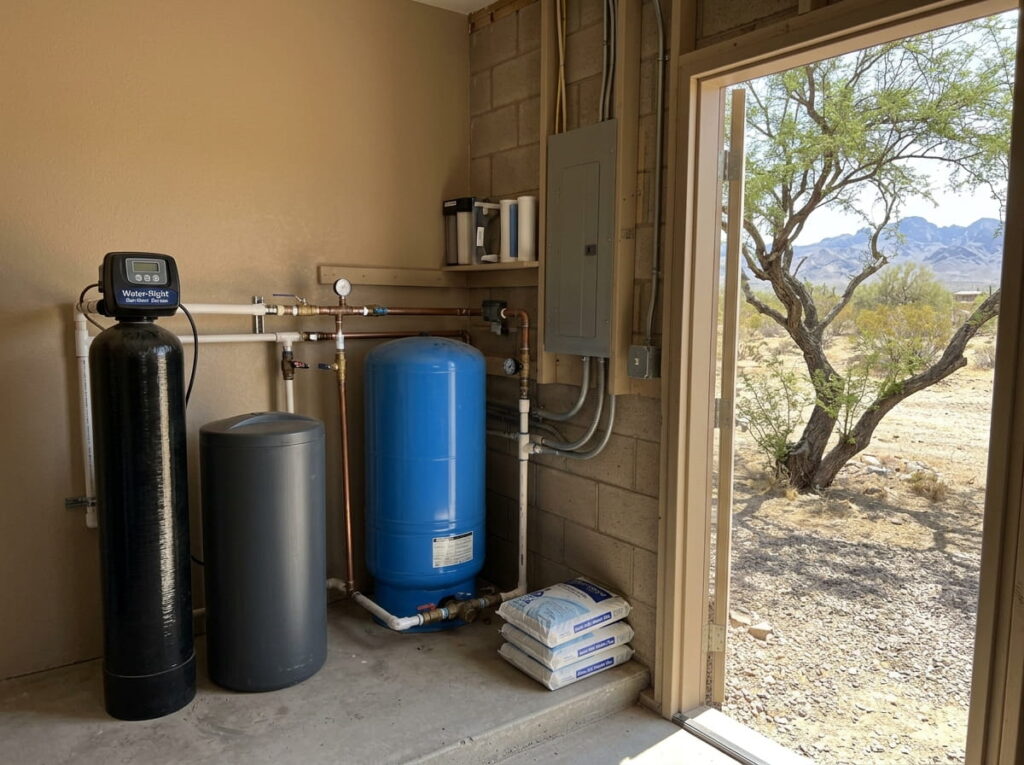
Commercial water softener: Treats water feeding the dish machine, water heater, and general kitchen lines.
Carbon filtration: Reduces chlorine taste and odor for beverages and ice.
Reverse osmosis: Often used for coffee, espresso, and tea programs to control dissolved minerals. Many coffee focused cafes blend RO water to reach a target mineral level.
Sediment filtration: Protects equipment from sand and particles.
Point of use filters: Dedicated cartridges on ice machines and beverage equipment.
The right setup depends on testing and a walkthrough of your kitchen.
A Walkthrough Beats a Guess
A proper commercial assessment usually starts with a water test and then a look at each piece of water using equipment. The goal is to understand what each machine needs, since an ice machine and a dish machine don’t need the same water.
From there, a provider can recommend a system and a maintenance schedule. In a restaurant, maintenance is just as important as installation. A filter that’s six months overdue can let scale right back in.
Maintenance Keeps the Savings Coming
Commercial systems need regular attention. Filters must be changed on schedule, softeners need salt, and RO membranes need replacement over time. Many restaurants use a service plan so filter changes happen automatically and nothing gets missed during busy seasons. That consistency is what turns commercial water treatment for restaurants in Tucson into long term savings.
Want to see what treatment could save your kitchen? Get Commercial Quote and schedule a walkthrough of your restaurant’s water and equipment.
Frequently Asked Questions
1. Why do Tucson restaurants need water treatment?
Tucson’s water is hard, and restaurant equipment heats large volumes of water every day. Treatment reduces scale that damages ice machines, espresso machines, dish machines, and water heaters.
2. How does commercial water treatment save money?
It reduces scale related repairs, extends equipment life, lowers detergent use, cuts labor spent on descaling and rewashing, and helps heating equipment use energy efficiently.
3. What equipment benefits most from treated water?
Ice machines, espresso machines, coffee brewers, dish machines, steamers, combi ovens, and water heaters benefit most because they heat or freeze water constantly.
4. Does water quality affect coffee taste?
Yes. Coffee is mostly water, so high minerals or chlorine can make it taste flat or bitter. Many cafes use reverse osmosis with blending to control mineral levels.
5. Can hard water void equipment warranties?
Some manufacturers set water quality requirements, and scale damage may not be covered. Check the warranty terms for each piece of equipment.
6. What is the best water treatment for a restaurant?
It depends on your equipment and water test. Many restaurants combine a commercial softener, carbon filtration, and reverse osmosis for beverage stations.
7. How often should restaurant filters be changed?
It depends on usage and filter type. Busy kitchens often change filters more frequently than homes. A service plan keeps changes on schedule.
8. Does soft water help dish machines?
Yes. Soft water reduces spots on glassware, limits scale on heating elements, and helps detergents clean more effectively.
9. Can I install a residential softener in my restaurant?
Commercial kitchens usually need higher flow rates and capacity than residential systems provide. A commercial system is sized for your volume.
10. How do I get started with commercial water treatment?
Start with a water test and an equipment walkthrough. A provider can then recommend the right system and maintenance plan for your kitchen.