If you’ve noticed white spots on dishes, dry skin after showering, unpleasant-tasting tap water, or mineral buildup on your faucets, you’ve probably wondered whether a whole house water filter is worth the investment.
The answer depends on your home’s water quality, where your water comes from, and the specific contaminants you want to address. For many Arizona homeowners, a Whole House Water Filter can significantly improve water quality throughout the entire home—not just at the kitchen sink.
This guide explains how whole house water filtration works, who needs it, its benefits, potential drawbacks, and how to determine whether it’s the right solution for your home.
What Is a Whole House Water Filter?
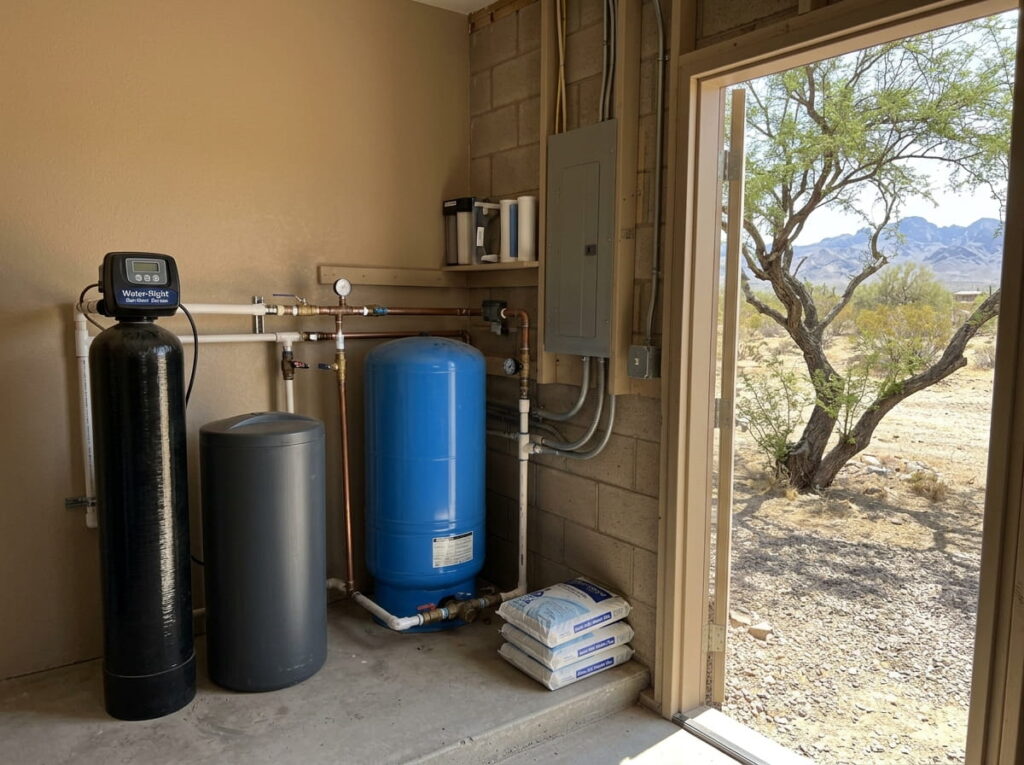
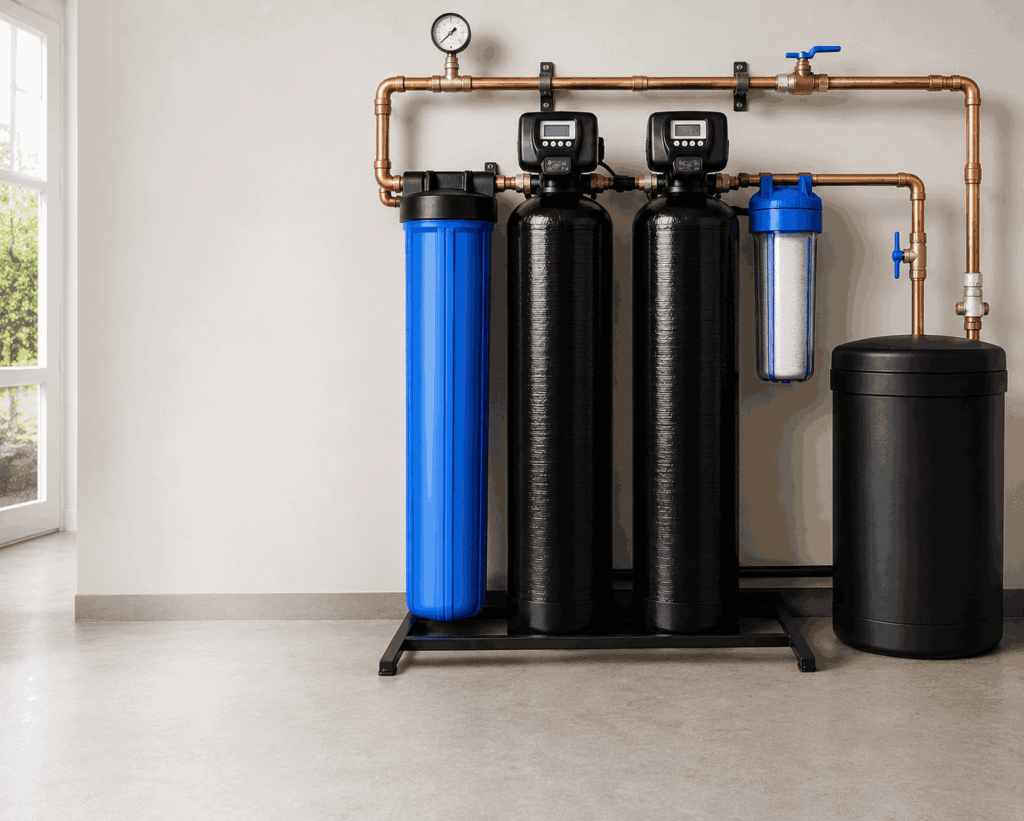
A Whole House Water Filter is installed where the main water line enters your home. Instead of treating water at a single faucet, it filters every gallon of water before it reaches your kitchen, bathrooms, laundry room, water heater, and outdoor plumbing (depending on installation).
Unlike countertop filters or pitcher filters, a whole house system provides treated water for:
- Drinking
- Cooking
- Bathing
- Laundry
- Dishwashing
- Showering
- Cleaning
This means every tap in your home benefits from improved water quality.
Why Arizona Homes Often Need Better Water Treatment
Arizona is known for having some of the hardest water in the United States. While municipal water is generally treated to meet safety standards, it may still contain:
- Chlorine
- Sediment
- Rust particles
- High mineral content
- Hardness-causing calcium and magnesium
- Unpleasant taste or odor
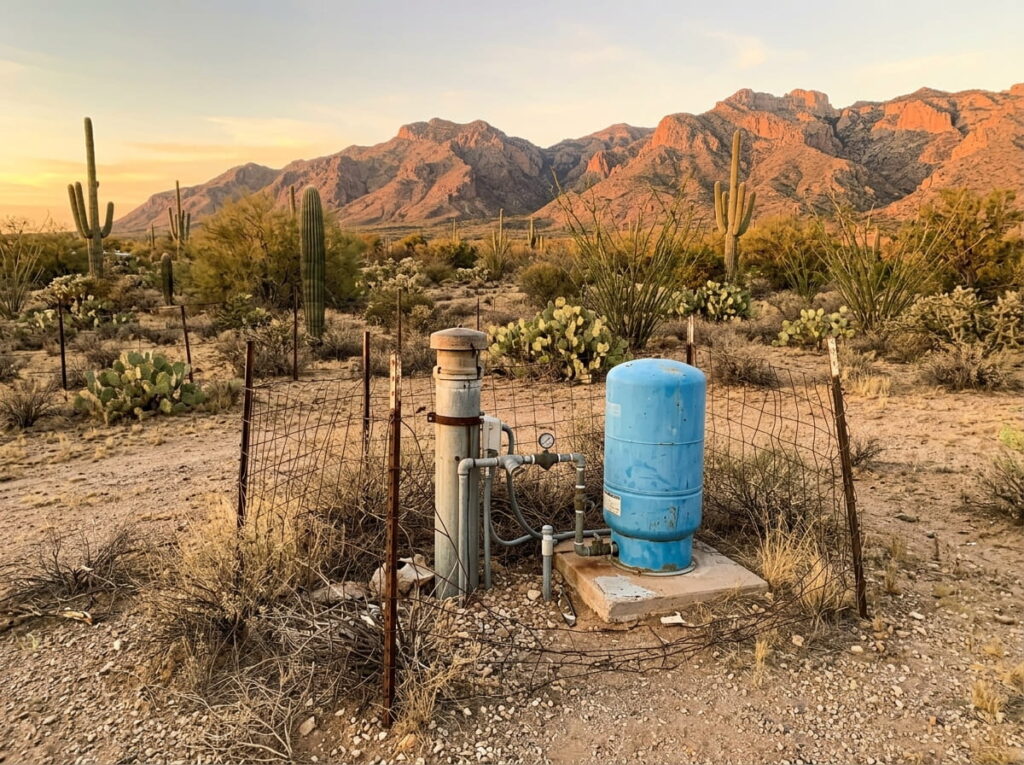
Homes using private wells may also require treatment for additional contaminants depending on the local water source.
Because every home’s water is different, professional water testing is the best first step before choosing any filtration system. Desert Water Services provides complimentary on-site water testing and customized treatment recommendations based on your specific water quality rather than a one-size-fits-all solution.
Signs You May Need a Whole House Water Filter
Your water may be affecting your home more than you realize.
1. Water Has an Unpleasant Taste or Smell
If your tap water tastes like chlorine or has a noticeable odor, filtration may improve its quality.
2. White Scale Appears Everywhere
Mineral deposits around faucets, showerheads, coffee makers, and sinks are common signs of hard water.
3. Dry Skin and Hair
Many homeowners notice dry skin, itchy scalp, or dull hair after showering in untreated water.
4. Appliances Wear Out Faster
Mineral buildup inside:
- Water heaters
- Dishwashers
- Washing machines
- Ice makers
can reduce efficiency and shorten appliance lifespan.
5. Stained Fixtures
Brown, orange, or white stains often indicate minerals or sediment in your water.
6. You Use Well Water
Private wells often require customized filtration depending on water testing results.
What Does a Whole House Water Filter Remove?
The answer depends on the filtration media used.
A properly selected system may reduce:
- Sediment
- Dirt
- Sand
- Rust
- Chlorine
- Chlorine taste
- Chlorine odor
- Certain volatile organic compounds (VOCs)
- Some heavy metals (depending on system)
- Organic contaminants
It’s important to understand that not every filter removes every contaminant.
Some homes may require additional treatment such as:
- Reverse Osmosis
- Water Softener
- UV purification
- Specialized well water treatment
Professional water testing determines which solution is most effective for your home’s needs.
Whole House Filter vs Reverse Osmosis
Many homeowners confuse these two systems.
Whole House Water Filter
Filters water entering the home.
Best for:
- Shower water
- Laundry
- Bathrooms
- General household use
- Whole-home water quality
Reverse Osmosis System
Treats drinking water at a single location.
Best for:
- Drinking
- Cooking
- Ice makers
Many Arizona homeowners benefit from using both systems together.
Desert Water Services designs customized solutions that may include whole house filtration alongside professionally installed Reverse Osmosis systems depending on household water quality and needs.
What About Hard Water?
Many people think a whole house filter softens water.
It usually doesn’t.
A standard Whole House Water Filter primarily removes contaminants, sediment, chlorine, and other unwanted materials.
Hard water minerals like:
- Calcium
- Magnesium
are usually removed by a dedicated water softener, not by basic filtration alone.
If your primary issue is hard water, you may need both:
- Whole house filtration
- Water softener
Benefits of Installing a Whole House Water Filter
Better Water Throughout the Home
Every faucet delivers cleaner water.
Improved Taste
Water often tastes fresher after chlorine reduction.
Cleaner Laundry
Clothes may stay brighter and softer.
Better Showers
Filtered water can improve the bathing experience by reducing chlorine exposure.
Less Plumbing Buildup
Reducing sediment helps protect plumbing components.
Longer Appliance Life
Cleaner water reduces unnecessary wear on household appliances.
Cleaner Fixtures
Less staining means less scrubbing.
Is a Whole House Water Filter Worth the Cost?
The answer depends on your water quality.
It may be worth the investment if:
- Your water contains noticeable sediment
- Chlorine taste bothers you
- Your home has aging plumbing
- You want cleaner shower water
- You want to protect expensive appliances
- Your family drinks tap water regularly
Instead of buying multiple faucet filters, many homeowners prefer treating the entire home’s water supply.
How Long Does a Whole House Water Filter Last?
System lifespan varies depending on:
- Water usage
- Water quality
- Filter type
- Maintenance schedule
Most systems require periodic filter replacement to maintain performance.
Professional maintenance ensures:
- Proper flow
- Consistent filtration
- Longer equipment life
Routine maintenance is just as important as selecting the right system.
Should Every Home Install One?
Not necessarily.
A whole house filter makes the most sense when testing identifies issues that affect your entire home’s water.
Examples include:
- Chlorine
- Sediment
- Odor
- Rust
- General water quality concerns
If only your drinking water is the issue, a Reverse Osmosis system alone may be sufficient.
That’s why professional water analysis should always come before purchasing equipment.
Why Water Testing Comes First
Many homeowners purchase expensive systems without knowing what’s actually in their water.
Professional testing identifies:
- Hardness
- Total dissolved solids (TDS)
- Bacteria (where applicable)
- Arsenic
- Lead
- Nitrates
- Other contaminants through expanded testing
Choosing a system without testing often leads to unnecessary costs or inadequate treatment.
Desert Water Services performs on-site evaluations and offers testing ranging from basic hardness and TDS assessments to comprehensive water analysis covering dozens of constituents.
Choosing the Right Water Treatment Partner
Water treatment isn’t just about installing equipment.
A quality provider should offer:
- Water testing
- Honest recommendations
- Professional installation
- Maintenance services
- System repairs
- Long-term support
Desert Water Services has over 35 years of experience in water treatment and provides licensed, bonded, and insured residential and commercial water treatment services across Arizona. The company specializes in customized system design, installation, maintenance, and water testing using high-quality, American-made products.
Final Thoughts
So, do you really need a Whole House Water Filter?
If your water has unpleasant taste, odor, sediment, chlorine, or you’re concerned about protecting your plumbing and appliances, the answer may very well be yes.
However, the best filtration system depends entirely on your home’s water quality. Rather than guessing, start with professional water testing to understand exactly what’s in your water.
Whether your home needs whole house filtration, a water softener, Reverse Osmosis, or a customized combination, choosing the right solution ensures cleaner water, healthier plumbing, and greater peace of mind for years to come.
Frequently Asked Questions
1. Does a whole house water filter remove hard water?
No. Most whole house filters remove contaminants like sediment and chlorine. Hard water minerals usually require a separate water softener.
2. Can I drink water from every tap after installing a whole house filter?
Yes. The filtered water is available throughout your home, although some homeowners also install Reverse Osmosis for enhanced drinking water quality.
3. How often should filters be replaced?
Replacement schedules depend on water quality, household usage, and the specific filtration system. Regular maintenance helps maintain performance.
4. Is a whole house water filter better than a faucet filter?
A whole house system treats all the water entering your home, while a faucet filter only treats water at one location.
5. Will a whole house filter improve shower water?
Yes. Since the water is filtered before entering your plumbing, showers, bathtubs, and sinks all receive treated water.
6. Can a whole house filter protect my appliances?
Yes. By reducing sediment and certain contaminants, filtration can help reduce buildup and improve appliance efficiency.
7. Is water testing necessary before installation?
Yes. Water testing helps determine which contaminants are present so the correct treatment system can be recommended.
8. Can well water use a whole house filtration system?
Absolutely. Well water often benefits from customized filtration based on laboratory testing and water quality analysis.
9. Does a whole house filter remove chlorine?
Many systems are specifically designed to reduce chlorine, improving water taste and odor.
10. Why choose Desert Water Services?
Desert Water Services offers over 35 years of water treatment expertise, complimentary on-site water testing, customized residential and commercial solutions, professional installation, ongoing maintenance, and high-quality American-made water treatment systems designed specifically for Arizona homes.