If you own a home in Tucson, you have likely noticed that your water is different from what you may have experienced in other parts of the country. Arizona’s water is naturally rich in minerals, making hard water a common concern for homeowners. While hard water is generally safe to use, it can cause scale buildup, reduce appliance efficiency, leave spots on dishes, and affect the taste of drinking water. Understanding your home’s water quality is the first step toward choosing the right treatment solution.
Whether you’re dealing with hard water, chlorine, sediment, or concerns about drinking water quality, this Tucson Water Treatment Guide will help you understand the available options and how to select the best system for your home.
Why Water Treatment Matters in Tucson
Tucson receives much of its water from groundwater sources and the Colorado River. Although the water is treated before it reaches homes, it still contains naturally occurring minerals such as calcium and magnesium. These minerals are responsible for hard water, one of the most common issues faced by homeowners throughout Southern Arizona.
Installing the right water treatment system helps protect your plumbing, improves water quality, and provides cleaner water for drinking, cooking, bathing, and household appliances.
Common Water Problems in Tucson Homes
Understanding your water problems helps you choose the most effective treatment solution.
Hard Water
Hard water contains high levels of calcium and magnesium that leave mineral deposits on faucets, showerheads, and inside appliances. Over time, these deposits reduce the efficiency and lifespan of water heaters, dishwashers, and washing machines.
Chlorine Taste and Odor
Municipal water systems often use chlorine for disinfection. While effective, it can leave an unpleasant taste and smell that many homeowners prefer to remove.
Sediment
Small particles of dirt, sand, and rust may enter the water supply, especially in older plumbing systems. Sediment can clog fixtures and reduce water pressure.
Total Dissolved Solids (TDS)
High TDS levels may affect the taste of water and contribute to mineral buildup.
Contaminants
Depending on the water source and plumbing, trace contaminants may also be present. A professional water test can identify any concerns specific to your home.
Signs Your Home Needs Water Treatment
You may benefit from a water treatment system if you notice:
- White spots on dishes and glassware
- Soap that doesn’t lather easily
- Dry skin and dull hair after showering
- Mineral buildup on faucets
- Reduced water heater efficiency
- Stiff laundry
- Bad tasting or bad smelling water
- Frequent plumbing maintenance
- Scale inside coffee makers or kettles
- Appliance repairs caused by hard water
Water Testing Comes First
Before purchasing any equipment, schedule a professional water quality test.
Water testing helps determine:
- Water hardness
- Chlorine levels
- Iron content
- pH balance
- Sediment levels
- Total dissolved solids
- Potential contaminants
The results allow professionals to recommend a customized solution instead of selling unnecessary equipment.
Water Treatment Systems for Tucson Homes
Different homes require different treatment methods depending on water quality and household needs.
Water Softeners
Water softeners remove hardness minerals through an ion exchange process. They help prevent scale buildup while protecting plumbing and appliances.
Benefits include:
- Softer water
- Cleaner dishes
- Better soap performance
- Longer appliance life
- Reduced plumbing repairs
- Improved energy efficiency
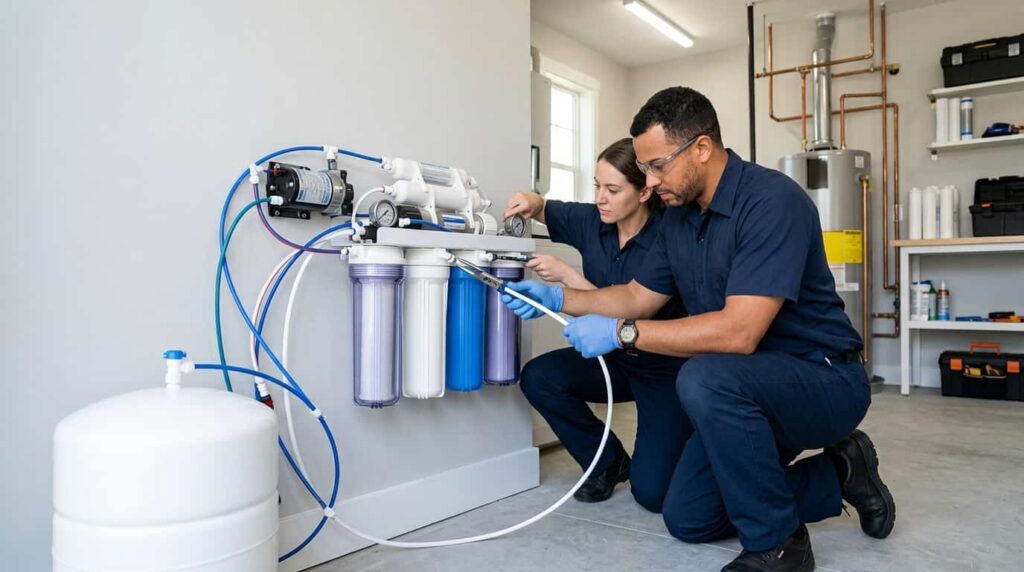
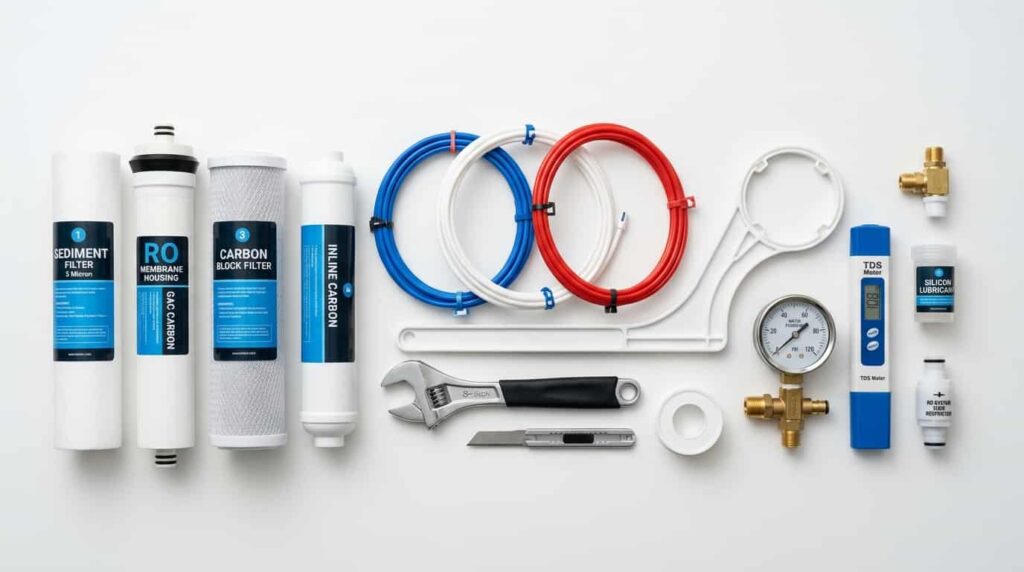
Reverse Osmosis Systems
Reverse osmosis systems provide high-quality drinking water by removing many dissolved impurities.
Ideal for:
- Drinking water
- Cooking
- Ice makers
- Coffee machines
Many Tucson homeowners pair reverse osmosis with a whole-house softener for complete water protection.
Whole House Water Filters
These systems filter water before it enters your home’s plumbing.
They help reduce:
- Sediment
- Chlorine
- Odors
- Certain contaminants
Every faucet in the home benefits from cleaner water.
Carbon Filtration Systems
Activated carbon effectively improves taste and odor by reducing chlorine and other compounds.
UV Water Purification
Homes using private wells may benefit from ultraviolet disinfection systems that help control bacteria and microorganisms without chemicals.
Choosing the Right Water Treatment Solution
Every household has different needs. Consider the following:
Family Size
Larger families typically require higher-capacity systems.
Water Usage
Homes with high daily water consumption need equipment designed for continuous performance.
Water Quality
Testing determines whether you need softening, filtration, purification, or a combination of systems.
Budget
A properly sized system reduces long-term maintenance costs while protecting expensive appliances.
Maintenance Requirements
Choose equipment that is easy to service and maintain regularly.
Benefits of Treating Your Home’s Water
A quality water treatment system provides long-term value beyond cleaner water.
Benefits include:
- Improved drinking water quality
- Better tasting beverages
- Healthier skin and hair
- Cleaner laundry
- Spot-free dishes
- Longer appliance lifespan
- Reduced plumbing repairs
- Better water pressure
- Lower maintenance costs
- Increased home value
Water Treatment Maintenance Tips
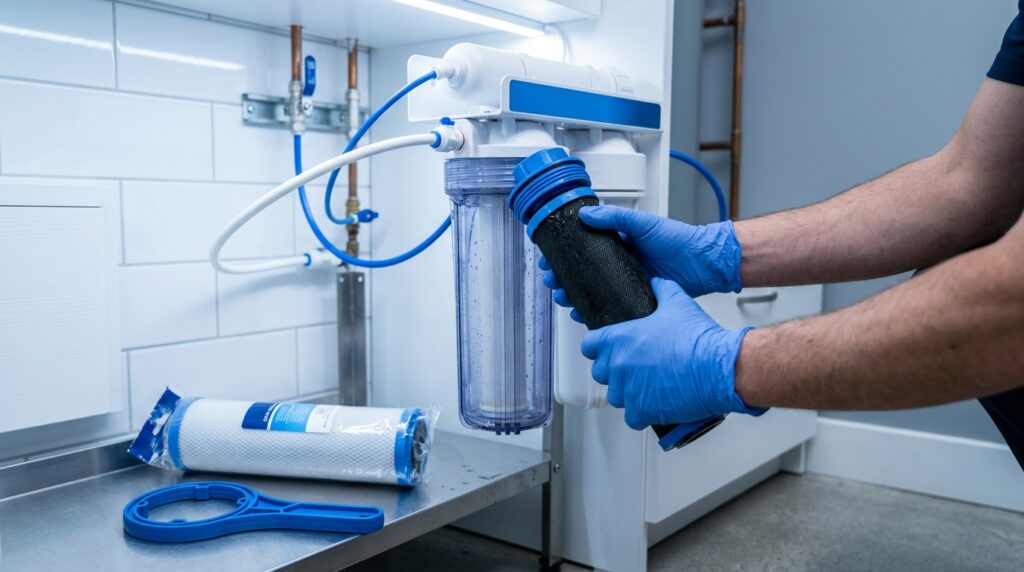
Regular maintenance ensures your equipment performs efficiently for years.
Follow these recommendations:
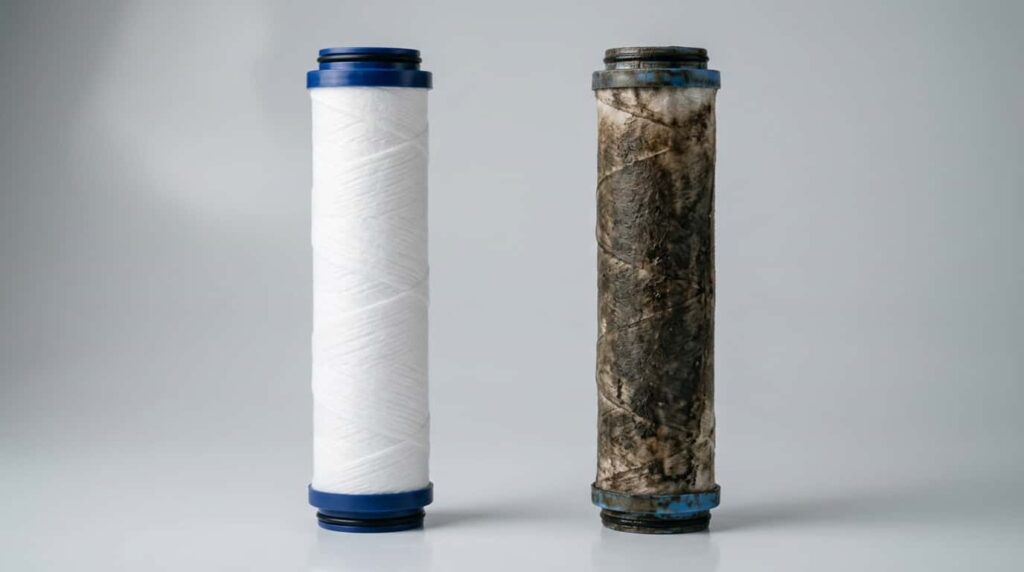
- Replace filters on schedule.
- Inspect water softener salt levels monthly.
- Sanitize reverse osmosis systems annually.
- Schedule professional inspections.
- Monitor water pressure.
- Test your water every year.
- Clean sediment filters regularly.
- Address unusual tastes or odors promptly.
Preventive maintenance extends system life and protects your investment.
Why Professional Installation Matters
Professional installation ensures your equipment operates efficiently from day one. Certified technicians correctly size the system, install it according to manufacturer specifications, and verify that every component functions properly.
Proper installation also helps prevent leaks, pressure problems, and costly repairs later.
If you’re unsure which solution is best for your home, a local water treatment specialist can evaluate your water quality and recommend equipment designed specifically for Tucson’s unique water conditions. Investing in the right system today can help protect your plumbing, appliances, and family for years to come.
Frequently Asked Questions
1. Why is Tucson water considered hard?
Tucson’s groundwater naturally contains high levels of calcium and magnesium, which cause hard water.
2. Do I need both a water softener and reverse osmosis system?
Many homeowners use both. A water softener protects the entire home, while reverse osmosis provides purified drinking water.
3. How often should I test my home’s water?
Experts recommend testing your water annually or whenever you notice changes in taste, odor, or appearance.
4. Will a water softener improve appliance life?
Yes. Soft water reduces mineral buildup that can shorten the lifespan of water heaters, dishwashers, washing machines, and other appliances.
5. Does reverse osmosis remove chlorine?
Yes. Most reverse osmosis systems significantly reduce chlorine along with many other dissolved contaminants.
6. How long do water filters last?
It depends on the type of filter and your water usage. Most filters require replacement every 6 to 12 months.
7. Is professional installation worth it?
Yes. Proper installation ensures the system performs efficiently and maintains warranty coverage.
8. What is the best water treatment system for Tucson homes?
The ideal solution depends on your water quality. Many homeowners benefit from a combination of a water softener, whole-house filtration, and reverse osmosis.
9. Can water treatment reduce plumbing repairs?
Yes. Removing minerals and sediment helps prevent scale buildup, protecting pipes and plumbing fixtures.
10. Where can Tucson homeowners get professional water treatment services?
A trusted local water treatment company can perform water testing, recommend the right equipment, install your system, and provide ongoing maintenance tailored to Tucson’s water conditions.