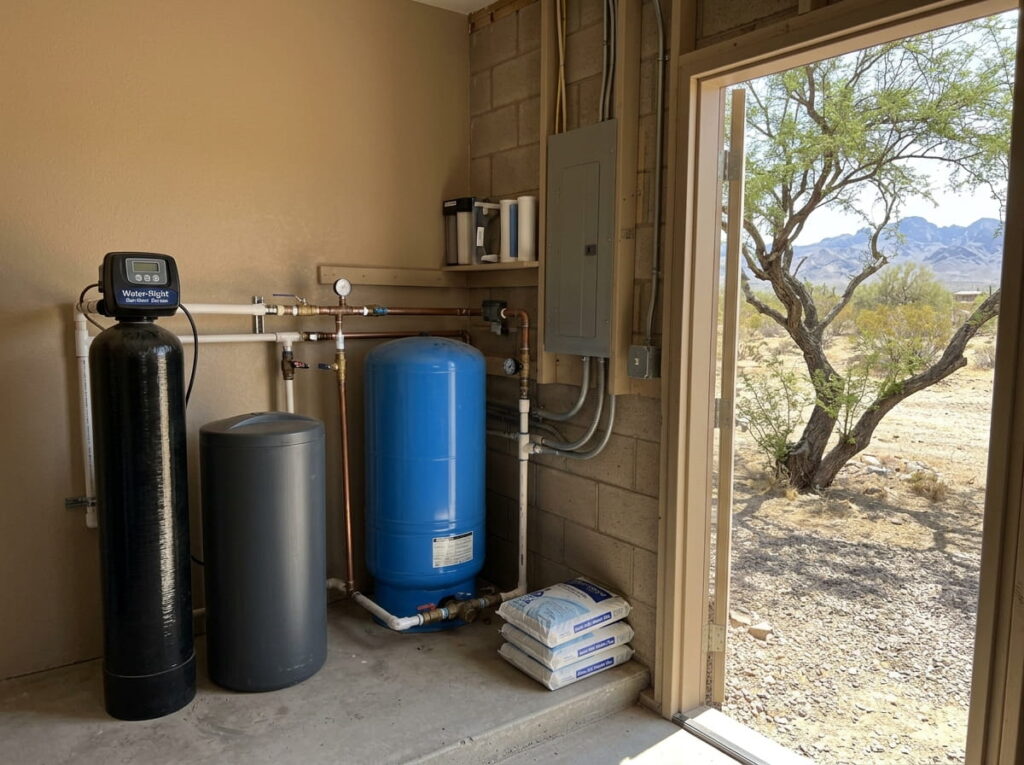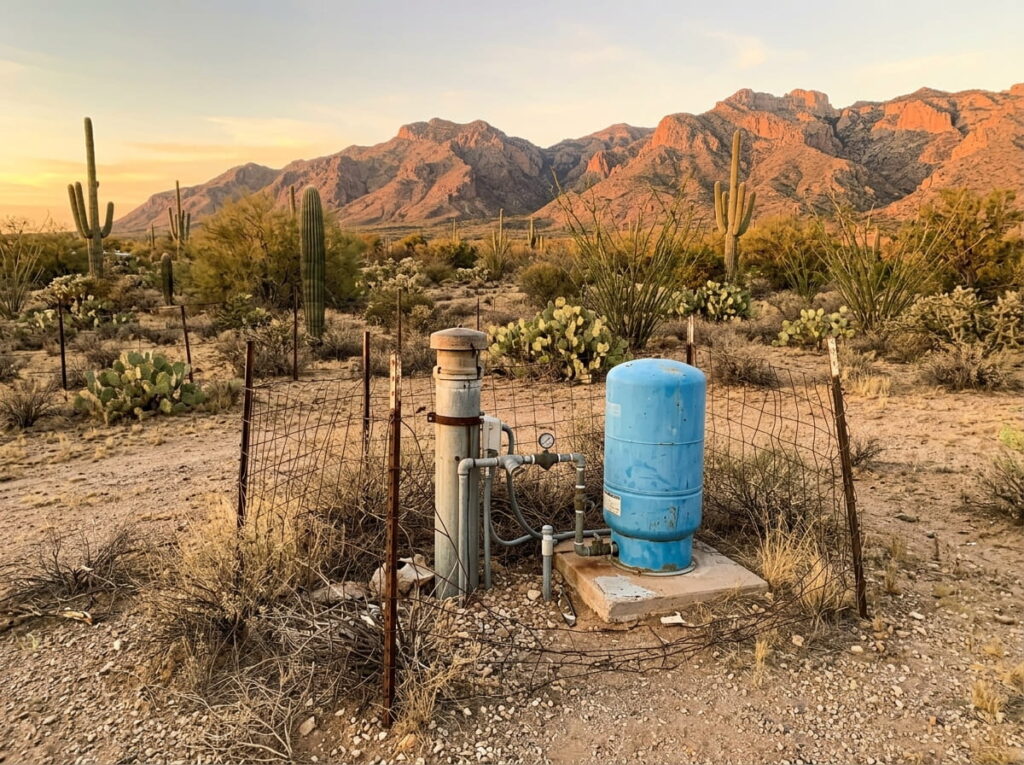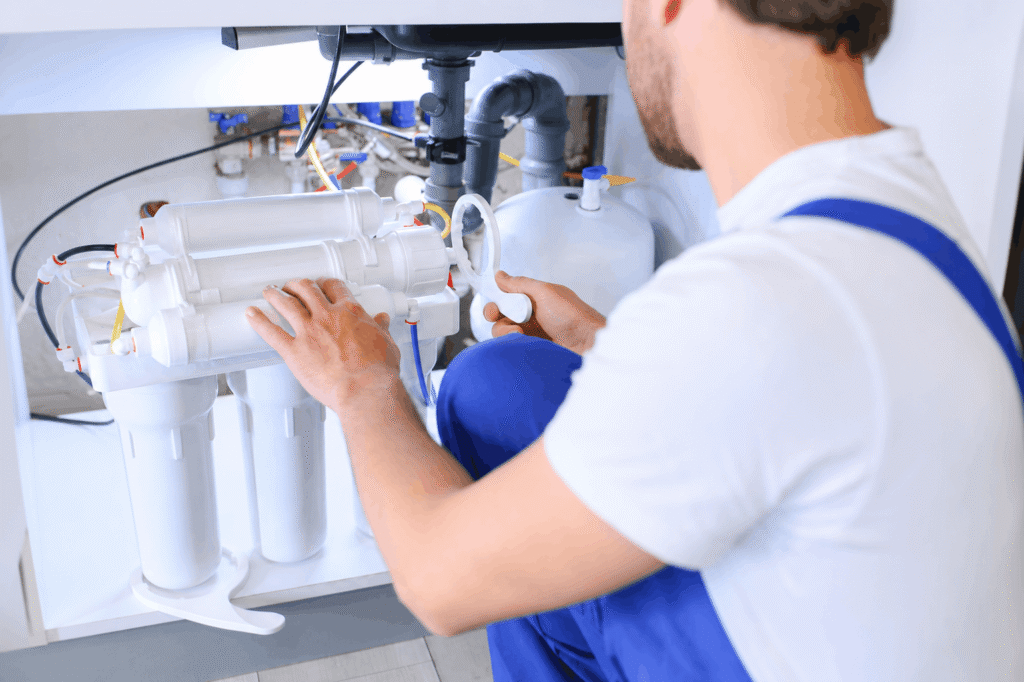
Clean, safe water is something every homeowner depends on every day. Whether you’re drinking a glass of water, preparing meals, washing dishes, or taking a shower, the quality of your water affects your health, comfort, and even the lifespan of your plumbing and appliances. Installing a water filtration system is an excellent way to improve water quality, but simply installing a filter is not enough. Regular Water Filter Replacement in Tucson is essential to ensure your system continues to perform as intended.
Many homeowners assume a water filter will last indefinitely, but every filter has a limited lifespan. As contaminants accumulate inside the filter media, its ability to remove impurities gradually decreases. Delaying replacement can reduce water quality, decrease water pressure, and even allow contaminants to pass through the system.
Understanding when to replace your water filters helps protect your home, your family, and your investment in water treatment equipment.
Why Water Filter Replacement Matters
Every water filter is designed to capture impurities such as sediment, chlorine, dirt, rust, and other unwanted contaminants. Over time, these materials accumulate inside the filter cartridge.
As the filter becomes saturated, it can no longer effectively remove contaminants. Instead of providing cleaner water, an old filter may restrict water flow and reduce the overall performance of your filtration system.
Routine Water Filter Replacement in Tucson helps ensure:
- Consistent water quality
- Better tasting water
- Improved water pressure
- Longer equipment lifespan
- Better appliance performance
- Reliable filtration throughout your home
Replacing filters on time is one of the simplest ways to maintain a healthy water treatment system.
How Long Do Water Filters Last?
There isn’t a single replacement schedule that works for every home. The lifespan of a water filter depends on several factors, including:
- Household water usage
- Number of people in the home
- Water quality
- Filter size
- Type of filtration media
- Manufacturer recommendations
Some filters may last only a few months, while others can perform effectively for a year or longer.
Instead of relying only on time, homeowners should also pay attention to changes in water quality and system performance.
Common Water Filter Replacement Guidelines
Although every system is different, these general recommendations can help homeowners understand when replacement may be necessary.
Sediment Filters
Sediment filters typically require replacement every 3 to 6 months, depending on the amount of dirt and debris in your water supply.
Homes with older plumbing or well water may need more frequent replacement.
Carbon Filters
Activated carbon filters often last 6 to 12 months.
These filters primarily reduce:
- Chlorine
- Taste
- Odor
- Certain organic contaminants
Once saturated, they gradually lose their ability to improve water quality.
Reverse Osmosis Filters
Reverse osmosis systems usually contain multiple filters.
Typical replacement intervals include:
- Pre-filters: every 6–12 months
- Post-filters: every 12 months
- RO membrane: every 2–5 years
Actual replacement schedules vary depending on water quality and household usage.
Whole House Water Filters
Whole house systems often require filter replacement every 6 to 12 months.
However, homes with higher sediment levels may require more frequent maintenance.
Professional inspections help determine the ideal schedule for your specific system.
Signs Your Water Filter Needs Replacement
Even if you don’t remember when your filter was installed, your water often provides clear warning signs.
1. Water Tastes Different
One of the earliest signs is a noticeable change in taste.
If your drinking water begins tasting:
- Metallic
- Chlorinated
- Bitter
- Unpleasant
your filter may no longer be removing contaminants effectively.
2. Unpleasant Odors
Water should have little or no odor.
If you begin noticing:
- Chlorine smell
- Musty odor
- Earthy smell
- Sulfur-like odor
your filter may be reaching the end of its service life.
3. Reduced Water Pressure
A clogged filter restricts water flow.
If faucets, showers, or appliances suddenly experience lower pressure, the filter could be full of trapped sediment.
Replacing the filter often restores normal water flow.
4. Cloudy Water
Water that appears cloudy or contains visible particles may indicate that your filtration system is no longer removing sediment effectively.
Although cloudy water isn’t always caused by a worn filter, it’s an important sign that your system should be inspected.
5. Visible Sediment
If you notice particles settling in glasses or containers, the filter may no longer be capturing contaminants.
Sediment can also affect plumbing fixtures and household appliances over time.
A Simple Step That Protects Your Entire Home
Replacing a water filter on schedule is far less expensive than repairing appliances damaged by untreated water or dealing with poor water quality throughout your home. If you’ve noticed changes in taste, odor, pressure, or water clarity, having your filtration system inspected can help identify the right replacement schedule and keep your water treatment system performing efficiently.
What Happens If You Don’t Replace Your Water Filter?
Ignoring filter replacement can create several problems.
Reduced Water Quality
As filters become saturated, they lose their ability to trap contaminants effectively.
Your water quality gradually declines without many homeowners noticing immediately.
Poor Appliance Performance
Sediment and minerals can build up inside:
- Dishwashers
- Water heaters
- Ice makers
- Washing machines
Proper filtration helps reduce unnecessary wear.
Increased Plumbing Problems
Dirty filters allow more sediment to enter your plumbing system.
Over time, buildup can contribute to clogged fixtures and reduced water flow.
Higher Maintenance Costs
Delaying inexpensive filter replacement often leads to more expensive repairs later.
Regular maintenance helps protect your investment.
Factors That Affect Filter Lifespan
Several conditions influence how often Water Filter Replacement in Tucson is required.
Water Quality
Homes with higher sediment levels naturally require more frequent replacement.
Household Size
More occupants means higher water usage.
Greater water consumption shortens filter life.
Well Water vs Municipal Water
Private wells often contain more sediment than municipal water supplies.
This may increase replacement frequency.
Filter Quality
Higher-quality filters often last longer while maintaining better performance.
Investing in quality replacement cartridges can improve long-term value.
Should You Replace Water Filters Yourself or Hire a Professional?
Some water filtration systems are designed with user-replaceable cartridges, making routine maintenance relatively simple. However, replacing the filter is only one part of keeping your system operating efficiently.
Professional maintenance offers several advantages, including:
- Inspecting the entire filtration system
- Checking water pressure
- Looking for leaks
- Ensuring filters are installed correctly
- Identifying worn components before they fail
- Verifying the system is delivering the expected water quality
If your home has a whole house filtration system, reverse osmosis unit, or multiple-stage water treatment equipment, scheduling periodic professional service helps ensure every component continues to perform properly.
Why Tucson Homeowners May Need More Frequent Water Filter Replacement
Water quality varies from one location to another, and Tucson homeowners often face unique water treatment challenges.
Many homes receive water that contains:
- High mineral content
- Sediment
- Chlorine used during municipal treatment
- Hard water minerals
These conditions can cause filters to reach capacity sooner than expected, especially in larger households or homes with higher daily water usage.
Because every home’s water quality is different, a replacement schedule should be based on actual water conditions rather than a fixed calendar. Routine inspections and water testing can help determine when filters should be changed for the best performance.
Simple Tips to Extend the Life of Your Water Filters
While no filter lasts forever, proper maintenance can help maximize its lifespan.
Here are a few simple habits every homeowner should follow:
Monitor Water Pressure
A sudden drop in pressure often indicates that the filter is becoming clogged.
Follow Manufacturer Recommendations
Replacing filters according to the recommended schedule helps maintain consistent performance.
Schedule Regular Water Testing
Water quality can change over time. Periodic testing helps determine whether your current filtration system still meets your home’s needs.
Use High-Quality Replacement Filters
Choosing quality replacement cartridges helps maintain filtration performance and protects your equipment.
Don’t Ignore Changes in Water Quality
Taste, odor, cloudiness, or visible sediment are all signs that your filtration system may need attention.
Choosing the Right Water Filter for Your Home
Not every home requires the same type of filtration system.
Depending on your water quality, your home may benefit from:
- Whole House Water Filters
- Reverse Osmosis Systems
- Water Softeners
- Drinking Water Filtration Systems
- Commercial Water Treatment Solutions
The right solution depends on factors such as your water source, household size, water usage, and the contaminants present in your water.
Professional water testing provides valuable information before selecting or replacing any filtration equipment.
Why Routine Maintenance Is Just as Important as Installation
Many homeowners invest in a high-quality filtration system but forget that ongoing maintenance is what keeps it performing effectively.
Routine maintenance helps:
- Maintain water quality
- Protect plumbing fixtures
- Extend appliance lifespan
- Improve filtration efficiency
- Reduce unexpected repair costs
- Ensure consistent system performance
A well-maintained filtration system continues to deliver cleaner water while helping protect your home’s plumbing and water-using appliances.
Choosing a Trusted Water Treatment Professional
When it comes to Water Filter Replacement in Tucson, experience matters.
A qualified water treatment company should offer:
- Professional water testing
- Customized filtration recommendations
- Certified installation
- Routine maintenance
- Filter replacement services
- System inspections
- Long-term customer support
Desert Water Services has been helping Arizona homeowners improve their water quality for more than 35 years. Their experienced team provides customized residential and commercial water treatment solutions, including whole house water filters, reverse osmosis systems, water softeners, professional maintenance, and routine filter replacement based on each home’s specific water conditions.
Final Thoughts
Replacing your water filters on time is one of the easiest ways to maintain cleaner, better-tasting water while protecting your plumbing and appliances. Although replacement schedules vary depending on your system and water quality, paying attention to changes in taste, odor, pressure, and overall performance can help you know when it’s time for a new filter.
Routine Water Filter Replacement in Tucson not only improves water quality but also helps your filtration system operate efficiently for years to come. Whether you use a whole house filtration system, reverse osmosis unit, or drinking water filter, regular maintenance ensures your investment continues to deliver reliable performance every day.
Frequently Asked Questions
1. How often should I schedule Water Filter Replacement in Tucson?
Most water filters should be replaced every 3 to 12 months, depending on the type of filter, water quality, and household water usage.
2. What are the signs that my water filter needs replacing?
Common signs include unpleasant taste, chlorine odor, cloudy water, reduced water pressure, visible sediment, or changes in water quality.
3. Can I replace my water filter myself?
Many cartridge filters are designed for homeowner replacement, while whole house filtration systems and reverse osmosis systems often benefit from professional servicing.
4. Does Tucson’s water affect how often filters should be replaced?
Yes. Hard water, sediment, and mineral content can reduce filter lifespan, making routine maintenance especially important for Tucson homeowners.
5. Will an old water filter reduce water pressure?
Yes. As contaminants build up inside the filter, water flow may become restricted, resulting in lower water pressure throughout the home.
6. Do whole house water filters require regular maintenance?
Yes. Regular inspections and filter replacements help maintain water quality and protect your plumbing system.
7. How do I know which replacement filter my system needs?
The correct replacement depends on your filtration system model, water quality, and the contaminants being treated. A professional inspection can help identify the right filter.
8. Can delaying filter replacement damage my appliances?
Yes. Reduced filtration may allow sediment and minerals to enter appliances, increasing wear and reducing efficiency over time.
9. Is professional water testing necessary before replacing a filter?
Water testing is recommended, especially if you’ve noticed changes in your water quality or are considering upgrading your filtration system.
10. Why choose Desert Water Services for Water Filter Replacement in Tucson?
Desert Water Services provides customized water treatment solutions, professional filter replacement, water testing, expert installation, and ongoing maintenance backed by more than 35 years of experience serving Arizona homeowners and businesses.