Replacing a water heater is a major household expense. Therefore, homeowners expect the equipment to last a decade or more. However, many Tucson residents face premature equipment breakdowns. Specifically, water heater failure hard water Tucson issues are the leading cause of early replacements in our region.
Tucson’s water supply is notoriously harsh. Furthermore, it contains high levels of dissolved calcium and magnesium. Consequently, these minerals create a destructive layer of scale inside your plumbing and appliances.
Desert Water Services diagnoses and fixes these water issues daily. Additionally, we see firsthand how hard water shortens the lifespan of water heaters. Ultimately, understanding this connection helps you protect your home and your wallet.
The Silent Killer: How Scale Forms Inside Your Tank
Water heaters constantly heat and store hard water. As the temperature rises, the calcium and magnesium separate from the water. Consequently, they solidify and attach to the metal surfaces inside the tank.
This solid crust is called scale. Furthermore, it coats the heating elements and the tank lining. Over time, this layer grows thicker. Additionally, it creates a barrier between the heating element and the water it needs to heat.
This buildup directly triggers water heater failure hard water Tucson problems. Specifically, the scale prevents the water from absorbing heat efficiently. Therefore, the heating element overheats and burns out prematurely. Ultimately, the tank may rupture, flooding your utility room.
The Energy Penalty: Why Your Bills Are Going Up
A water heater coated in scale must work significantly harder. Specifically, the insulating layer of minerals forces the system to run longer to reach the set temperature. Furthermore, this extra run time consumes more gas or electricity.
Industry data shows that scale buildup can reduce efficiency by up to 29%. Consequently, you pay for energy that never heats your water. Additionally, the constant overheating puts immense stress on the internal components.
For homeowners looking to lower utility bills, eliminating scale is a top priority. Moreover, preventing scale is easier and cheaper than treating a scaled tank. Ultimately, an efficient system pays for itself over time.
Sediment Buildup and the “Popping” Noise
Beyond the heating element, scale falls to the bottom of the tank as sediment. Over time, a thick layer of sand-like minerals covers the burner plate. Consequently, the water gets trapped underneath the sediment.
When the burner fires up, it boils this trapped water. Furthermore, this creates the loud popping, rumbling, or cracking sounds you hear from your heater. Additionally, this boiling process causes the tank to overheat.
The Danger of Tank Rupture
This intense, localized heat stresses the glass-lined steel tank. Consequently, the steel expands and cracks. Furthermore, once the tank leaks, it cannot be repaired.
A full tank replacement costs thousands of dollars. Therefore, ignoring the popping sounds leads to inevitable water heater failure hard water Tucson incidents. Ultimately, addressing the water chemistry prevents this destructive cycle.
Signs Your Water Heater is Already Failing
Homeowners must recognize the warning signs early. Specifically, look for a sudden decrease in hot water capacity. Furthermore, if the hot water runs out faster than it used to, scale is likely the culprit.
Additionally, check for rusty or discolored hot water. While this can indicate a failing anode rod, it also signals tank corrosion from overheating. Moreover, rising energy bills without increased usage point directly to scale.
Another major sign is the noise. Furthermore, that rumbling sound is the sound of boiling water trapped under sediment. If you notice any of these symptoms, call a professional immediately. Consequently, early intervention saves you from a catastrophic leak.
The Ultimate Solution: Water Softener Installation
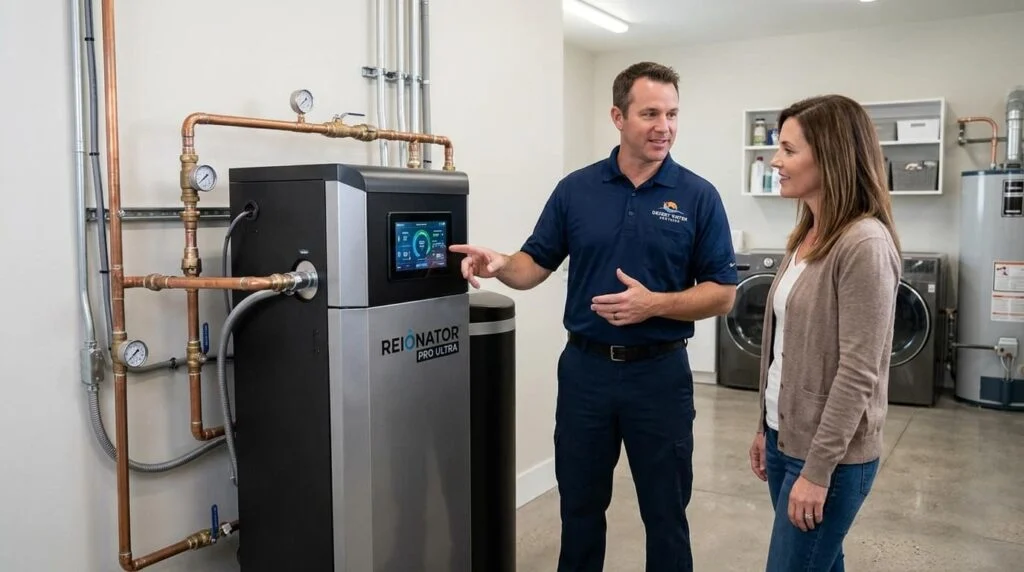
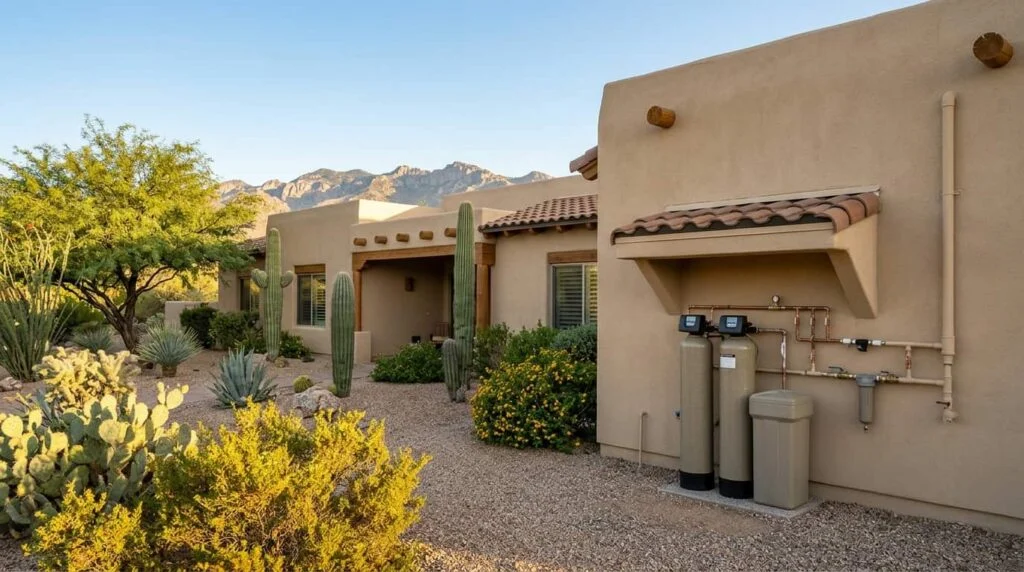
The only permanent fix for this problem is a water softener. Specifically, a water softener installation Tucson homeowners trust removes the root cause. Furthermore, the system removes the calcium and magnesium before the water enters the heater.
By eliminating the hardness minerals, no scale can form. Consequently, the water heater operates at its designed efficiency. Additionally, the heating elements remain clean, and the tank stays free of sediment.
Flushing is Not Enough
Regularly flushing your water heater helps remove existing sediment. However, it does not prevent scale from forming the next day. Moreover, flushing an older tank can sometimes dislodge weak spots and cause a leak.
A water softener provides continuous protection. Therefore, you protect your new heater investment. Ultimately, softened water is the most effective defense against water heater failure hard water Tucson.
Extending the Lifespan of Your New Heater
If you are replacing a water heater, you must install a softener immediately. Specifically, installing a new heater without treating the water condemns the new unit to the same early failure. Consequently, you void the warranty on many modern heaters if you do not use soft water.
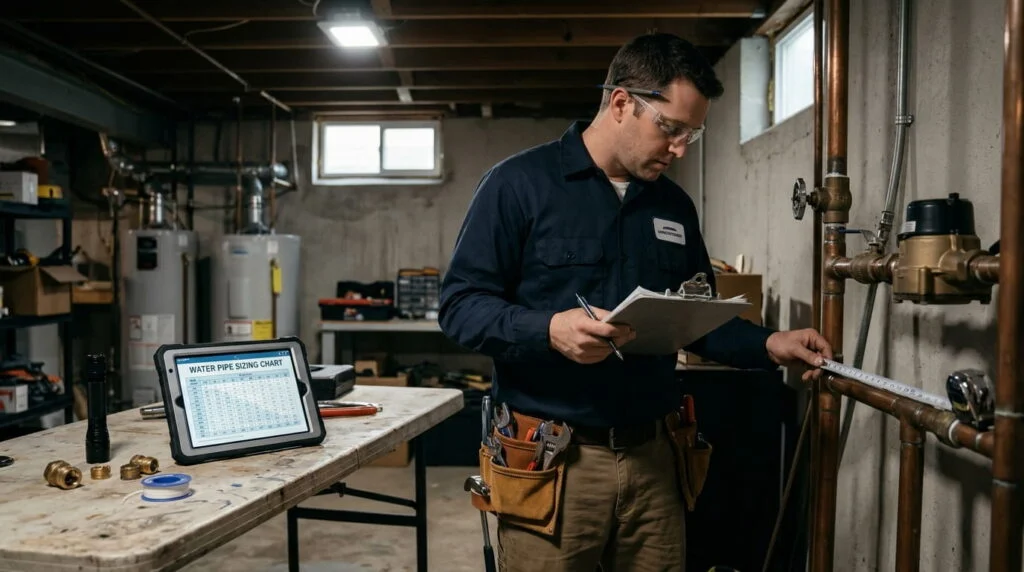
Desert Water Services installs both systems seamlessly. Furthermore, we ensure the softener is sized correctly for your household’s water demands. Additionally, we place the softener on the cold line feeding the heater.
With a softener, a standard tank heater can last its full expected lifespan of 10 to 12 years. Moreover, tankless units remain efficient and scale-free. Ultimately, protecting your new investment is a smart financial decision.
The ROI of Softened Water
A water softener is an additional upfront cost. However, a water softener installation Tucson delivers immediate financial returns. Specifically, you save on energy bills because the heater runs less. Furthermore, you preserve the lifespan of your plumbing fixtures and appliances.
You also save money on soap and detergents. Additionally, soft water feels better on the skin and leaves laundry softer. Therefore, the softener improves your overall quality of life while protecting your home infrastructure.
When you weigh the cost of a softener against a premature heater replacement, the math is clear. Consequently, the softener is a protective investment. Ultimately, it prevents the cycle of early replacements and high utility bills.
Conclusion
Water heater failure hard water Tucson is a preventable tragedy. Specifically, the aggressive minerals in our local water supply destroy un-protected tanks and heating elements. Furthermore, they drive up energy costs and lead to premature replacements.
Do not let hard water destroy your home’s plumbing. Consequently, contact Desert Water Services for a free water test. We will evaluate your water hardness and recommend the right water softener for your home.
Protect your water heater today. Therefore, schedule your free test and secure your home’s water future. Ultimately, a small investment now saves you thousands in emergency repairs.
Frequently Asked Questions
1. Why do water heaters fail early in Tucson?
Water heater failure hard water Tucson issues are the primary cause. High calcium and magnesium levels form scale on heating elements and tank bottoms, causing overheating and premature ruptures.
2. How does scale reduce water heater efficiency?
Scale acts as an insulator. It prevents the heating element from transferring heat to the water efficiently. Therefore, the heater runs longer, consuming more energy to reach the desired temperature.
3. What causes a popping noise in my water heater?
Popping or rumbling noises occur when scale falls to the bottom of the tank and creates a sediment layer. The burner heats this trapped water, causing it to boil and make noise.
4. Can I just flush my water heater instead of buying a softener?
Flushing removes existing sediment but does not stop new scale from forming. Because Tucson water is extremely hard, scale will quickly return. A softener is the only preventive solution.
5. Will a water softener void my water heater warranty?
Conversely, hard water often voids heater warranties. Manufacturers require soft water because it prevents the scale damage that causes early failures.
6. How long will a water heater last in Tucson with a softener?
With a properly sized water softener, a traditional tank water heater should last its full expected lifespan of 10 to 12 years. Tankless units will also run efficiently without descaling issues.
7. What are the first signs of a failing water heater?
Look for popping noises, a sudden decrease in hot water capacity, rusty hot water, and rising energy bills. These are all indicators of severe scale buildup.
8. Does a softener remove the sediment already in my tank?
No. A softener only treats water flowing into the heater. If your tank already has heavy sediment, it may need professional flushing, or it may be too damaged to save.
9. Can I install a softener myself to save money?
Professional water softener installation Tucson services ensure the system is sized correctly and installed without leaks. Improper installation can damage your plumbing and void warranties.
10. How do I schedule a water softener installation in Tucson?
Contact Desert Water Services. We offer a free water test to determine your hardness levels and will provide a quote for a custom softener installation.