If your water softener or filtration system has run quietly in the background for months, it’s easy to forget it needs attention too. A professional tune-up is one of the most overlooked services in home water treatment. Yet it’s often the difference between a system that lasts 10 years and one that fails at year 3.
Here’s exactly what a proper tune-up includes, why it matters so much in Tucson, and how Desert Water Services approaches every service call.
1. Full System Inspection
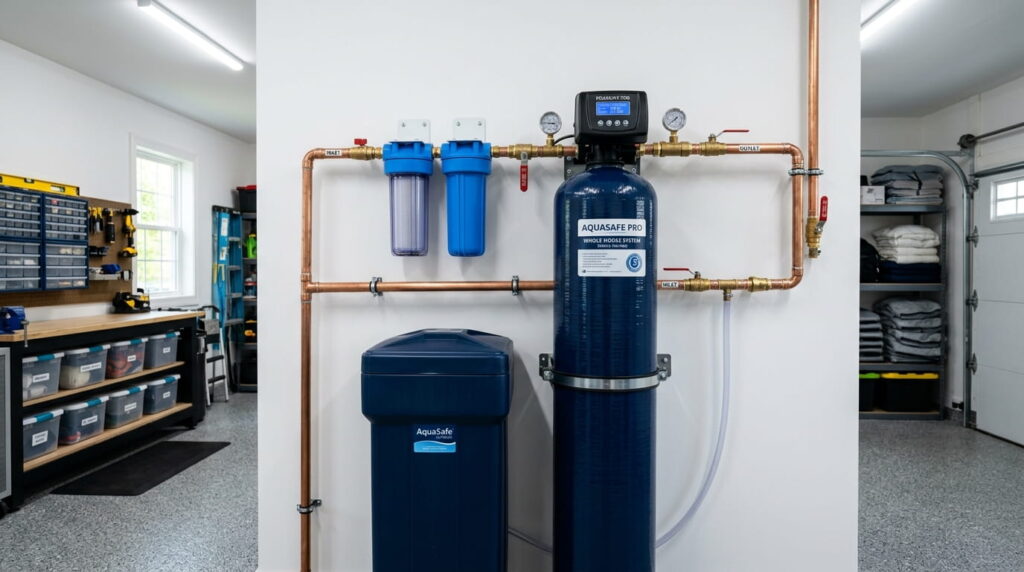
A technician starts by checking every component: the resin tank, brine tank, control valve, bypass valve, and all connecting fittings. Tucson’s extreme heat wears down seals and O-rings faster than milder climates do. This step catches small leaks before they become big repairs.
At Desert Water Services, every inspection includes a full visual and functional check of the entire system, not just the parts most likely to fail. Technicians document the condition of each component so you have a clear record of your system’s health over time.
2. Resin Bed Check and Cleaning
Over time, sediment, iron, and manganese coat the resin beads inside your softener. This is common in Tucson’s water supply. Buildup reduces how effectively the system removes hardness minerals. A tune-up includes checking resin condition and cleaning or resanitizing the bed when needed.
This step matters more here than almost anywhere else in the country. Tucson’s groundwater and municipal supply both carry mineral loads that coat resin faster than average, which means a bed that looks fine on the surface may already be losing efficiency underneath.
3. Salt and Brine Tank Service
Salt bridging and mushing rank among the most common softener problems, especially during humid summer months. A technician breaks up any bridging, cleans the brine tank, and confirms the correct salt level so your system regenerates properly.
Desert Water Services technicians also check salt type and usage patterns against your household size. Many homeowners use the wrong salt grade for their system, which quietly shortens its lifespan and reduces softening performance.
4. Control Valve and Programming Check
The control valve tells your system when to regenerate. Incorrect settings, or settings that drift over time, waste salt and water or stop your system from softening properly. Tune-ups include verifying and recalibrating these settings based on your household’s actual water usage.
This is one of the most commonly skipped steps in budget maintenance visits, and one of the most important. A system regenerating on the wrong schedule can waste hundreds of gallons of water a year without you ever noticing a change in performance.
5. Water Hardness and Flow Testing
A technician tests your water for hardness levels before and after the tune-up. They also measure water flow to confirm there’s no pressure loss from clogged filters or scaled pipes.
Desert Water Services provides these readings directly to homeowners, so you can see measurable proof that your system is performing the way it should, not just take a technician’s word for it.
6. Filter Replacement (If Needed)
Sediment filters, carbon filters, and pre filters all have a service life. A tune-up includes checking filter condition and replacing anything past its effective lifespan. Using filters past their rated capacity can allow sediment and chlorine back into your water supply, undoing much of what your system is designed to do.
7. Leak and Drain Line Inspection
Technicians check drain lines and overflow tubes for clogs, kinks, or leaks. A small issue here can lead to water damage or a system that fails to regenerate correctly. Left unaddressed, a slow leak in a drain line can run for months before it’s noticed, often causing damage to flooring or nearby walls.
Why This Matters More in Tucson
Tucson has some of the hardest water in the state. The desert heat also puts extra strain on rubber seals, plastic fittings, and electronic control heads. Systems here work harder than in most other regions. Routine tune-ups aren’t optional maintenance. They protect your investment.
Desert Water Services has built its maintenance program specifically around these local conditions, rather than applying a generic national service checklist. That local focus is part of why homeowners across Tucson trust the company for both installation and long-term system care.
How Often Should You Schedule One?
Most manufacturers recommend a tune-up once a year. Homes on well water or with heavier usage may need service every 6 to 8 months.
Has it been more than a year since your last inspection? Have you noticed weaker water pressure, spotty dishes, or a spike in salt usage? Get your system checked before small issues turn into a full replacement.
As a certified water treatment company in Tucson, Desert Water Services inspects, calibrates, and services your system to manufacturer standards, not just a quick once over. A proper tune-up now, backed by a team that knows Tucson’s water inside and out, can save you hundreds in emergency repairs later.
1. How long does a professional water system tune-up take?
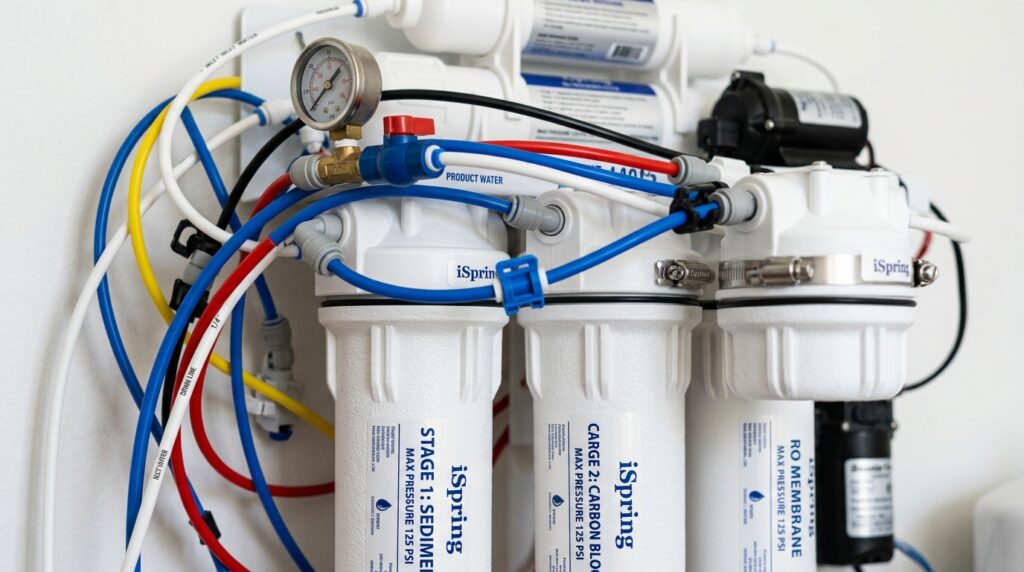
Most tune-ups take between 30 minutes to an hour, depending on the type of system and whether any parts need cleaning or replacement. Systems with multiple stages, like a softener paired with a reverse osmosis unit, may take a bit longer.
2. Can I do a water system tune-up myself?
You can handle basic tasks like checking salt levels or breaking up minor bridging, but a full tune-up involves checking resin condition, calibrating the control valve, and testing water hardness and flow, which requires equipment and training most homeowners don’t have. DIY checks are a good supplement, not a replacement for professional service.
3. What happens if I skip my annual tune-up?
Skipping maintenance usually shows up gradually: weaker softening, higher salt usage, reduced water pressure, or a system that regenerates at the wrong times. Left unchecked, these small issues often lead to costly repairs or a shortened system lifespan.
4. How do I know if my water system needs a tune-up sooner than scheduled?
Watch for signs like spotty dishes, dry skin after showers, a sudden increase in salt consumption, unusual noises during regeneration, or a noticeable drop in water pressure. Any of these can mean your system needs attention before the next scheduled service.
5. Is a tune-up different from a repair?
Yes. A tune-up is preventive, it’s about inspecting, cleaning, and calibrating a system that’s still working to keep it running efficiently. A repair happens after something has already failed or stopped working correctly. Regular tune-ups are what help you avoid needing repairs in the first place.