Type 1, Type 2, and Type 3 water are terms used mainly in laboratories to describe different levels of purified water. These classifications relate to scientific testing, research, and other applications where water quality can affect results. They are not the same as residential drinking-water categories.
The ASTM D1193 standard provides specifications for reagent water used in laboratory applications. These specifications can include conductivity, resistivity, total organic carbon (TOC), silica, sodium, chloride, pH, endotoxins, and microbiological quality.
In simple terms, Type 1 water has very high purity and supports sensitive laboratory work. Type 2 water provides high purity for many general laboratory applications. Type 3 water works well for routine laboratory tasks that do not require the highest level of purification.
For homeowners, the situation is different. A Water Purification System in Arizona should address the actual quality of the home’s water rather than use laboratory classifications as a guide. Water testing can help determine whether a home needs filtration, softening, reverse osmosis, or another treatment solution.
What Is Type 1 Water?
Type 1 water is extremely high-purity water designed for demanding laboratory applications. Scientists use it when even small amounts of impurities can affect an experiment, test, or measurement.
This water contains very low levels of ions and other unwanted substances. As a result, it can support sensitive analytical procedures and research where water purity plays an important role.
Common uses include molecular biology, trace-element analysis, sensitive chemical testing, preparation of critical laboratory solutions, and certain pharmaceutical or research procedures.
A Type 1 purification system may use several treatment stages. For example, a system can combine reverse osmosis, deionization, ultraviolet treatment, ultrafiltration, and final polishing.
However, Type 1 water does not automatically mean “safe drinking water.” Laboratory water standards and drinking-water standards serve different purposes.
For homeowners, a residential Water Purification System in Arizona should instead match the home’s water source, contaminants, and intended use.
What Is Type 2 Water?
Type 2 water provides a high level of purity for many routine laboratory and analytical applications. It does not normally require the same level of purification as applications that need Type 1 water.
Laboratories can use Type 2 water for general testing, reagent preparation, buffer preparation, chemical analysis, and laboratory equipment.
In the past, laboratories often used distillation to produce this type of purified water. Today, different purification technologies can meet the required specifications when the finished water meets the appropriate standard.
The exact quality requirements depend on the application. Therefore, laboratory professionals should check the required conductivity, resistivity, TOC, and other specifications before selecting a purification system.
For residential properties, the requirements are different. A Water Purification System in Arizona may combine technologies such as carbon filtration, reverse osmosis, sediment filtration, or water softening based on the home’s specific needs.
What Is Type 3 Water?
Type 3 water is purified water for less demanding laboratory applications. It provides useful purification without requiring the extremely high purity needed for sensitive analytical procedures.
Laboratories may use Type 3 water for glassware rinsing, general cleaning, preparation of some solutions, and other routine processes. It can also serve as feed water for a system that produces higher-purity water.
Several technologies can produce Type 3 water. These can include reverse osmosis, ion exchange, distillation, and combinations of different treatment methods.
Because Type 3 water does not need to meet the same requirements as some higher-purity laboratory applications, it can provide a practical option for routine work.
For Arizona homeowners, however, the goal is usually different. A residential Water Purification System in Arizona should focus on improving the quality of water used for drinking, cooking, bathing, and other household purposes.
Type 1 vs. Type 2 vs. Type 3 Water
The easiest way to understand Type 1, Type 2, and Type 3 water is to compare their typical uses.
Type 1 water supports critical laboratory applications that require extremely high purity. Type 2 water works well for many general analytical and laboratory tasks. Type 3 water supports routine laboratory processes where extremely low contamination levels are not necessary.
| Water Type | Typical Use | General Purity |
|---|---|---|
| Type 1 | Sensitive laboratory analysis and critical applications | Very high |
| Type 2 | General laboratory and analytical work | High |
| Type 3 | Routine laboratory work and rinsing | Purified |
| Type 4 | Basic laboratory applications | Lower than Types 1–3 |
These categories describe laboratory water requirements. They do not classify normal household drinking water.
Therefore, homeowners should not choose a residential Water Purification System in Arizona simply because a company uses a laboratory water-type label in its marketing. Instead, the system should address the actual water-quality concerns found through testing.
How Are Different Types of Purified Water Produced?
Different purification technologies can produce purified water. The system design depends on the required water quality and intended application.
Reverse Osmosis
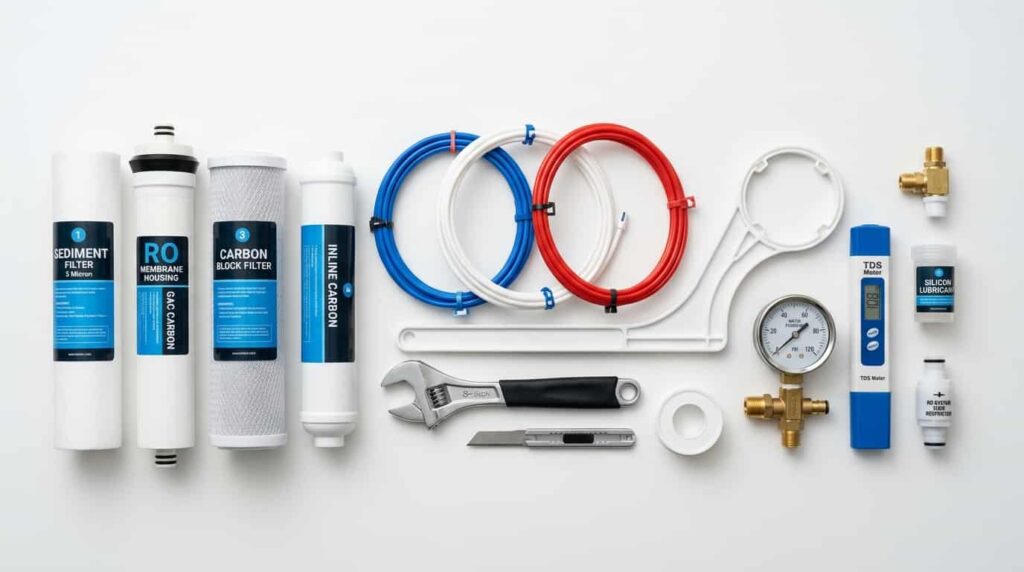
Reverse osmosis, commonly called RO, pushes water through a semipermeable membrane. The membrane reduces many dissolved salts, contaminants, and other unwanted substances.
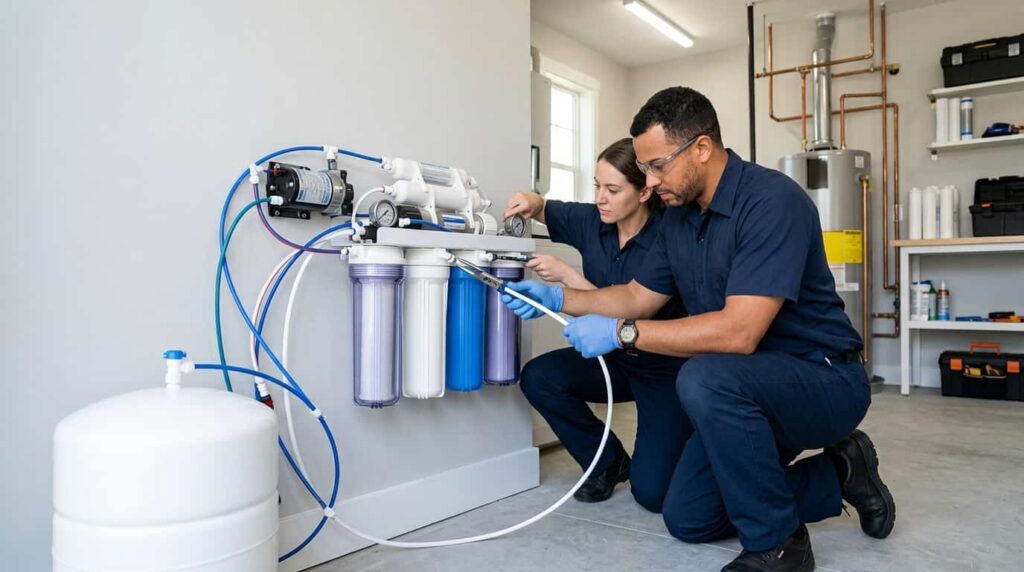
RO is widely used in residential, commercial, and laboratory water treatment. In homes, it can form an important part of a Water Purification System in Arizona, especially when homeowners want additional treatment for drinking and cooking water.
Deionization
Deionization uses ion-exchange resins to remove charged dissolved ions from water. This process can produce water with very low ionic contamination.
Laboratories often combine deionization with other purification technologies when they need higher-purity water.
Distillation
Distillation heats water and then collects the condensed vapor. This process can separate many dissolved substances from the water.
Although laboratories have traditionally used distillation for certain purified-water applications, modern systems can use other technologies when they meet the required specifications.
Filtration
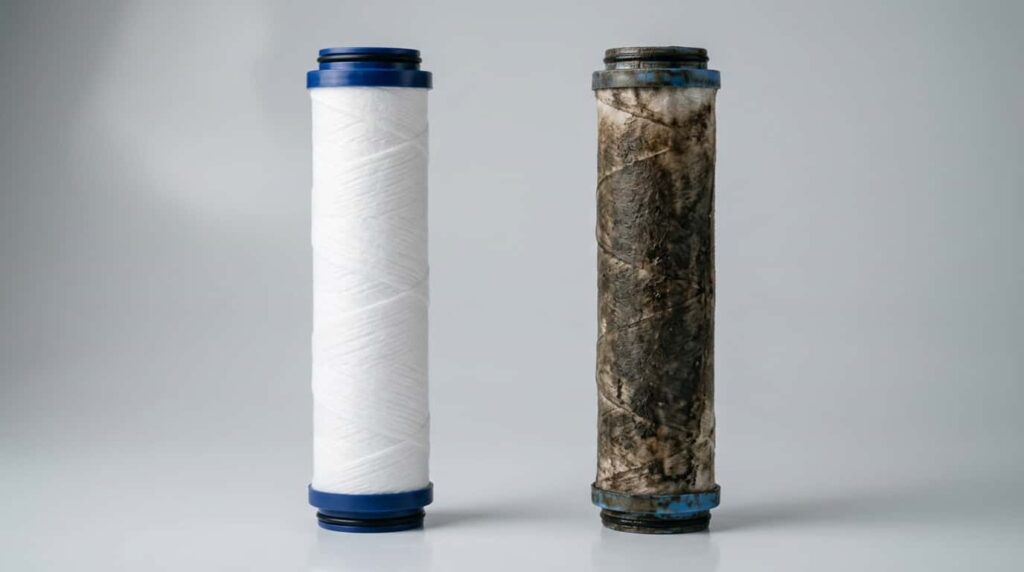
Filtration removes particles from water. Depending on the filter technology, it can also help reduce microorganisms and other unwanted substances.
Residential filtration systems can target specific concerns such as sediment, taste, odor, or selected contaminants. The right filter depends on the water test results.
Is Type 1, Type 2, or Type 3 Water Safe to Drink?
Type 1, Type 2, and Type 3 water are laboratory classifications, not drinking-water safety classifications.
That distinction is important. Laboratory water standards focus on scientific testing and research. Drinking water follows different requirements designed for human consumption.
Therefore, homeowners should not assume that laboratory Type 1 water is automatically better for drinking.
Instead, choose a Water Purification System in Arizona according to the quality of the home’s water and the contaminants that need to be reduced.
For example, a homeowner may need a water softener because of hard water. Another home may benefit from reverse osmosis for drinking water. A different property may need sediment filtration or specialized well-water treatment.
What Do These Water Types Mean for Arizona Homeowners?
For Arizona homeowners, the more useful question is not whether the home needs Type 1 water. Instead, the better question is, “What is in my water, and what treatment does my home need?”
Water conditions can vary across Arizona. Homes may receive water from municipal systems, wells, or other sources. As a result, different properties can have different treatment requirements.
For example, a homeowner dealing with hard water may need a water softener. Someone concerned about dissolved salts or certain drinking-water contaminants may consider reverse osmosis. Meanwhile, a property with sediment problems may need sediment filtration.
Private wells require additional attention. Since well water comes from an individual source, testing can help identify specific water-quality issues before the homeowner invests in treatment equipment.
Choosing a Water Purification System in Arizona
Choosing the right system starts with understanding the water problem.
A homeowner should consider the water source, test results, household needs, and the contaminants that require treatment. These factors can help determine whether the property needs filtration, softening, reverse osmosis, or specialized treatment.
For example, a home with hard water may benefit from a water softener. A home with concerns about drinking-water contaminants may need a point-of-use reverse osmosis system. Meanwhile, a property with sediment or odor concerns may need additional filtration.
The best Water Purification System in Arizona is not necessarily the system with the most filters. Instead, it is the system that provides the right treatment for the property’s actual water conditions.
Why Should You Test Your Water First?
Water testing should come before choosing a treatment system whenever possible.
Clear water does not always mean that the water has no quality concerns. Some dissolved substances cannot be seen, smelled, or tasted. Testing can provide useful information about the water and help determine which treatment technology makes sense.
For Arizona homeowners using municipal water, local water-quality information can provide useful background. However, private well owners should consider testing their individual well because water quality can differ from municipal supplies.
Once you understand the water-quality results, you can make a more informed decision. Instead of buying a system with unnecessary treatment stages, you can select equipment designed around the actual problem.
How Desert Water Services Can Help
Desert Water Services, LLC provides water treatment solutions for residential, commercial, household, and well-water needs in Arizona.
If you are dealing with hard water, sediment, unpleasant taste, odor, or concerns about well water, a professional evaluation can help you understand your treatment options.
The most expensive system is not always the best system. Instead, the right solution should match your water source, water-quality results, household needs, and budget.
Depending on the results, your property may need a water softener, filtration system, reverse osmosis system, well-water treatment, or a combination of technologies.
If you are unsure which Water Purification System in Arizona is suitable for your property, start with water testing and a professional evaluation.
Key Takeaways About Type 1, Type 2, and Type 3 Water
Type 1, Type 2, and Type 3 water are primarily laboratory water classifications. They describe different purification requirements for scientific, analytical, and research applications.
Type 1 water supports highly sensitive applications that require extremely high purity. Type 2 water works for many general laboratory and analytical tasks. Type 3 water supports routine laboratory applications and can also serve as feed water for higher-purity systems.
Most importantly, these classifications do not replace residential drinking-water standards.
For homeowners, the best approach is to identify the actual water-quality problem first. Then, choose a Water Purification System in Arizona that addresses that problem. Water testing can make the process easier by showing which contaminants or water characteristics require attention.
Frequently Asked Questions
What is Type 1 water?
Type 1 water is extremely high-purity laboratory water used for sensitive scientific, analytical, and research applications. It contains very low levels of many impurities and is not a standard residential drinking-water classification.
What is Type 2 water?
Type 2 water is high-purity laboratory water used for general analytical work, reagent preparation, laboratory equipment, and other applications that do not require the highest level of purification.
What is Type 3 water?
Type 3 water is purified laboratory water used for routine applications such as glassware rinsing, general laboratory work, and as feed water for systems that produce higher-purity water.
Is Type 1 water better than Type 3 water?
Not necessarily. The correct water type depends on the application. Type 1 water suits applications that require extremely high purity, while Type 3 water can be more appropriate for routine laboratory tasks.
Is Type 1 water the same as reverse osmosis water?
No. Reverse osmosis is a purification process, while Type 1 describes a laboratory water specification. An RO system can form part of a purification process, but RO water should not automatically be called Type 1 water.
Can I use Type 1, Type 2, or Type 3 water as drinking water in Arizona?
These classifications are designed for laboratory water, not household drinking water. For a home, choose treatment based on the home’s water quality, intended use, and applicable drinking-water requirements.
Does Arizona have hard water?
Many areas of Arizona have water with significant dissolved minerals. However, water characteristics can vary by location and water source. Testing can help determine the hardness level at a specific property.
What type of water treatment system does an Arizona home need?
The answer depends on the water source and test results. A water softener may help with hard water, while reverse osmosis may suit certain drinking-water needs. Other problems may require filtration or specialized treatment.
Should I test private well water before installing a treatment system?
Yes. Testing can show the specific characteristics of the well water and help identify the treatment it needs. This approach can prevent homeowners from installing equipment that does not address the actual problem.
Where can I get water treatment help in Arizona?
Desert Water Services can help homeowners and businesses evaluate their water treatment needs. Depending on the water-quality results, the appropriate solution may include filtration, water softening, reverse osmosis, well-water treatment, or another treatment system.